

Airbus-Kratos Valkyrie Unmanned Combat Aircraft Completes First Flight Ahead of 2029 Combat Target
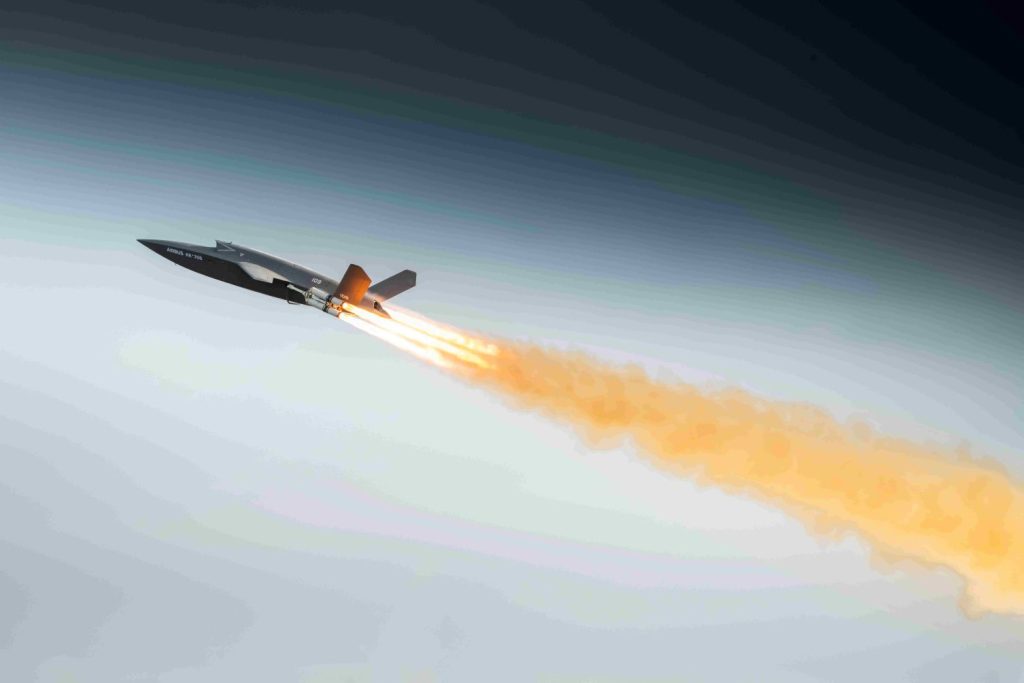
Airbus and Kratos have completed the first European flight of the U740 Valkyrie uncrewed combat aircraft, advancing plans to deliver an AI-enabled Collaborative Combat Aircraft for European armed forces by 2029.
Airbus and US defence technology company Kratos Defense & Security Solutions have completed the first European flight of the U740 Valkyrie uncrewed combat aircraft, advancing a joint programme aimed at delivering a combat-ready autonomous aircraft for Germany and other European armed forces by 2029.
The flight, conducted at a test facility in Northern Europe, demonstrated the aircraft’s ability to take off with rocket assistance, manoeuvre at different altitudes and speeds of up to Mach 0.8, and respond to mission changes while airborne.
The milestone brings the two companies closer to developing a Collaborative Combat Aircraft (CCA), a category of uncrewed platforms designed to operate alongside conventional fighter jets, extending their operational reach while reducing the exposure of pilots to high-risk missions.
The programme combines Kratos’ Valkyrie airframe with Airbus’ Multi-platform Autonomous Reconfigurable and Secure (MARS) mission system, which is intended to provide the aircraft’s software, mission-management and autonomous operating capabilities.
Airbus says the program’s central objective is to give Germany and other European customers control over the technology underpinning their aircraft, including software, mission applications, data and system hardware. The arrangement is intended to reduce dependence on foreign-controlled systems as European governments seek greater defence-industrial and operational autonomy.
Airbus Defence and Space chief executive Mike Schoellhorn said the partnership would address the need for affordable combat aircraft capacity in an increasingly contested security environment.
He said the Valkyrie could strengthen crewed aircraft such as the Eurofighter by extending their reach, adding firepower and improving survivability.
The aircraft is designed to operate autonomously or under the direction of a crewed fighter, allowing pilots to command uncrewed platforms during missions without necessarily exposing additional aircrew to hostile air defences.
The MARS system uses artificial intelligence-enhanced software to execute missions autonomously and coordinate groups of aircraft. Airbus says a human-supervision hierarchy will retain oversight of critical decisions to ensure compliance with applicable rules of engagement and legal and ethical standards.
The first flight is expected to be followed by more advanced trials integrating the MARS system, moving the programme beyond basic flight performance towards autonomous mission execution and coordination.
Kratos chief executive Eric DeMarco said the flight benefited from the maturity of the Valkyrie platform and the integration of the two companies’ engineering teams. The partnership builds on Kratos’ experience in developing and manufacturing uncrewed aircraft, combined with Airbus’ aerospace systems and defence capabilities.
The U740 Valkyrie is 9.1 metres long, with an 8.2-metre wingspan and a maximum take-off weight of approximately three tonnes. It has an advertised range exceeding 5,000 kilometres and a service ceiling of 45,000 feet.
Its configuration includes an internal weapons bay and external payload stations beneath the wings. The design also provides for rail-launch operations as well as conventional runway take-off and landing, offering different deployment options depending on operational requirements.
These characteristics place the Valkyrie within a growing effort to develop uncrewed aircraft that can complement rather than simply replace conventional combat jets. Such systems could undertake missions involving substantial operational risk, carry additional weapons or sensors, and provide commanders with more aircraft available for a given deployment.
For European defence planners, the programme also addresses a broader industrial question of how to field autonomous combat systems while retaining national or regional control over the software and mission data that determine how they operate.
The 2029 target will depend on the outcome of subsequent flight tests, integration of the autonomous mission system and the work required to bring the platform to operational readiness. The successful European debut marks a significant step, but further testing will be needed to establish how the aircraft performs in complex mission scenarios and alongside crewed fighters.
If the programme meets its target, the Valkyrie could become part of a new generation of air-combat systems in which pilots command networks of crewed and uncrewed aircraft, expanding combat capacity while changing how air forces organise and execute missions.
Related Posts
 Africa Faces Gunboat Diplomacy Without the Gunboats
 Africa Moves to Implement ‘Correct the Map’ Resolution as Equal Earth Cartographers Pledge Support
 13 Feared Killed as Tracep Aviation L-410 Crashes in DRC
 Frankfurt Airport Malaria Outbreak Raises Questions Over Aviation-Related Health Risks
 Nairobi’s 2029 World Athletics Win Draws Doping Scrutiny in UK Media
 COMESA Competition Agency reopens Tender for Lilongwe HQ Complex
Get business news delivered to you everyday
Latest News

Nawangwe Urges Architects to Document Uganda’s Built Heritage

Stanbic installs solar power system at Mbale School for the Deaf

NWSC Seeks Grundfos Partnership to Manufacture Pumps, Spare Parts in Uganda

Airbus-Kratos Valkyrie Unmanned Combat Aircraft Completes First Flight Ahead of 2029 Combat Target

Uganda to Host 2027 Global Water Congress as NWSC Targets Better Services

Lt Gen Frederick Alexander Okecho: The Gallant Soldier Who Knew When to be Still

Uganda’s Oil Refinery Still Makes Sense in a USD500 Billion Economy

Equity Bank Uganda Honours 80 Customers for Loyalty, Business Growth

African Leopards Have Lost 41pc of Their Historical Range as New Study Finds Population May be as Low as 80,000

African Aviation Leaders Demand Action on Costs, Safety and Connectivity