
Qatar bank gets nod to seize South Sudan assets to recover $1 billion
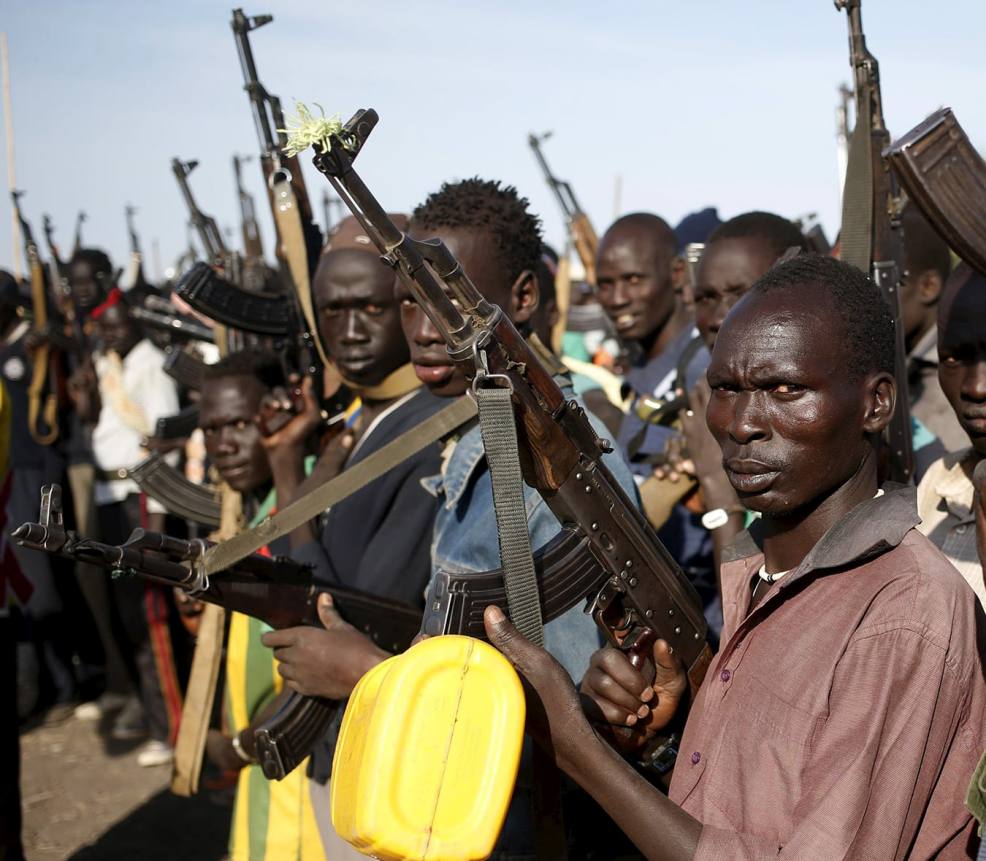 Even though South Sudan was dealing with the aftermath of a civil war, the tribunal, sitting in New York City, held that such circumstances do not excuse non-performance under a binding international financial contract.
South Sudan government assets in and outside the country, are now vulnerable to seizure, after an arbitration tribunal sitting in New York City recently ruled in favour of the Qatar National Bank (QNB) to recover a total of $1 billion in loans. As of March 31, 2025, the Doha-based QNB Group reported total assets of $364 billion compared to Sudan Sudan’s current GDP of about $7 billion.
In December 2013, civil war broke out triggered by a political power struggle between President Salva Kiir and his former Vice President Riek Machar, with Kiir accusing Machar of a coup attempt. The initial fighting in Juba quickly spread across the country, fueled by pre-existing ethnic tensions between the Dinka and Nuer communities until a peace deal was signed in 2018.
It was during this interlude that the South Sudan government first entered into a loan agreement with QNB. This agreement included an initial credit facility of $150 million, intended to finance the importation of essential goods like fuel and medicine into South Sudan. The total loan facilities provided under the 2018 agreement amounted to approximately $700 million, with South Sudan drawing down nearly $660 million in early 2019.
According to Sentry, an investigative and policy organization, the credit line—issued in US dollars in the form of letters of credit—was intended to help local traders pay for these imports, considering the extreme shortage of hard currency and the weakness of the new local pound.
The government was supposed to allocate the LCs to traders, who could exchange South Sudanese pounds (SSP) at the then-official exchange rate of 3.16 SSP per dollar. Traders would then use the LCs—essentially a guarantee from the bank—to pay the exporter upon confirmation of delivery of the needed goods.
The Sentry produces investigative reports and dossiers on individuals and entities connected to grand corruption and violence. The Sentry’s three-year investigation into the LCs program found that multimillion-dollar contracts were awarded to foreign-run companies, companies that only existed on paper, and inexperienced middlemen.
Businesses with connections to the ruling class—including President Salva Kiir’s family, the then-governor of the central bank, Kornelio Koriom, and multiple military officials—were among those that received contracts collectively worth tens of millions of dollars under the program, according to official documents reviewed in connection with this investigation.
The Sentry report states millions of dollars’ worth of essential pharmaceuticals, fuel, and food were not delivered. The government failed to repay the borrowed money and entered arbitration proceedings initiated by QNB at the International Center for Settlement of Investment Disputes (ICSID).
The core basis for this tribunal having jurisdiction stemmed from the facility agreement from 2018, which included an ICSID arbitration clause. According to the ICSID, QNB filed for arbitration on October 6, 2020, alleging mismanagement and breach of repayment under the agreement. In arbitration, QNB requested over $366 million, comprised of full repayment of the outstanding principal, interest payments, management fees, and costs of litigation.
The respondents asked the tribunal to award them the costs of proceedings, arguing that QNB has created an investment dispute out of a term loan facility dispute. The respondents did not submit some of the later requested documents, leaving the tribunal with claimants’ effectively uncontested evidence. The tribunal ruled that it had jurisdiction, the respondents were in breach, and that economic turmoil was not a defence for that breach.
In its September 2025 ruling, the tribunal stated that the respondents failed to fulfill their core contractual obligations, including repayment of the principal, interest, and management fees. According to the facility agreement, South Sudan and the Bank of South Sudan were jointly and severally responsible for repayment under clearly stipulated timelines and conditions. When these payments became due, QNB issued notices and demands for payment, none of which were met with compliance or communication from the respondents.
The tribunal decided that nonpayment of the debt obligations under the facility agreement constituted a clear breach. The tribunal emphasized that no valid legal justification had been presented by the respondents, nor was any sufficient defence raised at any stage of the proceedings. Even though South Sudan was dealing with the aftermath of a civil war, the tribunal held that such circumstances do not excuse non-performance under a binding international financial contract.
The tribunal award also has precedent-setting implications. By confirming joint and several liability, the tribunal effectively removed the possibility of either respondent deflecting responsibility onto the other. This structure ensures that QNB can pursue enforcement wherever assets may be located, increasing the likelihood of eventual recovery.
Related Posts
 Stanbic Seeks Northern Uganda Business Feedback as It Marks 35 Years in Country
 Stanbic experts offer investment insights to navigate current market uncertainty
 Equity Bank Urges Diaspora Ugandans to Turn Remittances into Investments
 Equity Bank Targets Uganda’s Artisanal Miners as Financing Gap Limits Mining Growth
 Why Unlocking Africa’s Next Mining Powerhouse Requires Strong Financial Partnerships
 Equity Trade Mission Puts Uganda’s Manufacturing Capacity to Regional Test
Get business news delivered to you everyday
Latest News

China’s GPMI Interface Leapfrogs HDMI, USB With 192Gbps Speeds and 480W Power

Stanbic Seeks Northern Uganda Business Feedback as It Marks 35 Years in Country

Uganda Emerges as Africa’s Largest Organic Farming Country as Exports Reach USD225 Million

SITA Acquisition of Collins Airport Solutions Signals Moves to Consolidate Aviation Technology

Uganda Coffee Roasters Tap Richard Rugaya as Executive Director, with Focus on Commercial Growth

Equity Bank Reports UGX37.6 Billion in Green Loans as Uganda Seeks to Scale Climate Investment

Why Africa’s Institutions Must Turn Knowledge and Investment into Farmer Prosperity

Forbes ranks MTN Group third globally on best telecom employer list

Stanbic experts offer investment insights to navigate current market uncertainty

Africa Carbon Markets Urged to Turn Potential into Investment and Delivery