

Civil society warns Uganda’s 2026/27 tax plan may deepen inequality, slow key sectors
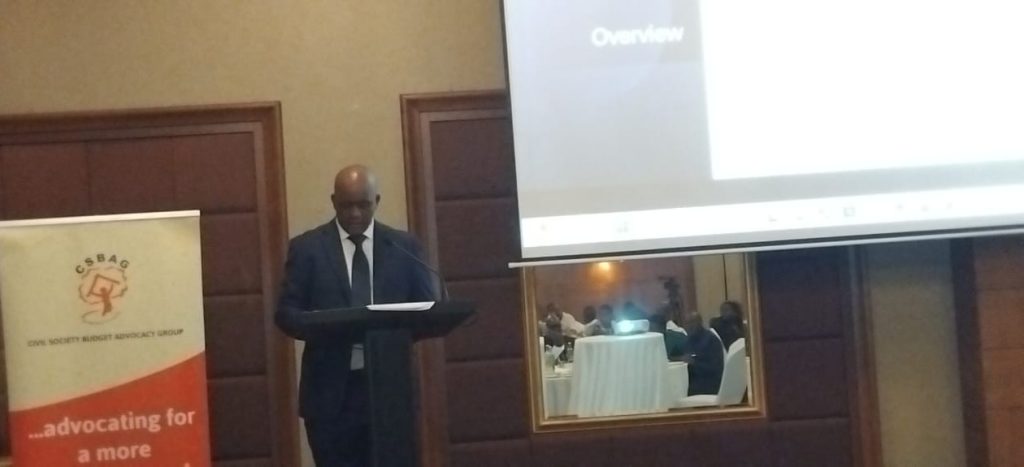
Civil society groups warn Uganda’s 2026/27 tax proposals could raise living costs and slow key sectors, despite gains from higher PAYE thresholds.
Civil society organisations have raised concerns over Uganda’s proposed tax measures for the 2026/27 financial year, warning that an overreliance on indirect taxes could raise the cost of living, slow economic activity, and disproportionately affect low-income households.
Presenting their analysis at a breakfast meeting in Kampala on April 10, stakeholders under the Civil Society Budget Advocacy Group (CSBAG) said while some proposals improve fairness, others risk undermining gains by increasing pressure on consumers and key sectors of the economy.
CSBAG welcomed the government’s proposal to raise the Pay As You Earn (PAYE) threshold from UGX 235,000 to UGX 335,000 per month, noting that it would increase disposable income for low-wage earners and make the tax system more equitable. However, the group argued that these gains could be offset by higher indirect taxes on essential goods and services.
Among the most contentious proposals is the increase in excise duty on sugar from UGX 100 to UGX 300 per kilogram, alongside a UGX 200 per litre hike on petrol and diesel. Civil society actors warn that these adjustments will likely cascade through the economy, raising transport costs and pushing up prices of basic commodities.
The planned doubling of excise duty on cement—from UGX 500 to UGX 1,000 per 50kg bag—has also drawn criticism, with CSBAG cautioning that it could further strain Uganda’s already constrained housing sector. Rising construction costs, they argue, could slow down building activity and worsen housing affordability.
Similarly, the proposal to increase the surcharge on imported second-hand clothes to 30 percent is seen as potentially disruptive. While intended to support domestic textile manufacturing, CSOs warn that the move could shrink supply in a market still heavily dependent on imports, leading to higher prices before local production capacity can fill the gap.
On the digital economy front, civil society groups expressed support for the introduction of a uniform 0.25 percent levy on cash withdrawals across the financial system. This would effectively reduce the current 0.5 percent charge on mobile money transactions while broadening the tax base to include other platforms.
They argue that although the lower rate may reduce revenue in the short term, expanding the tax net could drive long-term gains, with transaction values projected to double over the medium term. However, they stressed that this reform should be complemented by removing import duties on entry-level smartphones to accelerate digital inclusion and economic activity.
CSBAG Executive Director Julius Mukunda criticised the broader tax strategy for focusing on increasing rates within an already narrow tax base instead of significantly expanding it.
Civil society organisations further warned that continued tax exemptions in some sectors undermine revenue mobilisation efforts, effectively shifting the burden onto ordinary taxpayers. At the same time, they noted that targeted “sin taxes” and improved enforcement could boost revenue while supporting public health objectives if carefully implemented.
Ultimately, the groups say the central challenge for policymakers is balancing revenue mobilisation with fairness and economic growth. Without adequate safeguards, they caution, the current proposals risk widening inequality and slowing Uganda’s post-pandemic recovery.
“The key question is whether Uganda can balance revenue collection with fairness and economic growth?” Mukunda observed. “A more sustainable path may lie in widening the tax base, improving compliance, and protecting low-income households.”
Related Posts
 Energy Ministry and Equity Bank target lower hotel energy costs through green investment initiative
 Aviation Industry Coalition Presses EU to Protect Voluntary use of Biometric Travel Technology
 Somalia Recognises IATA Safety Audits in Push for Common African Aviation Standards
 Stanbic Donates UGX40 Million in Maternal Health Equipment to Obongi Facility
 Airlink Adds Lanseria–Harare Route, Expands Regional Flights for Summer
 Uganda SGR Nears €1bn Funding Milestone as OPEC Fund Targets November Approval for €150m
Get business news delivered to you everyday
Latest News

Energy Ministry and Equity Bank target lower hotel energy costs through green investment initiative

FAA Certifies Boeing 737-10, Clearing Path for Deliveries of Largest 737 MAX Variant

Aviation Industry Coalition Presses EU to Protect Voluntary use of Biometric Travel Technology

Somalia Recognises IATA Safety Audits in Push for Common African Aviation Standards

Stanbic Donates UGX40 Million in Maternal Health Equipment to Obongi Facility

Airlink Adds Lanseria–Harare Route, Expands Regional Flights for Summer

Solar Power Linked to More Births and Better Patient Access at Rural Ugandan Clinics

China’s GPMI Interface Leapfrogs HDMI, USB With 192Gbps Speeds and 480W Power

Stanbic Seeks Northern Uganda Business Feedback as It Marks 35 Years in Country

Uganda Emerges as Africa’s Largest Organic Farming Country as Exports Reach USD225 Million