

COMESA warns on recalled infant milk as contaminated batches remain within shelf life
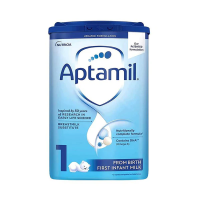
The COMESA Competition and Consumer Commission warns that recalled infant milk products linked to cereulide contamination remain within expiry dates extending into 2027, raising the risk of continued circulation across regional markets.
The COMESA Competition and Consumer Commission has issued a public warning over multiple brands of infant milk recalled across Africa and beyond, cautioning that several affected batches remain within their expiry dates and could still be in circulation.
In a notice dated April 8, the Steven Kamukama, the Director Consumer Welfare and Advocacy at the Commission said products manufactured under the Aptamil and Nursie brands may contain cereulide, a toxin that can cause nausea, vomiting and abdominal cramps when consumed at elevated levels.
The recall affects products linked to Danone and its subsidiary Nutricia, with distribution spanning multiple markets, including Southern and North Africa.
Among the flagged products are Nutricia Aptamil Nutribiotik 2 (800g) and Aptajunior Nutribiotik 3 (800g), with expiry dates extending to September and December 2026. These products were distributed in South Africa from August 2025 and exported to neighbouring Botswana and Namibia.
The Commission also cited a separate alert issued by Morocco’s National Office for Food Safety, covering a wider range of Aptamil and Nursie-branded infant milk products in both 400g and 900g packaging.
Notably, several of the affected batches have expiry dates stretching well into 2027, raising the risk that contaminated products could remain on retail shelves or in household use for months.
For instance, some Aptamil Premium+ variants carry expiry dates as late as May 2027, while Nursie Comfort products extend to April 2027. Other batches fall within mid-to-late 2026, including July, October and December expiries across different product lines.
The Commission said the presence of cereulide—typically associated with bacterial contamination—poses a particular risk for infants, who are more vulnerable to foodborne toxins.
While recalls have been initiated in several jurisdictions, including South Africa and Morocco, the regional body warned that products may still be circulating within the Common Market for Eastern and Southern Africa (COMESA), which spans 21 member states.
Distribution channels identified include major retail and supply networks in countries such as Mauritius, Egypt and Tunisia, with multiple distributors involved.
The regulator urged consumers to exercise caution, particularly by checking batch numbers and expiry dates before purchasing or using infant milk products. It also called on the public and businesses to report any suspected availability of recalled products to national consumer protection authorities.
The alert follows earlier recalls in Europe in January 2026, where similar products were withdrawn after tests confirmed the presence of the same toxin, underscoring the cross-border nature of food safety risks.
Under COMESA’s consumer protection regulations, member states are expected to coordinate responses to such incidents, including product withdrawals, public notifications and consumer redress mechanisms.
The Commission said it was working with national authorities to ensure affected consumers are informed and that appropriate action is taken against non-compliant products in the market.
For consumers, however, the key concern remains immediate because several of the recalled products have not yet expired, meaning vigilance will be required in the coming months to prevent potential health risks.
The warning is the latest reminder of the challenges regulators face in tracking and removing unsafe products across fragmented regional markets, particularly where supply chains span multiple countries and oversight systems vary.
Related Posts
 Uganda Returnees Look to Rebuild Livelihoods as Government Pledges UGX2bn
 ERAM Award puts Uganda’s Animal-Health Manufacturing Ambitions in Focus
 Why Community-Led Climate Action Is Essential to Building Climate Resilience
 Agroecology Week Targets Stronger links Between Farmers, Policy and Markets
 Stanbic Commits UGX20m to Virunga Gorilla Marathon’s Conservation Drive
 Energy Ministry and Equity Bank target lower hotel energy costs through green investment initiative
Get business news delivered to you everyday
Latest News

Uganda Returnees Look to Rebuild Livelihoods as Government Pledges UGX2bn

Beyond Gold Exports, Uganda’s Next Test Is Economic Transformation

ERAM Award puts Uganda’s Animal-Health Manufacturing Ambitions in Focus

Why Community-Led Climate Action Is Essential to Building Climate Resilience

Agroecology Week Targets Stronger links Between Farmers, Policy and Markets

Stanbic Commits UGX20m to Virunga Gorilla Marathon’s Conservation Drive

FAA Certifies Boeing 737-10, Clearing Path for Deliveries of Largest 737 MAX Variant

Aviation Industry Coalition Presses EU to Protect Voluntary use of Biometric Travel Technology

Somalia Recognises IATA Safety Audits in Push for Common African Aviation Standards

Stanbic Donates UGX40 Million in Maternal Health Equipment to Obongi Facility