

Stanbic pushes deeper into digital banking with faster onboarding and credit access
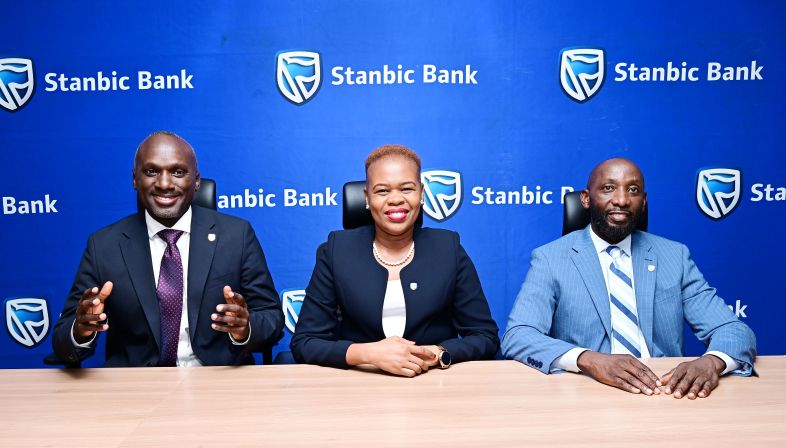
Stanbic Bank Uganda is accelerating its shift to digital banking, targeting faster account opening, seamless transactions and quicker access to credit as competition in financial services intensifies.
Stanbic Bank Uganda is stepping up its digital banking strategy, rolling out new capabilities aimed at reducing friction in account opening, transactions and access to credit as lenders compete for a growing base of mobile-first customers.
The bank’s latest push dubbed “Kikole Ku Speedii,”centres on simplifying onboarding and moving more services onto digital platforms, allowing customers to open accounts within minutes using a national ID and access a wider range of banking services remotely. The shift reflects a broader industry trend in Uganda and across Africa, where financial institutions are retooling operations to meet rising demand for convenience, speed and lower-cost service delivery.
A key focus is improving access to credit. Under the new model, customers can apply for and receive loans of up to UGX 350 million through digital channels, significantly reducing turnaround times compared to traditional branch-based processes. The bank is also introducing smaller, short-term facilities, including interest-free loans of up to UGX 5 million for new digital users, in a bid to drive adoption.
The changes are designed to address persistent bottlenecks in banking, including paperwork-heavy processes, long queues and delays in service delivery. By digitising routine transactions, the bank aims to shift customer interactions away from branches and toward self-service platforms.
Digital functionality is also being expanded beyond core transactions. Customers can now access services such as bank statements and official documents instantly through mobile platforms, reflecting a growing convergence between banking and everyday administrative services.
At the same time, the bank is maintaining a hybrid model for higher-value clients, combining digital tools with personalised support. This approach mirrors a wider industry strategy, where banks are balancing automation with relationship-driven services for affluent and corporate customers.
Physical infrastructure is also being reconfigured to support the transition. Stanbic is rolling out self-service machines across its network, enabling deposits, withdrawals, foreign exchange transactions and other services without the need for teller assistance. The move is expected to reduce pressure on branches while improving turnaround times for routine transactions.
The shift comes as Uganda’s banking sector faces increasing pressure to deepen financial inclusion while managing costs. Digital channels offer a pathway to reach underserved segments—including women, youth and small businesses—by lowering barriers to entry and reducing the cost-of-service delivery.
More broadly, the strategy aligns with efforts to support economic expansion by improving access to financial services. Faster onboarding and credit access are seen as critical enablers for entrepreneurship, small business growth and household financial resilience.
As competition intensifies, banks are increasingly differentiating themselves on user experience rather than product range alone. For Stanbic, the focus on speed, simplicity and accessibility signals a transition from traditional banking models toward a more platform-driven, customer-centric approach.
Related Posts
 Stanbic Seeks Northern Uganda Business Feedback as It Marks 35 Years in Country
 SITA Acquisition of Collins Airport Solutions Signals Moves to Consolidate Aviation Technology
 Uganda Coffee Roasters Tap Richard Rugaya as Executive Director, with Focus on Commercial Growth
 Equity Bank Reports UGX37.6 Billion in Green Loans as Uganda Seeks to Scale Climate Investment
 Nile Breweries Celebrates 75 Years of Growing with Uganda
 Stanbic installs solar power system at Mbale School for the Deaf
Get business news delivered to you everyday
Latest News

Stanbic Seeks Northern Uganda Business Feedback as It Marks 35 Years in Country

Uganda Emerges as Africa’s Largest Organic Farming Country as Exports Reach USD225 Million

SITA Acquisition of Collins Airport Solutions Signals Moves to Consolidate Aviation Technology

Uganda Coffee Roasters Tap Richard Rugaya as Executive Director, with Focus on Commercial Growth

Equity Bank Reports UGX37.6 Billion in Green Loans as Uganda Seeks to Scale Climate Investment

Why Africa’s Institutions Must Turn Knowledge and Investment into Farmer Prosperity

Forbes ranks MTN Group third globally on best telecom employer list

Stanbic experts offer investment insights to navigate current market uncertainty

Africa Carbon Markets Urged to Turn Potential into Investment and Delivery

Bank of Uganda hikes base rate from 9.75% to 12% amidst global tensions