

PayPal expands digital dollar to Africa in boost for Uganda’s cross-border trade
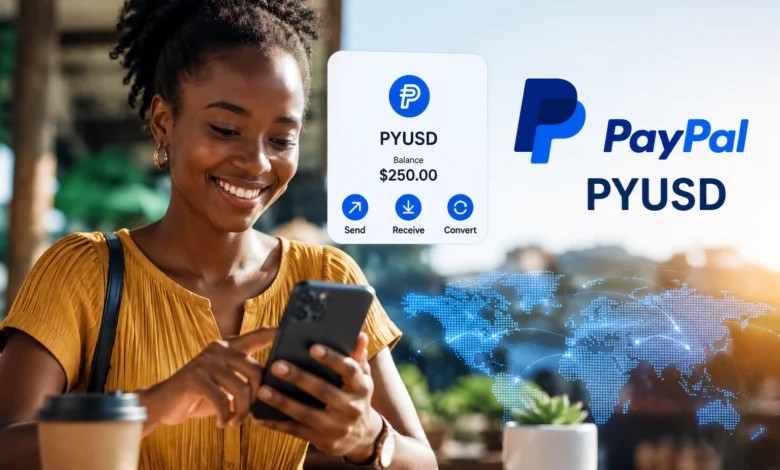
PayPal has rolled out its PYUSD digital dollar stablecoin across 70 global markets, a move expected to help Ugandan businesses, freelancers and online entrepreneurs receive international payments faster and at lower cost.
Global payments company PayPal is betting big on Africa’s digital economy after expanding access to its digital dollar stablecoin, PayPal USD (PYUSD), to users across 70 global markets, a move expected to reshape how African businesses receive and move money internationally.
The expansion, announced from San Jose, California on May 26, positions Africa among the company’s strategic growth frontiers as demand rises for faster, cheaper and more reliable cross-border payment systems.
For Ugandan businesses, freelancers and online entrepreneurs, the development could ease one of the longest-standing frustrations in digital commerce: getting paid on time.
From software developers and remote workers to coffee exporters, online traders and creative professionals, many Ugandans operating in global markets have traditionally faced delayed settlements, high bank charges and costly currency conversion fees when receiving international payments.
The introduction of PYUSD now allows users to buy, hold, send and receive digital dollars directly through PayPal accounts, significantly reducing settlement times that often stretch from several days to weeks under conventional banking systems.
The company says the rollout is designed to modernise an international payments system that many businesses increasingly view as outdated and inefficient in an era of real-time digital commerce.
According to May Zabaneh, the current global financial infrastructure no longer reflects the speed at which modern businesses operate.
“Consumers and businesses around the world are looking for faster, more seamless ways to transact globally and the current system still charges too much, takes too long, and settles on timelines that were designed for a different era,” Zabaneh said during the announcement.
She added that expanding PYUSD access would help consumers access funds faster while lowering the cost of transferring money across borders.
Africa featured prominently in PayPal’s expansion strategy, with company executives describing the continent as one of the world’s fastest-growing digital commerce markets.
Otto Williams said the rollout is intended to support businesses driving growth across African economies.
“Bringing PYUSD to Africa is about delivering tangible value to the people and businesses driving growth in these dynamic markets,” Williams said.
“Consumers gain a flexible, stable way to move funds faster, while businesses can streamline cross-border payments, improve settlement times, and unlock new opportunities for growth.”
The move comes as Uganda’s digital economy continues to expand rapidly, driven by rising internet penetration, mobile money adoption and a growing number of young people working remotely for international clients.
Industry analysts say stablecoins are becoming increasingly attractive because they combine the speed and flexibility of blockchain technology with the stability of traditional currencies such as the US dollar.
Unlike volatile cryptocurrencies like Bitcoin, PYUSD is fully backed by U.S. dollar deposits, Treasury securities and cash equivalents. The stablecoin is issued by Paxos Trust Company under U.S. financial regulations.
For Uganda’s growing freelance workforce, the development could provide quicker access to overseas earnings at a time when digital labour exports are becoming an increasingly important source of income for young professionals.
Technology startups, tourism operators, agribusiness exporters and e-commerce traders are also expected to benefit from lower transaction costs and faster international settlements.
Financial technology experts believe the rollout reflects growing international confidence in Africa’s digital payments future as global firms increasingly position themselves around the continent’s expanding online economy.
The expansion also highlights the broader shift underway in global finance, where digital assets and blockchain-based payment systems are gradually moving from speculative investments into mainstream commercial infrastructure.
Related Posts
 Uganda Coffee Roasters Tap Richard Rugaya as Executive Director, with Focus on Commercial Growth
 Equity Bank Reports UGX37.6 Billion in Green Loans as Uganda Seeks to Scale Climate Investment
 Why Africa’s Institutions Must Turn Knowledge and Investment into Farmer Prosperity
 Stanbic experts offer investment insights to navigate current market uncertainty
 Africa Carbon Markets Urged to Turn Potential into Investment and Delivery
 Corporate Buyers Could Help Unlock SAF Market Worth Millions of Tonnes by 2030
Get business news delivered to you everyday
Latest News

Uganda Coffee Roasters Tap Richard Rugaya as Executive Director, with Focus on Commercial Growth

Equity Bank Reports UGX37.6 Billion in Green Loans as Uganda Seeks to Scale Climate Investment

Why Africa’s Institutions Must Turn Knowledge and Investment into Farmer Prosperity

Forbes ranks MTN Group third globally on best telecom employer list

Stanbic experts offer investment insights to navigate current market uncertainty

Africa Carbon Markets Urged to Turn Potential into Investment and Delivery

Bank of Uganda hikes base rate from 9.75% to 12% amidst global tensions

Airbus sees USD420bn Global Aviation Services Boom: Can Africa Capture its Share?

Nile Breweries Celebrates 75 Years of Growing with Uganda

Nawangwe Urges Architects to Document Uganda’s Built Heritage