
Financing Gap Hobbles Uganda’s Shift to Mercury-Free Gold Mining
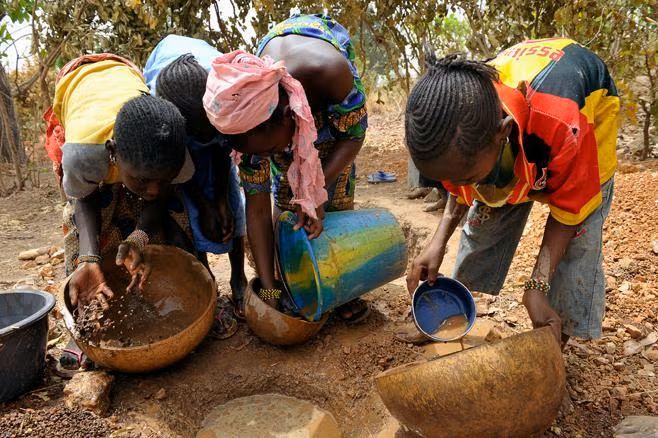
Limited access to affordable credit is keeping Uganda’s estimated 70,000 artisanal gold miners dependent on hazardous mercury-based processing, despite the availability of safer alternatives.
Limited access to affordable finance is slowing Uganda’s transition to mercury-free artisanal gold mining, leaving thousands of miners reliant on hazardous processing methods despite the availability of safer technologies.
Stakeholders at the planetGOLD Uganda Fourth Annual Stakeholders Meeting in Kampala said the high cost of acquiring processing equipment and upgrading mining operations was preventing small-scale miners from adopting alternatives to mercury, exposing workers and surrounding communities to health and environmental risks.
Uganda’s artisanal and small-scale gold mining sector supports an estimated 70,000 miners, many of whom depend on the activity for their livelihoods. However, widespread informality, inadequate equipment and limited access to credit continue to constrain efforts to improve productivity, safety and environmental compliance.
The financing challenge is particularly significant because the transition requires more than replacing mercury with alternative processing methods. Miners also need capital to acquire equipment, improve operations, develop commercially viable enterprises and formalise their businesses.
Bob Paul Lusembo, Equity Bank’s Head of Micro Business, said financing interventions needed to address the wider mining value chain rather than rely exclusively on conventional lending.
“If we are to ensure a safe and sustainable mining industry that contributes to the development of this country, we need to finance the entire value chain,” he said.
Lusembo called for financing to be accompanied by financial literacy, support for equipment acquisition and assistance to mining enterprises seeking to formalise their operations.
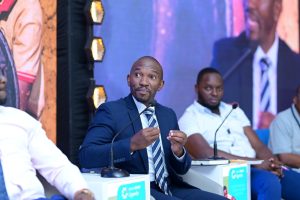
Bob Paul Lusembo, Head of Micro Business at Equity bank speaking during the planetGOLD Uganda Fourth Annual Stakeholders Meeting in Kampala
The meeting also heard personal accounts illustrating the consequences of continued mercury exposure, including testimony from a miner who reported long-term health effects associated with the substance.
Mercury can cause serious neurological damage and contaminate water sources and ecosystems. Its continued use presents a challenge to Uganda’s efforts to make small-scale mining safer and more environmentally sustainable. Uganda’s mining regulatory framework also prohibits its use.
Representing the National Environment Management Authority (NEMA), Dr John Ekure urged miners and other stakeholders to place human health and environmental protection ahead of short-term economic returns.
Magara Siraje, Extractive Industries Coordinator at Oxfam Uganda, said responsible mineral exploitation could contribute to export growth, but would require better access to financial services and technical support for small-scale operators.
The discussions pointed to a structural challenge in Uganda’s gold sector where mercury-free technologies offer a pathway towards safer production, but their adoption depends on whether miners operating largely outside formal financial systems can afford the transition.
Stakeholders called for closer collaboration between government agencies, financial institutions, development partners and mining communities, identifying access to finance and the formalisation of mining groups as critical to accelerating the shift.
Related Posts
 Equity’s MSME Financing Helps Fill the Missing Middle in Uganda’s Economy
 Commonwealth Study finds AI Could add USD900m to Uganda’s GDP by 2036
 Equity Group Reports UGX3.1 trillion in Sustainability Investments
 Emirates Group Defies Gulf Conflict to Deliver USD1.1bn Half-year Profit
 UDB Mobilises USD200m for Climate Finance Ahead of COP31
 Africa’s Leisure Spending Projected at USD150 Billion in 2026
Get business news delivered to you everyday
Latest News

Financing Gap Hobbles Uganda’s Shift to Mercury-Free Gold Mining

Equity’s MSME Financing Helps Fill the Missing Middle in Uganda’s Economy

Commonwealth Study finds AI Could add USD900m to Uganda’s GDP by 2036

Equity Group Reports UGX3.1 trillion in Sustainability Investments

Tumwebaze Urges Purpose-driven Approach as Uganda Targets Organic Food Markets

Emirates Group Defies Gulf Conflict to Deliver USD1.1bn Half-year Profit

UDB Mobilises USD200m for Climate Finance Ahead of COP31

€145 Million Lake Victoria Water Project Targets Greater Kampala’s Western Supply Gap

Uganda Cuts New HIV Infections by 64pc as Youth Remain a Prevention Priority

Behind the Surge in Equity Bank Uganda’s Bancassurance Portfolio