

Uganda’s e-mobility investment tops $175 million as EV production capacity surges
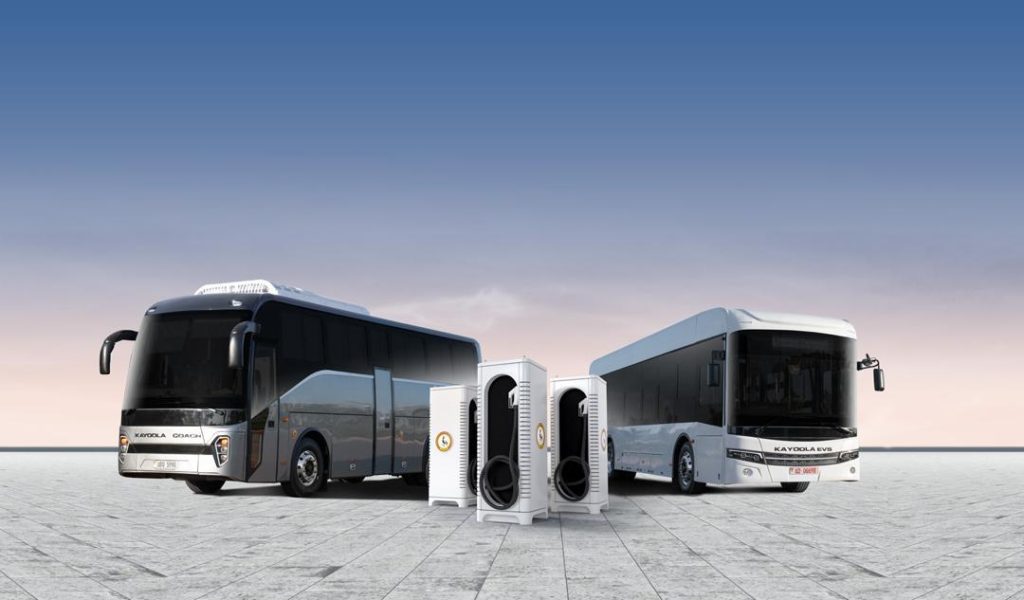
Uganda’s electric mobility industry is rapidly evolving from a pilot ecosystem into a scalable industrial sector, with fresh investment, rising local manufacturing capacity and expanding charging infrastructure positioning the country as an emerging regional EV hub.
Uganda’s electric mobility sector attracted an additional USD 15.6 million in investment in 2025, pushing cumulative investment in the industry to more than USD 175 million since 2018, according to the newly released E-Mobility Outlook Report 2025 prepared by the Mobility Bureau under the Science, Technology and Innovation Secretariat in the Office of the President.
The report paints a picture of a sector transitioning from experimentation to industrial scale, driven by heavy public investment, expanding local manufacturing and a rapidly growing battery-swapping network.
Government investment accounted for 68.6 percent of cumulative capital injected into the sector between 2018 and 2025, underlining the state’s central role in building foundational infrastructure and de-risking the industry for private investors.
The report noted that public funding has been critical in establishing industrial capacity, supporting innovation and creating conditions for commercial participation in Uganda’s emerging electric mobility ecosystem.
One of the sector’s biggest milestones in 2025 was the commissioning of the Kiira Vehicle Plant, which significantly boosted Uganda’s electric vehicle manufacturing capability.
According to the report, Uganda’s combined EV production capacity has now risen to approximately 79,000 units annually, marking a major leap in the country’s industrial ambitions.
More than 20,000 electric vehicles were produced locally during 2025, representing roughly 25 percent utilisation of installed manufacturing capacity.
Analysts say the figures indicate substantial room for growth as demand for electric mobility solutions expands across Uganda and the wider East African region.
The report also highlighted major progress in charging and battery-swapping infrastructure, particularly for electric motorcycles, which are increasingly becoming central to Uganda’s urban transport transition.
Uganda quadrupled its battery-swapping network during the year to more than 540 stations nationwide, achieving approximately 80 percent district coverage by the end of 2025.
The rapid rollout is expected to ease range anxiety, reduce charging downtime and accelerate adoption of electric boda bodas and commercial fleets.
The report further positioned Uganda as an emerging regional exporter of electric mobility technology following the successful completion of the “Made in Uganda Trans-Africa Electric Expedition.”
The expedition tested Ugandan-built electric vehicles across multiple African countries and validated the technology for continental deployment.
According to the report, the expedition directly contributed to securing a commercial order for 450 electric buses, strengthening Uganda’s positioning as a regional supplier of e-mobility solutions.
Employment within the sector also expanded sharply during the year.
Direct jobs in Uganda’s e-mobility industry surpassed 2,100 by the end of 2025, while indirect employment linked to manufacturing, logistics, charging infrastructure and maintenance exceeded 20,000 jobs.
The report said the sector’s growth is increasingly contributing to industrial skills development, technology transfer and youth employment.
Financial performance among leading players in the ecosystem also strengthened significantly.
Combined revenues generated by key e-mobility companies increased nearly six-fold from USD 5 million in 2024 to USD 29.7 million in 2025.
 Tax remittances by major industry players more than doubled over the same period, rising from UGX 11.7 billion to UGX 24.2 billion.
Officials say the figures demonstrate the growing commercial viability of Uganda’s electric mobility ecosystem and its potential contribution to domestic revenue mobilisation.
The report comes as governments across Africa intensify efforts to reduce fuel import dependence, cut urban pollution and transition toward cleaner transport systems.
Uganda has increasingly positioned electric mobility as part of a broader industrialisation and energy transition strategy anchored around local manufacturing, renewable energy and technology innovation.
Industry observers say the next phase of growth will likely depend on scaling private investment, expanding consumer financing options and strengthening regional export markets for locally manufactured electric vehicles and components.
Related Posts
 Uganda Coffee Roasters Tap Richard Rugaya as Executive Director, with Focus on Commercial Growth
 Why Africa’s Institutions Must Turn Knowledge and Investment into Farmer Prosperity
 Forbes ranks MTN Group third globally on best telecom employer list
 Stanbic experts offer investment insights to navigate current market uncertainty
 Africa Carbon Markets Urged to Turn Potential into Investment and Delivery
 Corporate Buyers Could Help Unlock SAF Market Worth Millions of Tonnes by 2030
Get business news delivered to you everyday
Latest News

Uganda Coffee Roasters Tap Richard Rugaya as Executive Director, with Focus on Commercial Growth

Equity Bank Reports UGX37.6 Billion in Green Loans as Uganda Seeks to Scale Climate Investment

Why Africa’s Institutions Must Turn Knowledge and Investment into Farmer Prosperity

Forbes ranks MTN Group third globally on best telecom employer list

Stanbic experts offer investment insights to navigate current market uncertainty

Africa Carbon Markets Urged to Turn Potential into Investment and Delivery

Bank of Uganda hikes base rate from 9.75% to 12% amidst global tensions

Airbus sees USD420bn Global Aviation Services Boom: Can Africa Capture its Share?

Nile Breweries Celebrates 75 Years of Growing with Uganda

Nawangwe Urges Architects to Document Uganda’s Built Heritage