

Why Eng. David Luyimbazi’s Name Is Surfacing in Discussions About the Ministry of Works’ Top Administrative Job
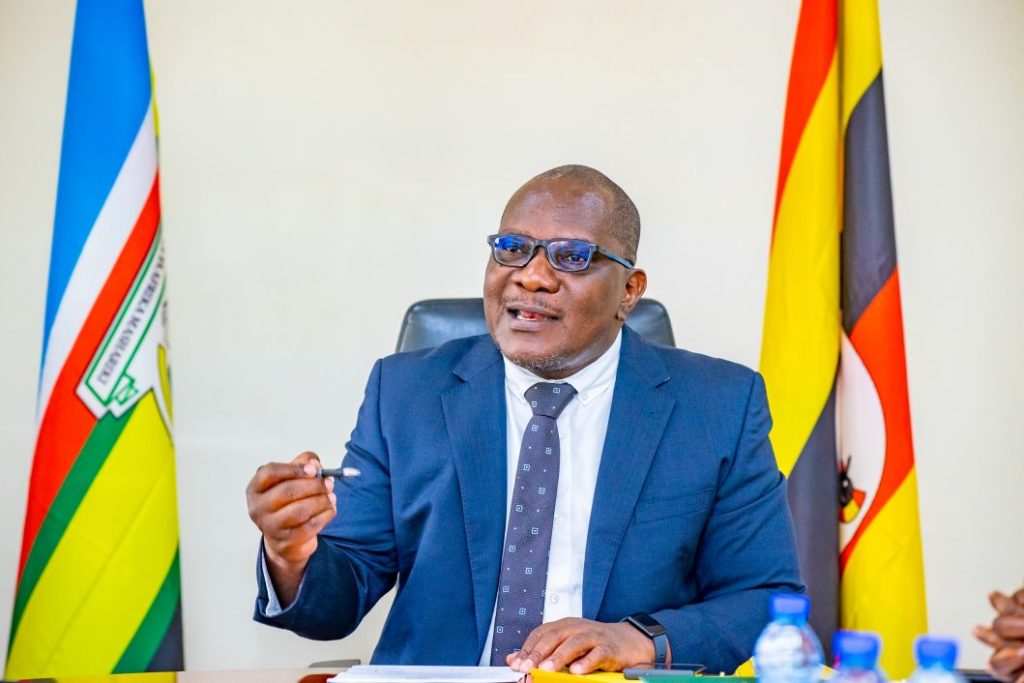
As discussions continue over leadership at the Ministry of Works and Transport, Eng. David Ssali Luyimbazi’s extensive experience across Uganda’s infrastructure institutions has placed him among the technocrats whose names are being mentioned for the ministry’s top administrative role.
As President Yoweri Museveni begins implementing his new administration’s “Kisanja No More Sleep” agenda, attention is increasingly turning to the senior technocrats expected to oversee delivery of Uganda’s ambitious infrastructure programme.
Although no appointment has been announced for the position of Permanent Secretary at the Ministry of Works and Transport, one name that continues to feature in conversations within engineering, infrastructure and public administration circles is that of Eng. David Ssali Luyimbazi.
A career engineer with more than three decades of experience in public service, Luyimbazi has served in senior positions at the Ministry of Works, the Uganda National Roads Authority (UNRA) and Kampala Capital City Authority (KCCA), where he has been involved in transport planning, institutional reform and urban development.
His supporters point to several factors that explain why his name continues to attract attention whenever leadership of Uganda’s infrastructure sector is discussed.
Luyimbazi’s career spans nearly every major institution responsible for Uganda’s transport infrastructure. At UNRA, he served as Director of Planning during a period of significant expansion of the national road network. He later joined KCCA as Deputy Executive Director, where his portfolio extended beyond roads to include drainage, city planning, revenue modernisation and climate resilience initiatives.
This breadth of experience has given him exposure to both national and urban infrastructure challenges.
Beyond project implementation, Luyimbazi has contributed to development of planning frameworks that continue to guide Uganda’s transport sector.
Among the initiatives associated with his work are long-term road sector development programmes, transport planning frameworks, road asset management systems and monitoring mechanisms intended to improve project prioritisation and implementation.
Infrastructure specialists argue that such institutional systems often have a longer-lasting impact than individual projects.
Luyimbazi combines engineering experience with postgraduate training from the University of Birmingham and the University of Oxford, alongside professional development in infrastructure finance, procurement, transport planning and public-private partnerships.
His work has included engagement with international development partners on financing large infrastructure programmes, experience considered increasingly important as Uganda expands investment in roads, rail, bridges and logistics infrastructure.
His tenure at KCCA broadened his experience beyond highway development into urban management.
The authority’s programmes covered road construction, drainage improvement, environmental resilience, digital governance and metropolitan planning, reflecting the growing integration between transport infrastructure and urban development.
As Uganda continues to urbanise, policymakers increasingly view transport planning as part of a wider economic development agenda rather than a standalone engineering function.
Within engineering circles, Luyimbazi is frequently described as a career technocrat with experience in planning, project management and institutional development.
Former colleagues credit him with supporting reforms aimed at strengthening planning systems, procurement processes and programme management, although appointments to senior government positions ultimately remain the prerogative of the appointing authority.
Government has not formally announced any appointment to the Ministry of Works and Transport’s top administrative position, and there has been no official indication of who may ultimately be selected.
Nevertheless, as discussions continue around the leadership required to implement Uganda’s next phase of infrastructure development, Luyimbazi’s experience across the Ministry of Works, UNRA and KCCA has ensured his name remains part of the conversation among sector stakeholders.
Whether that translates into an appointment remains a matter for President Museveni and the relevant appointing authorities.
Related Posts
 Uganda Coffee Roasters Tap Richard Rugaya as Executive Director, with Focus on Commercial Growth
 Why Africa’s Institutions Must Turn Knowledge and Investment into Farmer Prosperity
 Forbes ranks MTN Group third globally on best telecom employer list
 Stanbic experts offer investment insights to navigate current market uncertainty
 Africa Carbon Markets Urged to Turn Potential into Investment and Delivery
 Corporate Buyers Could Help Unlock SAF Market Worth Millions of Tonnes by 2030
Get business news delivered to you everyday
Latest News

SITA Acquisition of Collins Airport Solutions Signals Moves to Consolidate Aviation Technology

Uganda Coffee Roasters Tap Richard Rugaya as Executive Director, with Focus on Commercial Growth

Equity Bank Reports UGX37.6 Billion in Green Loans as Uganda Seeks to Scale Climate Investment

Why Africa’s Institutions Must Turn Knowledge and Investment into Farmer Prosperity

Forbes ranks MTN Group third globally on best telecom employer list

Stanbic experts offer investment insights to navigate current market uncertainty

Africa Carbon Markets Urged to Turn Potential into Investment and Delivery

Bank of Uganda hikes base rate from 9.75% to 12% amidst global tensions

Airbus sees USD420bn Global Aviation Services Boom: Can Africa Capture its Share?

Nile Breweries Celebrates 75 Years of Growing with Uganda