

Rwanda Follows Uganda in Cutting Kenyan Middlemen from Fuel Supply Chain
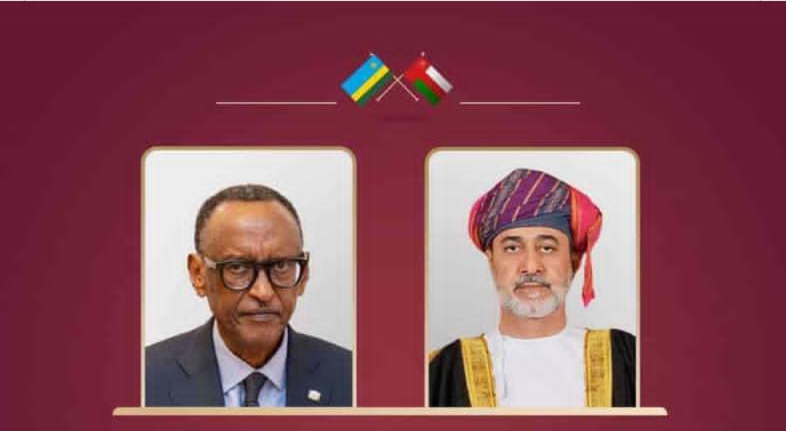
Rwanda will begin importing fuel directly from Oman under a government-to-government agreement, becoming the second East African nation after Uganda to bypass Kenyan oil marketers in a strategic shift aimed at improving energy security and stabilising fuel prices.
Rwanda has become the latest East African country to bypass Kenyan oil marketers in a move aimed at strengthening fuel security and reducing the cost of petroleum imports, following a path first taken by Uganda in 2023.
Beginning in August 2026, Kigali will start importing fuel directly from OQ Trading, the Omani government’s energy trading company, under a government-to-government (G2G) agreement managed by the Rwanda National Petroleum Corporation (RNPC). The new arrangement ends decades of reliance on Kenya’s fuel import framework, which had seen petroleum supplied through Kenyan oil marketing companies.
The decision represents another setback for Kenya’s once-dominant G2G fuel supply model, which has steadily lost regional influence since Uganda shifted its transit fuel imports to a similar state-to-state arrangement nearly three years ago.
Uganda’s departure was itself triggered by a diplomatic dispute after Kenyan authorities declined to grant the Uganda National Oil Company (UNOC) a licence to import fuel independently of Kenya’s G2G programme. The disagreement eventually reached the East African Court of Justice before the two governments resolved the matter, paving the way for UNOC to take charge of Uganda’s fuel imports.
Like Uganda, Rwanda says the direct procurement model is designed to improve energy security, reduce dependence on private intermediaries and help stabilise domestic fuel prices amid volatile global oil markets.
The move comes as Rwanda contends with some of the highest pump prices in East Africa, driven by supply disruptions linked to conflict in the Middle East and continued uncertainty in global energy markets.
Although Rwanda will source fuel directly from Oman, it is not abandoning Kenyan infrastructure altogether. Industry executives say the country is expected to continue transporting part of its imports through the Port of Mombasa and the Kenya Pipeline Company network, alongside its existing logistics through Tanzania’s Port of Dar es Salaam.
According to Business Daily, senior Rwandan energy officials are expected in Nairobi to negotiate storage and transportation arrangements with the Kenya Pipeline Company as the transition begins.
Rwanda currently receives the majority of its fuel through Dar es Salaam, with roughly 30 percent arriving via Kenyan suppliers. The shift therefore primarily affects the commercial structure of fuel procurement rather than the transport corridors themselves.
The latest development reinforces a growing regional trend towards greater government control over strategic fuel supplies. Uganda has argued that its G2G arrangement has improved security of supply while insulating the country from excessive price mark-ups associated with multiple intermediaries.
Rwanda’s adoption of a similar model suggests that East African governments are increasingly prioritising direct state-to-state procurement as they seek to shield their economies from global energy shocks while retaining access to regional transport infrastructure.
Related Posts
 SITA Acquisition of Collins Airport Solutions Signals Moves to Consolidate Aviation Technology
 Uganda Coffee Roasters Tap Richard Rugaya as Executive Director, with Focus on Commercial Growth
 Equity Bank Reports UGX37.6 Billion in Green Loans as Uganda Seeks to Scale Climate Investment
 Why Africa’s Institutions Must Turn Knowledge and Investment into Farmer Prosperity
 Stanbic experts offer investment insights to navigate current market uncertainty
 Africa Carbon Markets Urged to Turn Potential into Investment and Delivery
Get business news delivered to you everyday
Latest News

SITA Acquisition of Collins Airport Solutions Signals Moves to Consolidate Aviation Technology

Uganda Coffee Roasters Tap Richard Rugaya as Executive Director, with Focus on Commercial Growth

Equity Bank Reports UGX37.6 Billion in Green Loans as Uganda Seeks to Scale Climate Investment

Why Africa’s Institutions Must Turn Knowledge and Investment into Farmer Prosperity

Forbes ranks MTN Group third globally on best telecom employer list

Stanbic experts offer investment insights to navigate current market uncertainty

Bank of Uganda hikes base rate from 9.75% to 12% amidst global tensions

Corporate Buyers Could Help Unlock SAF Market Worth Millions of Tonnes by 2030

Airbus sees USD420bn Global Aviation Services Boom: Can Africa Capture its Share?

Nile Breweries Celebrates 75 Years of Growing with Uganda