

Uganda’s civil society raises alarm over regulatory overreach and funding pressures

Civil Society Organisations (CSOs) in Uganda have expressed deep concern over what they describe as a restrictive regulatory environment, shrinking funding streams, and persistent negative narratives that threaten the sector’s ability to deliver critical services and engage meaningfully in national development.
The concerns were raised October 1, during a civil society dialogue held at Mestil Hotel in Kampala under the theme “The Law, The Money, The Politics”, where leaders from across the sector gathered to reflect on the future of CSOs in Uganda.
 In a joint statement, the organisations noted that they currently operate under more than 19 different laws, requiring accountability to multiple regulatory agencies. This complex legal framework, they said, has resulted in onerous compliance processes that are draining administrative resources and limiting their ability to serve as effective intermediaries between citizens and government.
Funding pressures also featured prominently among the sector’s concerns. With declining international support and weak mechanisms for local philanthropy, the sustainability of CSOs remains under threat. Yet, according to the National Planning Authority, CSOs contribute up to 40 percent of service delivery in Uganda, underlining their importance in national development.
Despite this contribution, the statement observed that civil society continues to face negative narratives that cast doubt on its intentions and erode public trust. This, the leaders argued, undermines the credibility of organisations that are in fact vital partners in addressing poverty, inequality, and governance challenges.
The CSOs urged government to recognise them as genuine partners in development, beginning with reforms to streamline registration and permit renewal processes, operationalise District NGO Monitoring Committees, and digitise compliance requirements. They further called for the consolidation of NGO laws to reduce duplication, and tax incentives to encourage local giving.
Development partners were asked to adapt to the shifting funding landscape by providing long-term core support, unrestricted and multi-year funding, and by supporting social enterprise initiatives and evidence-based advocacy. CSO leaders also appealed to donors to avoid imposing duplicate compliance demands, which they say mirror government’s heavy regulatory approach.
The private sector, meanwhile, was encouraged to expand corporate philanthropy, incentivise employee giving, and explore partnerships with CSOs in service delivery and innovation.
While raising these concerns, Uganda’s CSOs reaffirmed their unity, resilience, and resolve to defend the rights and dignity of all citizens. The joint statement underscored their commitment to continue playing a transformative role in advancing democracy, accountability, and inclusive development.
Related Posts
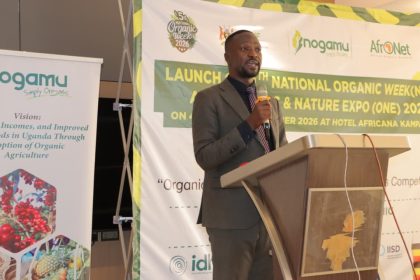 Uganda Emerges as Africa’s Largest Organic Farming Country as Exports Reach USD225 Million
 Uganda Coffee Roasters Tap Richard Rugaya as Executive Director, with Focus on Commercial Growth
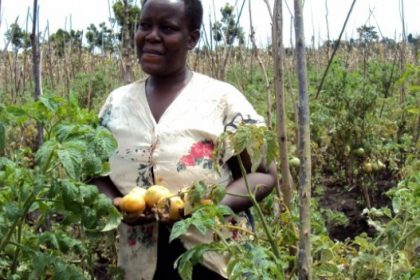 Why Africa’s Institutions Must Turn Knowledge and Investment into Farmer Prosperity
 Forbes ranks MTN Group third globally on best telecom employer list
 Stanbic experts offer investment insights to navigate current market uncertainty
 Africa Carbon Markets Urged to Turn Potential into Investment and Delivery
Get business news delivered to you everyday
Latest News

China’s GPMI Interface Leapfrogs HDMI, USB With 192Gbps Speeds and 480W Power

Stanbic Seeks Northern Uganda Business Feedback as It Marks 35 Years in Country

Uganda Emerges as Africa’s Largest Organic Farming Country as Exports Reach USD225 Million

SITA Acquisition of Collins Airport Solutions Signals Moves to Consolidate Aviation Technology

Uganda Coffee Roasters Tap Richard Rugaya as Executive Director, with Focus on Commercial Growth

Equity Bank Reports UGX37.6 Billion in Green Loans as Uganda Seeks to Scale Climate Investment

Why Africa’s Institutions Must Turn Knowledge and Investment into Farmer Prosperity

Forbes ranks MTN Group third globally on best telecom employer list

Stanbic experts offer investment insights to navigate current market uncertainty

Bank of Uganda hikes base rate from 9.75% to 12% amidst global tensions