

Solar Power Linked to More Births and Better Patient Access at Rural Ugandan Clinics
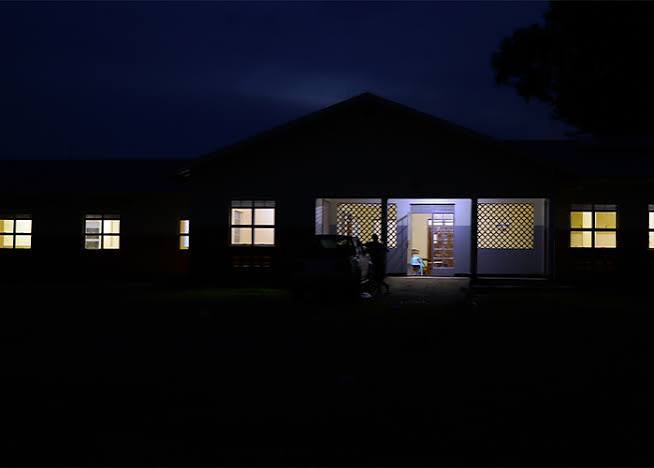
Solar power is helping rural Ugandan clinics extend operating hours, attend more births and serve more patients, with SAS data analysis also pointing to reported health and safety improvements in households.
Solar electrification is helping rural health facilities in Uganda extend service hours, attend to more births and reach more patients, according to an analysis of clinic and household data by global data and artificial intelligence company SAS and Let There Be Light International.
The findings suggest that access to reliable lighting can influence how rural health facilities deliver care, particularly at night when inadequate electricity can complicate maternity services and limit the ability of health workers to respond to emergencies.
The analysis found that solar-electrified clinics recorded an average of 11.5 additional operating hours per day, a 107.3pc increase in attended births and an average of 48.9 additional patients served each week.
The findings emerged from a Data for Good initiative in which SAS employee volunteers analysed more than a decade of data collected by Let There Be Light International (LTBLI), an organisation working to address energy poverty through solar lighting for rural health facilities and households.
The results provide evidence of the potential health benefits of electrification beyond the installation of solar equipment, linking access to power with changes in service delivery and patient access.
“Previously we had no reliable light and this affected our maternity service delivery at night,” said Sylvia, a midwife at a clinic participating in the Safe Births + Healthy Homes programme.
She said the introduction of solar lighting had helped the clinic handle night-time deliveries more reliably while reducing expenditure on disposable flashlights and kerosene.
Clinic births had more than doubled in less than a year, she said, adding that the facility hoped to encourage more mothers to deliver at health centres rather than rely on traditional birth attendants.
Beyond lighting infrastructure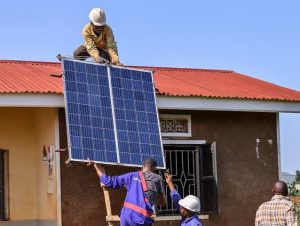
For rural health facilities operating without reliable electricity, lighting can be a practical constraint on the provision of care. Solar power can help health workers attend to patients after sunset, including women in labour, and reduce reliance on disposable or fuel-based lighting.
However, the value of electrification depends on whether infrastructure translates into better access to services. The SAS analysis sought to establish that connection by examining changes in clinic operating hours, births attended and patient numbers.
“The real value of analytics was in connecting infrastructure to outcomes that matter to people,” said Naveen Sundaresan, SAS Technical Support Engineering Manager and a volunteer on the project.
The findings, he said, showed why electrification should be assessed not only by whether a clinic has power but also by its implications for operating hours, patient access and the capacity to provide maternal healthcare.
LTBLI has solar-electrified 90 clinics across 12 districts in Uganda’s Northern, Central and Eastern regions. Ten of the facilities participate in its Safe Births + Healthy Homes programme, which combines support for maternal and infant health with access to safer lighting in the home after mothers and newborns leave the clinic.
The programme recognises that the risks associated with inadequate lighting do not end at the health facility. Families returning home with newborns may still face difficulties carrying out household tasks, caring for children and moving safely after dark.
Household health and safety
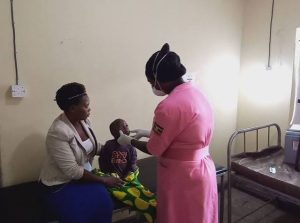 A second strand of the analysis examined responses from 3,519 families participating in the programme.
Of those surveyed, 88.1pc reported improved health at home, while 56.9pc said symptoms or illness had reduced. Families also reported safer nighttime household activities and greater confidence in caring for children after dark.
The results point to a wider dimension of energy poverty, in which inadequate lighting affects not only the delivery of formal healthcare but also the conditions in which families manage everyday health and childcare.
For women caring for newborns, reliable lighting can make routine tasks easier and safer after dark. The household findings also suggest that access to solar lighting may have benefits extending beyond the immediate period of pregnancy and childbirth.
The reported improvements are based on household responses and should be distinguished from independently verified clinical outcomes. Nevertheless, the scale of the survey offers LTBLI a broader evidence base for assessing how participants experience its interventions.
Hannah Schulman, LTBLI’s Director of Programmes and Impact, said the analysis had provided a clearer picture of how solar power affects healthcare and daily life in off-grid communities, including which groups benefit most.
The organisation intends to use the findings to strengthen programme design, work more effectively with local stakeholders and advocate for the expansion of solar safety-net programmes.
Targeting future investment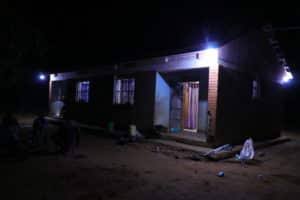
By combining clinic records, household responses, illness patterns and geographic information, the analysis gives LTBLI a basis for examining where solar support has delivered benefits and where future interventions could have the greatest value.
The geographic spread of the programme is also significant. Its 90 electrified clinics include 13 in Gomba District, 16 in Luwero and 14 in Mubende, alongside facilities in Amolatar, Bukomansimbi, Kiboga, Kyankwanzi, Mityana, Wakiso, Bulambuli, Luuka and Sironko.
The programme’s coverage across different districts also offers an opportunity to examine how local circumstances influence the results of electrification and how successful approaches might be replicated elsewhere.
For development organisations and public agencies considering investments in rural energy access, the findings reinforce the case for assessing infrastructure through the services it enables rather than the equipment installed alone.
Reliable power is not a substitute for trained health workers, medical supplies or adequately equipped facilities. But where those services exist, lighting can help health workers use their capacity more effectively, particularly during night-time deliveries.
The next challenge is to establish how consistently the reported gains can be sustained and replicated, and how solar electrification can be integrated into broader efforts to improve rural healthcare.
Related Posts
 Uganda Emerges as Africa’s Largest Organic Farming Country as Exports Reach USD225 Million
 Uganda Coffee Roasters Tap Richard Rugaya as Executive Director, with Focus on Commercial Growth
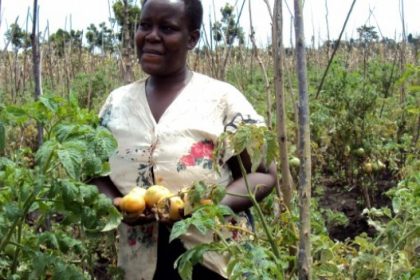 Why Africa’s Institutions Must Turn Knowledge and Investment into Farmer Prosperity
 Forbes ranks MTN Group third globally on best telecom employer list
 Stanbic experts offer investment insights to navigate current market uncertainty
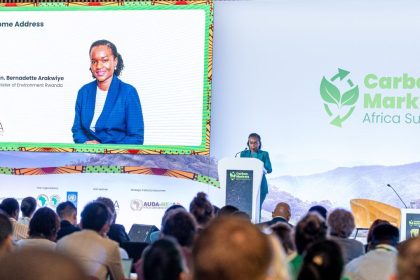 Africa Carbon Markets Urged to Turn Potential into Investment and Delivery
Get business news delivered to you everyday
Latest News

Solar Power Linked to More Births and Better Patient Access at Rural Ugandan Clinics

China’s GPMI Interface Leapfrogs HDMI, USB With 192Gbps Speeds and 480W Power

Stanbic Seeks Northern Uganda Business Feedback as It Marks 35 Years in Country

Uganda Emerges as Africa’s Largest Organic Farming Country as Exports Reach USD225 Million

SITA Acquisition of Collins Airport Solutions Signals Moves to Consolidate Aviation Technology

Uganda Coffee Roasters Tap Richard Rugaya as Executive Director, with Focus on Commercial Growth

Equity Bank Reports UGX37.6 Billion in Green Loans as Uganda Seeks to Scale Climate Investment

Why Africa’s Institutions Must Turn Knowledge and Investment into Farmer Prosperity

Forbes ranks MTN Group third globally on best telecom employer list

Stanbic experts offer investment insights to navigate current market uncertainty