

Outgoing AfDB President warns Africa against vulture funds amidst weak judiciaries
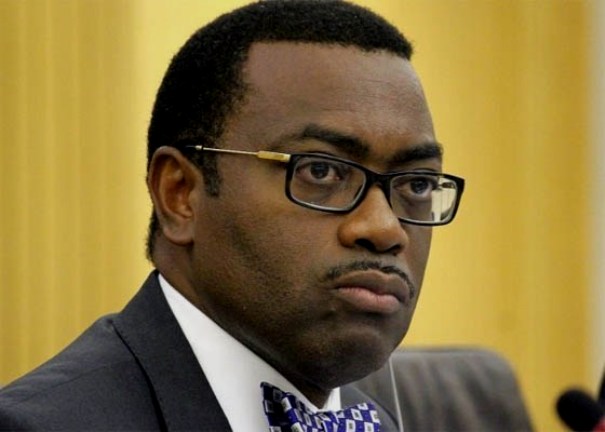 Dr. Adesina said across the world, vulture funds have raked in billions of dollars from their legal profiteering approaches and Africa has not been spared. The vulture funds take advantage of legal jurisdictions in creditor countries where they always secure favourable judgments.
The outgoing African Development Bank (AfDB) President, Dr. Akinwumi Adesina, has cautioned African governments against the dangers of non-concessionary borrowing which can open an avenue for so-called ‘vulture funds’ to extort them for repayment. Mauritanian national, Sidi Ould Tah, is set to take over from Dr. Adesina on September 1st.
In his recent keynote speech during the 2025 Kenya Law Society Conference held at the Diamond Leisure Beach & Golf Resort in Diani, Dr. Adesina said, “‘Vulture funds’, backed by hedge funds, buy off the debt of countries on secondary markets at a discount. Then taking advantage of the lack of a legally binding framework or global institution for dealing with bankruptcy of nations, they turn around to sue debtor nations for full payment of the discounted debt, including backdated interest payments, and legal fees.”
He said at present, Africa’s public debt is exceeding $1.3 trillion. However, over time, the structure of this debt has changed. Traditional concessional debt from multilateral and bilateral creditors is declining and being overtaken by reliance on Eurobond debt to commercial creditors.
He said the change in the structure of Africa’s debt which has led to a greater reliance on commercial creditors, has raised considerable challenging legal issues for many African countries.
Adsina said, “While restructuring of debt of nations, official and commercial creditors are required to agree on comparative debt treatment to bring debt to manageable levels. However, the framework has always been undermined by uncooperative private creditors. By refusing to sign on to the debt restructuring frameworks, the holdouts devise legal plots to rip countries off.”
He said across the world, vulture funds have raked in billions of dollars from their legal profiteering approaches and Africa has not been spared. The vulture funds take advantage of legal jurisdictions in creditor countries where they always secure favourable judgments.
Dr Adesina cited three examples. Two vulture funds bought a 30-year-old commercial bank debt of Liberia for $6.5 million in 2009. They then took the country to court to make claims for full payment of the discounted debt. By the time of a UK court ruling in 2010, the debt claim had risen to $43 million.
Jubilee USA network also reported a case for the Democratic Republic of Congo, where an American vulture fund bought an $8 million worth of debt for a discounted value of just $800,000. It then sued the country to pay back $27 million.
In Zambia, a vulture fund bought a $30 million debt of Zambia for a discounted value of $3.3 million. It then took the country to court and secured a judgment in its favour for over $55 million, which was eventually settled for $15.4 million.
Suggesting some remedies, Dr Adesina said the practice where debt agreements are signed and subject to law in jurisdictions that have been known to always favour the creditors not the debtor nations should be reviewed to ensure fair hearings, equity and justice before the law.
He said investors’ choice of foreign jurisdictions suggest preferences for legal systems they know and trust, and their belief that there is rule of law and judicial independence, transparency in their nations.
“By implication it suggests that they do not trust the judicial systems in African countries. African judiciary systems should rise to this challenge. They must assure judicial independence that engenders trust and confidence of foreign investors in dealing transparently, justly and fairly with disputes – essentially, assure the rule of law,” Dr. Adesina said.
He said this will be further enhanced through greater ethical standards and reduction of perceived corruption in the judiciary. “There is no substitute for a very transparent, capable, fair, just and independent judiciary to curtail currently existing moral hazards in the global debt arbitration systems,” he said.
Related Posts
 Uganda puts UGX1.4tn Treasury Bonds on Auction
 JPMorgan Abandons Oil Price Baseline as Iran Conflict Deepens Market Uncertainty
 Equity Trade Mission Targets Capital, Markets to Unlock Uganda’s Investment Potential
 Kalangala’s Oil Palm Economy Expands as Lenders Deepen Farmers’ Access to Finance
 AFRAA sees Government Action, Partnerships as Key to Unlocking African Airlines’ Potential amid Surging Demand
 Oil-sector Dollar Demand puts Pressure on Uganda Shilling as Africa’s FX Fault Lines Widen
Get business news delivered to you everyday
Latest News

Uganda puts UGX1.4tn Treasury Bonds on Auction

DHL Launches Direct Bahrain-Johannesburg Freighter Service

Uganda Set for First National ESG Conference as Sustainable Finance Gains Ground

Equity Wraps up Uganda Leg of Regional Trade Mission as Value Addition Drive Gains Traction

JPMorgan Abandons Oil Price Baseline as Iran Conflict Deepens Market Uncertainty

Frankfurt Airport Malaria Outbreak Raises Questions Over Aviation-Related Health Risks

What Maps Communicate: UN Resolution Challenges World Maps that Make Africa Look Smaller

Independence Marathon Turns to Blood Storage Gap in Maternal Health Drive

Fine Spinners Injects Fresh USD5m Into Technology as Uganda Textile Maker Targets African, European Markets

Equity Trade Mission Puts Uganda’s Manufacturing Capacity to Regional Test