

January date for IMF Board to review Uganda’s ability to pay back loans
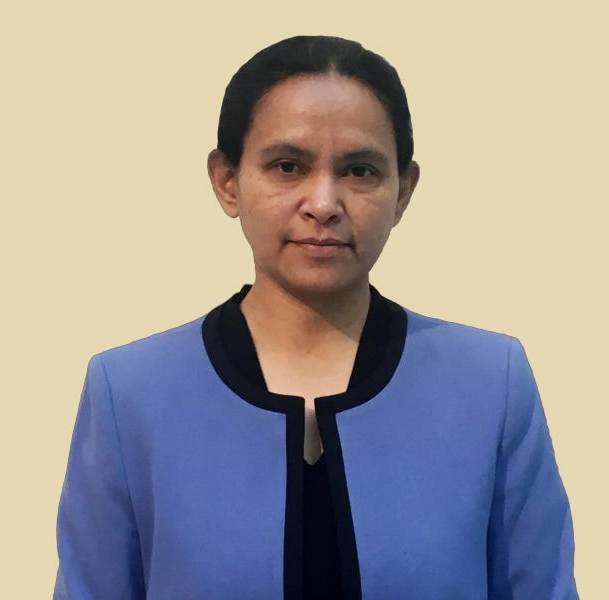 The IMF team, which was led by Jesmin Rahman, carried out a Post Financing Assessment (PFA) and the findings are to be reviewed by the board early next year. The IMF Managing Director recommends a PFA to the Executive Board when the outstanding credit of a country to the IMF exceeds specific thresholds.
Early next year, the Executive Board of the International Monetary Fund (IMF) is to review the findings of a team that was recently in Kampala, to weigh the possibilities of the Uganda government finding future challenges in servicing its IMF loans. As of June 2025, Uganda’s total debt to the IMF was at $1.5 billion.
Led by Jesmin Rahman, between November 3 and 7, the team conducted a Post Financing Assessment (PFA). However according to a team statement, Uganda’s foreign exchange reserves have increased significantly and capacity to repay the IMF is adequate.
The PFA is a routine process for countries with outstanding credit above the absolute or quota-based thresholds that do not have an IMF-supported program or a staff-monitored program. The IMF Managing Director recommends a PFA to the Executive Board when the outstanding credit of a country to the IMF exceeds specific thresholds.
These are a 200% of quota from the Fund’s General Resources Account (GRA) of from the Fund as Trustee of the Poverty Reduction and Growth Trust (PRGT) or from the Fund as Trustee of the Resilience and Sustainability Trust (RST) or a combination of them. The threshold borrowings are SDR 1.5 billion for credit from the GRA, SDR $380 million from the PRGT and SDR380 million from the RST.
By assessing these members’ capacity to repay the Fund, PFA is intended to provide an early warning of circumstances and policies that could ultimately jeopardize Fund resources. It helps identify risks early and facilitates the provision of advice on policies that will assist these members in addressing the risks and repaying the Fund.
According to the team’s statement, Uganda’s economic growth was broad-based, reaching 6.3 percent in FY2024/25. Inflation remains stable and below the 5 pc medium-term target of the Bank of Uganda. Gross international reserves strengthened, supported by higher exports, capital inflows, and stepped-up foreign exchange purchases by the BoU.
The fiscal position deteriorated significantly in FY2024/25 due to higher current spending, including one-off items. Macroeconomic conditions are expected to remain favorable in the near term, with further improvement anticipated once oil production begins in FY2026/27. However, the outlook is subject to downside risks, including global trade and financial uncertainties as well as fiscal policy slippages. The staff team assessed Uganda’s capacity to repay the IMF as adequate under a combination of external and domestic shocks.
Related Posts
 Bank of Uganda hikes base rate from 9.75% to 12% amidst global tensions
 Stanbic Business Forum told Uganda’s Schools Need to Outlive Their Founders
 COMESA Competition Watchdog Calls for Stronger Skills-Sets to Police Complex Regional Markets
 CMA Opens Dangote Refinery IPO to Uganda’s Wealthy investors as SBG Securities Uganda Limited Becomes Sole Intermediary
 UDB Commissions Titivated Headquarter Tower as Development Lender Scales up Transformation Role
 Equity Bank Urges Diaspora Ugandans to Turn Remittances into Investments
Get business news delivered to you everyday
Latest News

Stanbic Seeks Northern Uganda Business Feedback as It Marks 35 Years in Country

Uganda Emerges as Africa’s Largest Organic Farming Country as Exports Reach USD225 Million

SITA Acquisition of Collins Airport Solutions Signals Moves to Consolidate Aviation Technology

Uganda Coffee Roasters Tap Richard Rugaya as Executive Director, with Focus on Commercial Growth

Equity Bank Reports UGX37.6 Billion in Green Loans as Uganda Seeks to Scale Climate Investment

Why Africa’s Institutions Must Turn Knowledge and Investment into Farmer Prosperity

Forbes ranks MTN Group third globally on best telecom employer list

Stanbic experts offer investment insights to navigate current market uncertainty

Africa Carbon Markets Urged to Turn Potential into Investment and Delivery

Bank of Uganda hikes base rate from 9.75% to 12% amidst global tensions