

World Bank says knock-on effects of Middle East conflict will hit commodity markets
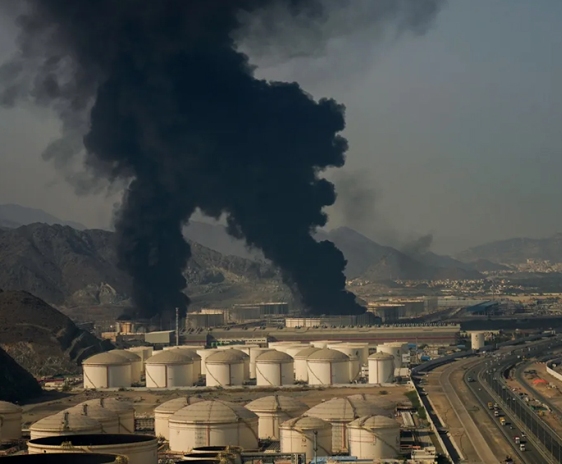 Attacks on energy infrastructure and shipping disruptions in the Strait of Hormuz, which handles about 35% of global seaborne crude oil trade, have triggered the largest oil supply shock on record, with an initial reduction in global oil supply of about 10 million barrels per day.
Energy prices are projected to surge by 24 pc this year to their highest level since Russia’s invasion of Ukraine in 2022, as the war in the Middle East sends a severe shock through global commodity markets.
According to the latest World Bank Commodity Markets Outlook, overall commodity prices are forecast to rise by 16 pc in 2026, driven by soaring energy and fertilizers prices and record-high prices for several key metals.
Indermit Gill, the World Bank Group’s Chief Economist and Senior Vice President for Development Economics said, “The war is hitting the global economy in cumulative waves: first through higher energy prices, then higher food prices, and finally, higher inflation, which will push up interest rates and make debt even more expensive. The poorest people, who spend the highest share of their income on food and fuels, will be hit the hardest, as will developing economies already struggling under heavy debt burdens. All of this is a reminder of a stark truth: war is development in reverse.”
Attacks on energy infrastructure and shipping disruptions in the Strait of Hormuz, which handles about 35 pc of global seaborne crude oil trade, have triggered the largest oil supply shock on record, with an initial reduction in global oil supply of about 10 million barrels per day. Even after moderating from their recent peak, Brent oil prices remained more than 50 pc higher in mid-April than they were at the start of the year. Brent oil is forecast to average $86 a barrel in 2026, up sharply from $69 a barrel in 2025. These forecasts assume that the most acute disruptions end in May and that shipping through the Strait of Hormuz gradually returns to pre-war levels by late 2026.
The World Food Programme says fertilizer prices are projected to increase by 31 pc, driven by a 60 pc jump in urea prices. Fertilizer affordability will fall to its worst level since 2022, eroding farmers’ incomes and threatening future crop yields. If the conflict proves more prolonged, these pressures on food supply and affordability could push up to 45 million more people into acute food insecurity this year.
In developing economies, inflation is now projected 5.1 percent in 2026 under the baseline assumptions—a full percentage point higher than was expected before the war and an increase from 4.7 percent last year. Growth in developing economies will also deteriorate as higher prices for essentials weigh on incomes and exports from the Middle East face sharp curbs. Developing economies are expected to grow by 3.6 percent in 2026, a downward revision of 0.4 percentage point since January.
This year, Brent oil prices could average as high as $115 in a scenario where critical oil and gas facilities suffer more damage and export volumes are slow to recover. This in turn would have ripple effects on prices for fertilizer and alternative energy sources such as biofuels. Under this scenario, inflation in developing economies could rise to 5.8 percent this year, a level exceeded only in 2022 over the past decade.
Ayhan Kose, the World Bank’s Deputy Chief Economist and Director of the Prospects Group said, “The succession of shocks over the decade has sharply reduced the fiscal space available to respond to the current historic energy supply crisis,” “Governments must resist the temptation of broad, untargeted fiscal support measures that could distort markets and erode fiscal buffers. Instead, they should focus on rapid, temporary support targeted to the most vulnerable households.”
Related Posts
 COMESA Competition Watchdog Calls for Stronger Skills-Sets to Police Complex Regional Markets
 Uganda puts UGX1.4tn Treasury Bonds on Auction
 JPMorgan Abandons Oil Price Baseline as Iran Conflict Deepens Market Uncertainty
 Oil-sector Dollar Demand puts Pressure on Uganda Shilling as Africa’s FX Fault Lines Widen
 MTN’s R6bn Share Buyback Highlights Cost of Iran Exit – Analysts
 BoU approves StanChart retail business sale to Absa in major banking sector shift
Get business news delivered to you everyday
Latest News

Uganda Emerges as Africa’s Largest Organic Farming Country as Exports Reach USD225 Million

SITA Acquisition of Collins Airport Solutions Signals Moves to Consolidate Aviation Technology

Uganda Coffee Roasters Tap Richard Rugaya as Executive Director, with Focus on Commercial Growth

Equity Bank Reports UGX37.6 Billion in Green Loans as Uganda Seeks to Scale Climate Investment

Why Africa’s Institutions Must Turn Knowledge and Investment into Farmer Prosperity

Forbes ranks MTN Group third globally on best telecom employer list

Stanbic experts offer investment insights to navigate current market uncertainty

Africa Carbon Markets Urged to Turn Potential into Investment and Delivery

Bank of Uganda hikes base rate from 9.75% to 12% amidst global tensions

Corporate Buyers Could Help Unlock SAF Market Worth Millions of Tonnes by 2030