

Talks held in Kigali to brainstorm regional trade bottlenecks
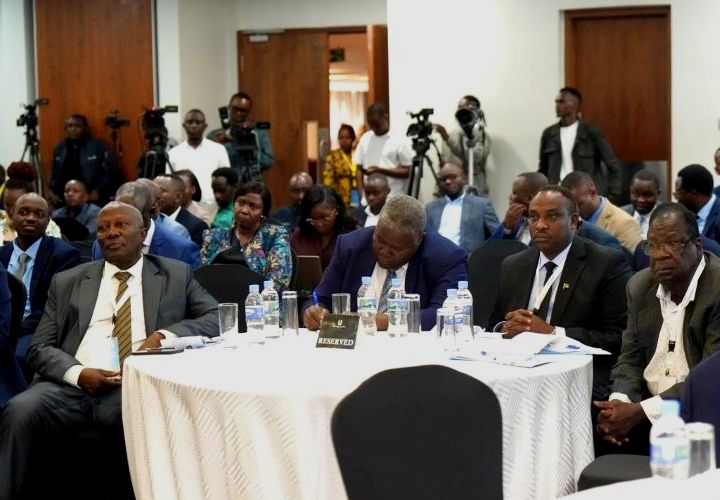 The talks brought together technical and policy officials across key sectors in the Partner States to identify bottlenecks, evaluate the effectiveness of existing interventions, and propose concrete, actionable measures to accelerate the operationalisation of the Customs Union and Common Market.
Discussions have been taking place in Kigali over the bottlenecks that prevent seamless trade across the East African Community (EAC) as intra-EAC trade still accounts for only about one-eighth of total exports for the region.
The continued prevalence of Non-Tariff Barriers (NTBs) remains a major impediment to trade as well as other issues such as discriminatory domestic taxes and charges, duplicative inspections, inconsistent application of Rules of Origin, and sanitary and phytosanitary measures.
Beatrice Askul Moe, Kenya’s Cabinet Secretary for the Ministry of East African Community, ASALs and Regional Development, called for simpler, faster, and more competitive trade processes.
She spoke on the need for a clear, actionable plan to improve the experience of businesses by reducing clearance times, easing movement of goods, and ensuring predictable regulations, emphasizing shared responsibility among all stakeholders.
Denis Karera, the Vice Chairperson of the East African Business Council (EABC), emphasized the need for practical, results-oriented measures, “we need a scorecard to track progress and ensure we implement time-bound solutions that translate policy into real trade gains,” he said. Karera said such accountability is key to boosting intra-EAC trade and strengthening regional economic integration.
During the opening ceremony, Rwanda’s Minister of Trade and Industry, Prudence Sebahizi, welcomed participants from all eight EAC Partner States and reiterated the importance of the two-day Multi-sectoral Dialogue. He reiterated Rwanda’s commitment to partnering with the private sector in driving EAC integration.
According to an EAC Secretariat release, the meeting brought together technical and policy officials across key sectors in the Partner States to identify bottlenecks, evaluate the effectiveness of existing interventions, and propose concrete, actionable measures to accelerate the operationalisation of the Customs Union and Common Market.
In spite of progress in establishing legal, institutional, and policy frameworks to support regional integration, intra-EAC trade has remained stagnant at approximately 15 pc of total trade for more than a decade, well below the region’s estimated potential of 30 pc to 50 pc or higher.
The EAC Secretary General, Veronica Nduva, said regional trade within the Community has grown from $6.42 billion in 2016 to $15.25 billion in 2024, representing an approximate annual growth rate of 11–12%.
However, she said intra-EAC trade still accounts for only about one-eighth of total exports, with the share of intra-regional trade increasing modestly from 11.5 pc in 2016 to 12.2 pc in 2024, indicating that EAC economies continue to rely heavily on external markets.
The dialogue is aimed at reaffirming Partner States’ commitment to shifting from policy formulation to effective implementation, enforcement, and coordination, recognizing that the principal constraints to trade are increasingly operational and institutional rather than legal.
Participants also reviewed the high transport and logistics costs, incomplete implementation of the One Network Area, and challenges in digital integration, including limited interoperability and weak real-time data exchange that cause duplication and border delays.
Uneven implementation of One-Stop Border Posts (OSBPs) and the Single Customs Territory, highlighting capacity gaps and uncoordinated border operations, were also be discussed. Additional areas include delays in ratifying and enforcing Customs Union and Common Market commitments, slow services liberalization, low industrialisation, weak value addition, and SEZ performance, while considering climate risks and the critical role of youth and women in fostering inclusive growth and boosting regional trade participation.
Related Posts
 COMESA Competition Watchdog Calls for Stronger Skills-Sets to Police Complex Regional Markets
 Uganda puts UGX1.4tn Treasury Bonds on Auction
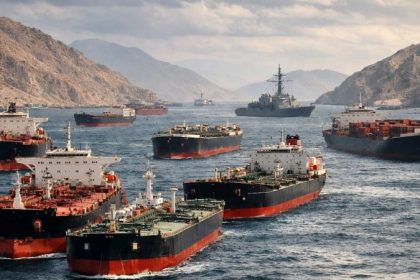 JPMorgan Abandons Oil Price Baseline as Iran Conflict Deepens Market Uncertainty
 Oil-sector Dollar Demand puts Pressure on Uganda Shilling as Africa’s FX Fault Lines Widen
 MTN’s R6bn Share Buyback Highlights Cost of Iran Exit – Analysts
 BoU approves StanChart retail business sale to Absa in major banking sector shift
Get business news delivered to you everyday
Latest News

Beyond Gold Exports, Uganda’s Next Test Is Economic Transformation

ERAM Award puts Uganda’s Animal-Health Manufacturing Ambitions in Focus

Why Community-Led Climate Action Is Essential to Building Climate Resilience

Agroecology Week Targets Stronger links Between Farmers, Policy and Markets

Stanbic Commits UGX20m to Virunga Gorilla Marathon’s Conservation Drive

Energy Ministry and Equity Bank target lower hotel energy costs through green investment initiative

FAA Certifies Boeing 737-10, Clearing Path for Deliveries of Largest 737 MAX Variant

Aviation Industry Coalition Presses EU to Protect Voluntary use of Biometric Travel Technology

Somalia Recognises IATA Safety Audits in Push for Common African Aviation Standards

Stanbic Donates UGX40 Million in Maternal Health Equipment to Obongi Facility