

Funding sought for superhighway linking western Kenya to eastern Uganda
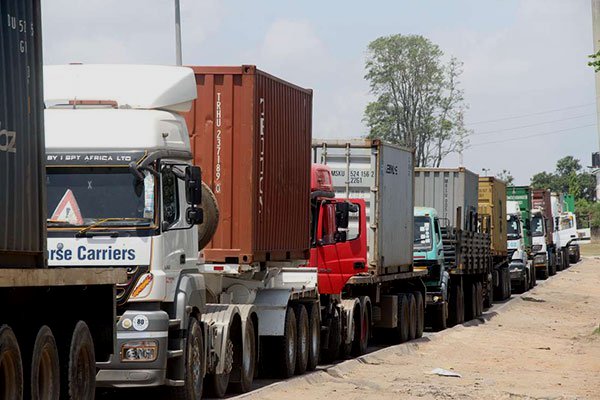 Trade between Kenya and Uganda is frequently disrupted by significant transport bottlenecks, including border congestion, poor road infrastructure, and overwhelmed customs officers.
The Kenya and Uganda governments have begun to jointly push for construction of a new superhighway to ease transport bottlenecks between western Kenya and eastern Uganda by organizing a meeting to get the views of the main stakeholders, including potential financiers and the private sector.
According to the East African Community (EAC) Secretariat in Arusha, the two governments in partnership with the African Development Bank (AfDB), will host a Market Sounding Conference on October 20 and 21 Kampala.
Andrea Ariik Malueth, the EAC Deputy Secretary General in charge of Infrastructure, Planning, Productive, Social and Political sectors said, “The Market Sounding Conference is a turning point in our efforts to establish a strategy for sustainable infrastructure development via private sector funding, thereby transforming trade, strengthening regional integration, and unlocking opportunities for millions of our citizens.”
In a release, the Secretariat said the conference will bring together government officials, development partners, investors, and private sector leaders to explore financing options for the 193-kilometre Kenya–Uganda Multinational Expressway Project, linking Kisumu–Busia in Kenya to Kakira–Malaba in Uganda.
This landmark project, part of the Northern Transport Corridor, is designed to enhance regional trade, improve transport efficiency, and foster cross-border integration. It will also upgrade key border posts at Busia, Malaba, and Lwakhakha to modern and efficient One Stop Border Posts (OSBPs), thus easing the movement of goods and people across the region.
Participants at the conference will have the opportunity to review the findings of detailed feasibility studies, including traffic forecasts, engineering designs, and assessments of environmental and social impacts.
The conference will also present the Bankability Report which, based on the project cost estimates, contains proposals for viable public-private partnership (PPP) financing models.
The talks are expected to generate strong interest from investors and financiers, with participants providing constructive feedback on the project’s design, feasibility, and financing models. It is also anticipated that the discussions will build consensus on the best approaches to structure the expressway for sustainability and inclusivity, while encouraging practical proposals to address potential environmental and social impacts.
Related Posts
 Uganda Emerges as Africa’s Largest Organic Farming Country as Exports Reach USD225 Million
 Corporate Buyers Could Help Unlock SAF Market Worth Millions of Tonnes by 2030
 Airbus sees USD420bn Global Aviation Services Boom: Can Africa Capture its Share?
 Uganda’s Oil Refinery Still Makes Sense in a USD500 Billion Economy
 CMA Opens Dangote Refinery IPO to Uganda’s Wealthy investors as SBG Securities Uganda Limited Becomes Sole Intermediary
 Uganda Private Sector Sustains Demand Despite Rising Costs
Get business news delivered to you everyday
Latest News

Stanbic Seeks Northern Uganda Business Feedback as It Marks 35 Years in Country

Uganda Emerges as Africa’s Largest Organic Farming Country as Exports Reach USD225 Million

SITA Acquisition of Collins Airport Solutions Signals Moves to Consolidate Aviation Technology

Uganda Coffee Roasters Tap Richard Rugaya as Executive Director, with Focus on Commercial Growth

Equity Bank Reports UGX37.6 Billion in Green Loans as Uganda Seeks to Scale Climate Investment

Why Africa’s Institutions Must Turn Knowledge and Investment into Farmer Prosperity

Forbes ranks MTN Group third globally on best telecom employer list

Stanbic experts offer investment insights to navigate current market uncertainty

Africa Carbon Markets Urged to Turn Potential into Investment and Delivery

Bank of Uganda hikes base rate from 9.75% to 12% amidst global tensions