Equity Online for Business Nudges Ugandan Enterprises Into Digital Banking Era
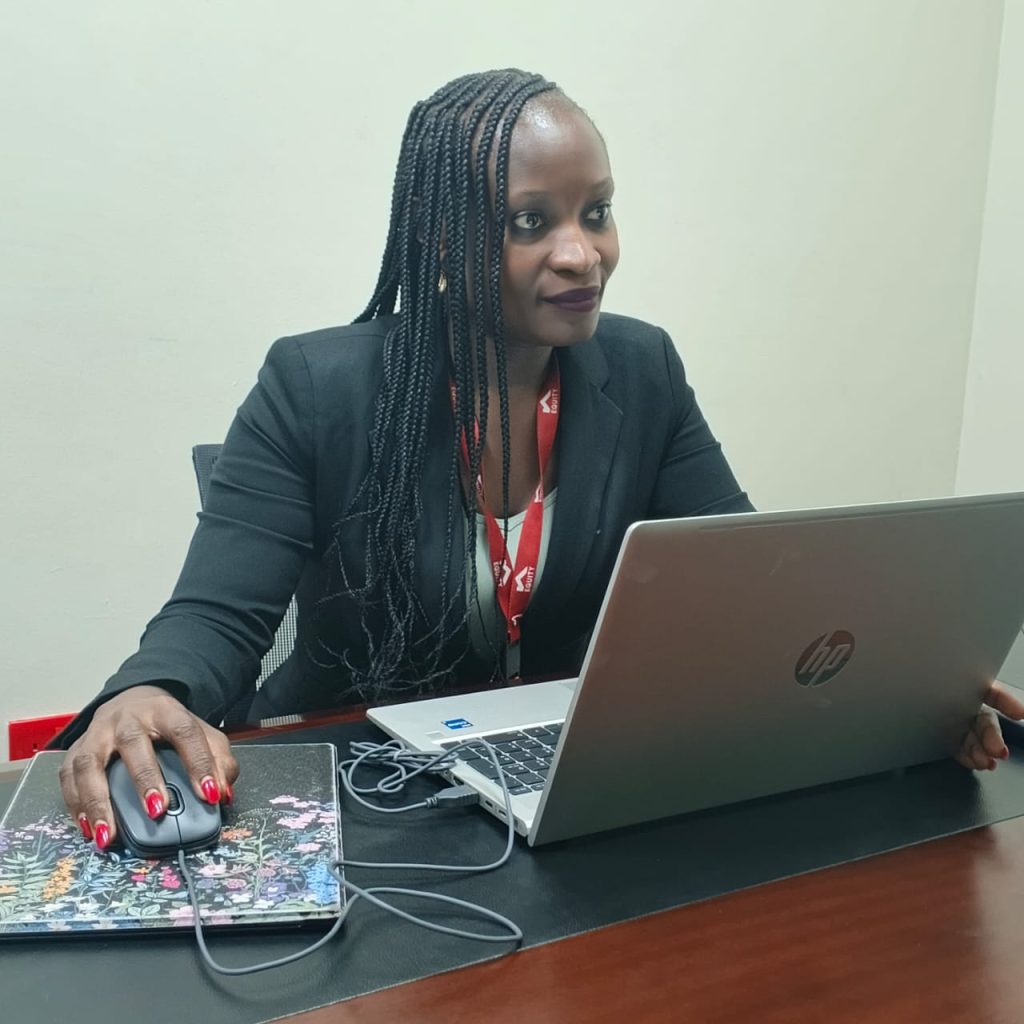
Launched in April 2026, the next-generation internet banking platform was designed to support businesses of all sizes — from small and medium enterprises to large corporates — by providing faster, more integrated and secure ways to manage daily financial operations.
Immaculate Asiimwe, Head of Payments and Channels at Equity Bank Uganda, explains why the platform was developed, how it is changing business banking and what the future holds for digital financial management.
What business challenge was Equity Online for Business designed to solve?
Equity Online for Business is our new internet banking platform built specifically for businesses. It replaces our legacy platform, EazzyBiz, which served customers for many years.
The business environment has changed significantly, and our customers told us they needed a solution that could support more complex and faster-moving financial operations. Rather than simply redesigning the old platform, we developed an entirely new solution based on customer feedback and future business requirements.
The platform is designed to support SMEs, large businesses and corporate organisations by helping them manage payments, monitor accounts and complete transactions more efficiently.
How is Equity Online for Business different from the previous platform?
The biggest difference is that it was designed around the evolving needs of today’s businesses.
Businesses now require more than basic account access. They need tools that allow them to process payroll, manage suppliers, make statutory payments, conduct regional and international transfers, and integrate banking with their internal financial systems.
Equity Online for Business brings these capabilities together in one platform.
What are the biggest challenges businesses can now solve through the platform?
One of the biggest areas is reducing manual processes.
Traditionally, businesses would prepare payroll manually, issue cheque instructions and visit banking halls regularly to complete transactions. Today, they can upload payroll files electronically, approve payments online and complete transactions within minutes.
The platform reduces paperwork, saves time and gives business owners greater visibility and control over their finances.
What are the key features businesses are using most?
Payroll processing has been one of the most popular features. Businesses can pay salaries directly into bank accounts or mobile money wallets from one platform, which is particularly useful for SMEs with casual workers who may not have traditional bank accounts.
The platform also supports real-time local and international transfers, statutory payments such as URA and NSSF obligations, supplier payments, detailed real-time statements and multi-currency accounts.
For larger organisations, Host-to-Host integration allows businesses to connect the platform directly to their accounting or ERP systems for automated reconciliation.
Does a business need an Equity Bank account to use the platform?
Yes. Businesses must hold an operating account with Equity Bank because it serves as the source of funds for transactions.
However, payments are not restricted to Equity customers. Businesses can transfer funds to accounts held at other banks and directly to mobile money wallets.
How important has mobile accessibility become for business owners?
It has become increasingly important. Many business owners want the flexibility to approve transactions while travelling or away from their offices.
Equity Online for Business is accessible through both a web portal and a mobile application, allowing authorised users to securely manage and approve transactions wherever they are.
How has customer adoption been since the launch?
The response has been encouraging. Around 70 percent of our corporate customers are already actively using the platform, while approximately 35 percent of SME customers have signed up.
Our SME banking teams across the country continue to onboard customers, and we expect adoption within this segment to grow significantly as more businesses experience the benefits.
What impact has the platform had on business transactions?
Compared to the previous platform, transaction volumes and values have increased by approximately 60 percent, while customer adoption has improved by about 40 percent.
These figures show that businesses are embracing digital banking solutions when they are designed around their actual needs.
How does the platform serve both SMEs and large corporates?
We deliberately developed one comprehensive platform rather than separate solutions.
SMEs typically need tools for payroll processing, account monitoring and everyday transaction management, while larger organisations require advanced capabilities such as ERP integration, multi-user controls and automated reconciliation.
The platform allows customers to activate the services they need while supporting their growth over time.
Cybersecurity is a major concern for businesses. How has this been addressed?
Security was built into the platform from the beginning.
The system includes multi-layer authentication, one-time passwords, security tokens and role-based approvals to ensure that sensitive transactions are properly controlled.
Our Information Security teams continuously monitor the platform and strengthen security measures to respond to emerging cyber threats.
Are businesses increasingly using digital platforms for regional and international trade?
Yes. Many of our customers are trading across East Africa and beyond, and they increasingly need faster and more efficient ways to manage cross-border transactions.
The platform enables local, regional and international transfers while providing access to live foreign exchange rates and multi-currency account management, helping businesses operate more efficiently.
What innovations can customers expect next?
We are already developing the next phase of the platform, which will introduce digital trade finance services, loan applications and additional corporate banking capabilities.
We also plan to integrate machine learning to deliver a more personalised experience. The system will be able to identify recurring transactions, remind customers about scheduled payments and simplify routine financial management.
How can businesses get started?
Businesses simply need an Equity Bank account. They can visit any branch, contact the Customer Contact Centre or engage their relationship manager.
Once the required onboarding forms are completed, the bank configures user profiles, activates requested services and provides practical training to ensure customers can confidently use the platform from day one.
Related Posts
 Uganda Coffee Roasters Tap Richard Rugaya as Executive Director, with Focus on Commercial Growth
 Why Africa’s Institutions Must Turn Knowledge and Investment into Farmer Prosperity
 Forbes ranks MTN Group third globally on best telecom employer list
 Stanbic experts offer investment insights to navigate current market uncertainty
 Africa Carbon Markets Urged to Turn Potential into Investment and Delivery
 Corporate Buyers Could Help Unlock SAF Market Worth Millions of Tonnes by 2030
Get business news delivered to you everyday
Latest News

Uganda Coffee Roasters Tap Richard Rugaya as Executive Director, with Focus on Commercial Growth

Equity Bank Reports UGX37.6 Billion in Green Loans as Uganda Seeks to Scale Climate Investment

Why Africa’s Institutions Must Turn Knowledge and Investment into Farmer Prosperity

Forbes ranks MTN Group third globally on best telecom employer list

Stanbic experts offer investment insights to navigate current market uncertainty

Africa Carbon Markets Urged to Turn Potential into Investment and Delivery

Bank of Uganda hikes base rate from 9.75% to 12% amidst global tensions

Airbus sees USD420bn Global Aviation Services Boom: Can Africa Capture its Share?

Nile Breweries Celebrates 75 Years of Growing with Uganda

Nawangwe Urges Architects to Document Uganda’s Built Heritage