

El Niño Puts More Than 162 Million Children at Risk Across Africa as UNICEF warns of worsening drought, flooding and extreme heat hazard
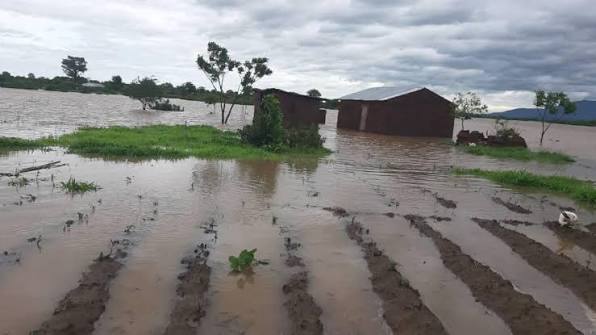
UNICEF warns that more than 162 million children across Eastern and Southern Africa are exposed to the growing risks of the 2026/2027 El Niño, with Uganda among 13 priority countries requiring urgent anticipatory action.
More than 162 million children—over two-thirds of all children in Eastern and Southern Africa—are living in areas exposed to the effects of the strengthening 2026/2027 El Niño, UNICEF has warned.
The UN children’s agency says intensifying drought, extreme heat and flooding could threaten children’s nutrition, health, access to safe water and sanitation, education and protection, with Uganda among 13 countries identified as facing urgent and overlapping risks.
UNICEF said forecasts offer a narrow but critical window for governments, humanitarian agencies and donors to act before the most severe consequences of the climate event are felt.
“The threat from El Niño is growing, and the risks for children are already clear,” said Etleva Kadilli, UNICEF Regional Director for Eastern and Southern Africa.
“Across the region, children are facing food and water insecurity, overstretched health services and disrupted learning. Further, major climate shocks will likely push children and the systems they rely on to breaking point.”
The warning covers Djibouti, Eritrea, Ethiopia, Kenya, Madagascar, Malawi, Mozambique, Somalia, South Sudan, Sudan, Uganda, Zambia and Zimbabwe.
The impact is expected to vary significantly across the region. East Africa faces an increased threat of flooding during the short-rains season, while poor rainfall and harvests could deepen food insecurity across Southern Africa.
The effects on children—including rising malnutrition, disease outbreaks and disruption to essential services—could continue well into 2027.
UNICEF assessments highlight the scale of the potential disruption. In Somalia, flooding could directly affect up to 2.5 million people under the most severe scenario mapped by the agency, potentially driving displacement and disrupting children’s access to food, healthcare, safe water and education.
In Ethiopia, tens of thousands of children are likely to be affected, particularly in areas already experiencing severe food insecurity and vulnerability. In South Sudan, drought, extreme heat and localized flooding could deepen food insecurity and malnutrition, increase disease outbreaks and compound famine risks and displacement.
UNICEF is particularly concerned that the region remains poorly prepared to finance action before disasters strike.
Less than one per cent of international humanitarian assistance is currently available for anticipatory action, despite evidence that early intervention can save lives, reduce humanitarian needs and protect development gains.
The agency is therefore calling for urgent investment in child-critical response measures, including pre-positioning nutrition supplies, expanding early screening and treatment, strengthening disease surveillance and vaccination, and securing water, sanitation and hygiene services.
It also wants governments and partners to reinforce school infrastructure and establish alternative learning spaces before climate shocks disrupt education.
Child protection measures—including psychosocial support, family tracing and reunification and efforts to prevent gender-based violence—will also need to be expanded as displacement and household vulnerability increase.
UNICEF further wants early-warning systems linked to anticipatory cash assistance and other shock-responsive social protection measures, while strengthening government systems to manage future climate shocks.
The agency is seeking US$173 million from within its existing 2026 Humanitarian Action for Children requirements to provide anticipatory and life-saving assistance across the 13 priority countries.
UNICEF says flexible financing is particularly critical now, before the effects of El Niño intensify.
The agency estimates that every US$1 invested in disaster risk reduction can save up to US$15 in future recovery costs.
“We know what is coming, which children are most at risk and how to protect them,” Kadilli said. “The choice is whether the world responds now, or waits until the crisis escalates, and children pay an even greater price.”
El Niño is a natural climate pattern associated with unusually warm sea-surface temperatures in the Pacific Ocean, which can alter rainfall, temperatures and weather extremes around the world.
For Eastern and Southern Africa, the consequences will differ by location and evolve over time, making early-warning systems and anticipatory action particularly important.
For countries such as Uganda, the warning comes as governments and humanitarian agencies prepare for potentially disruptive rainfall patterns, flooding and the knock-on effects on food security, health and essential services.
Related Posts
 Uganda Emerges as Africa’s Largest Organic Farming Country as Exports Reach USD225 Million
 Uganda Coffee Roasters Tap Richard Rugaya as Executive Director, with Focus on Commercial Growth
 Why Africa’s Institutions Must Turn Knowledge and Investment into Farmer Prosperity
 Forbes ranks MTN Group third globally on best telecom employer list
 Stanbic experts offer investment insights to navigate current market uncertainty
 Africa Carbon Markets Urged to Turn Potential into Investment and Delivery
Get business news delivered to you everyday
Latest News

Stanbic Seeks Northern Uganda Business Feedback as It Marks 35 Years in Country

Uganda Emerges as Africa’s Largest Organic Farming Country as Exports Reach USD225 Million

SITA Acquisition of Collins Airport Solutions Signals Moves to Consolidate Aviation Technology

Uganda Coffee Roasters Tap Richard Rugaya as Executive Director, with Focus on Commercial Growth

Equity Bank Reports UGX37.6 Billion in Green Loans as Uganda Seeks to Scale Climate Investment

Why Africa’s Institutions Must Turn Knowledge and Investment into Farmer Prosperity

Forbes ranks MTN Group third globally on best telecom employer list

Stanbic experts offer investment insights to navigate current market uncertainty

Bank of Uganda hikes base rate from 9.75% to 12% amidst global tensions

Corporate Buyers Could Help Unlock SAF Market Worth Millions of Tonnes by 2030