

Appellation: Uganda Gives its Crude a Brand as ‘Pearl Sweet’ Ahead of November First Oil
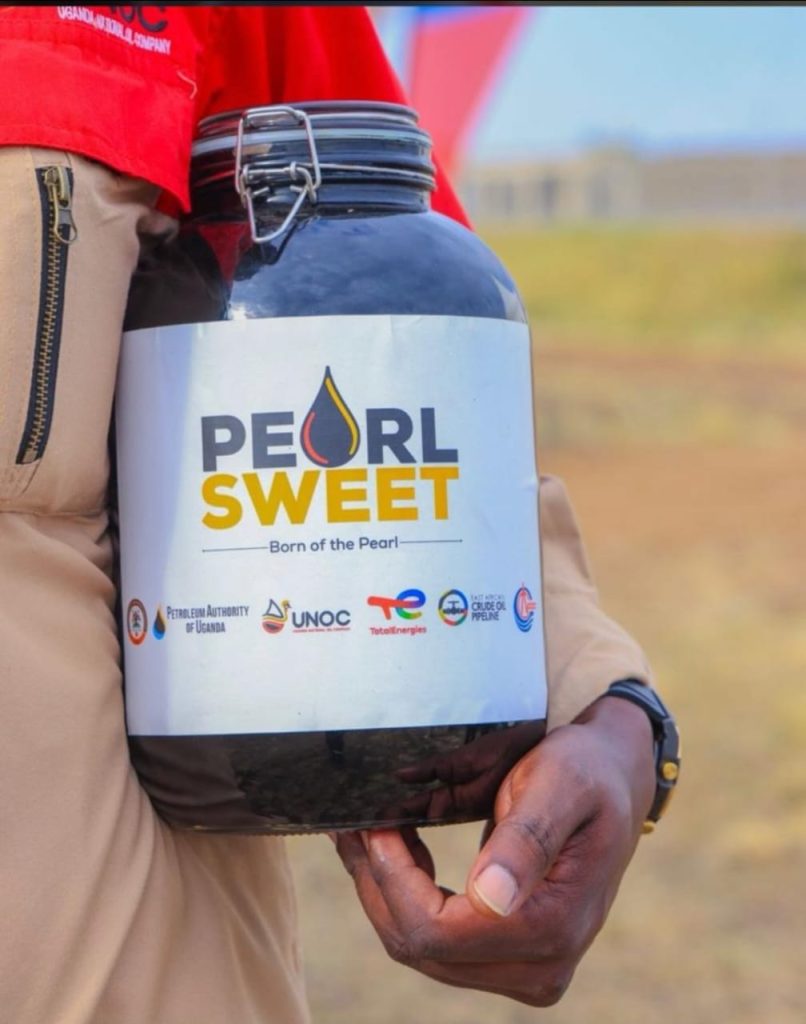
Uganda has named its crude oil Pearl Sweet, giving the country’s petroleum a distinct commercial identity ahead of planned first oil in November 2026. The name reflects the crude’s low Sulphur content and Uganda’s identity as the Pearl of Africa.
Uganda is moving to give its long-awaited crude oil a place on the global petroleum map, naming its export grade Pearl Sweet as the country prepares to start commercial production in November 2026.
The name, unveiled by President Yoweri Museveni at the Kingfisher production facility on the shores of Lake Albert on Wednesday, gives Uganda’s crude a commercial identity ahead of its entry into the international oil market.
It is a seemingly simple branding exercise, but one with important commercial implications. Crude oil is traded by grade, with refiners and traders differentiating supplies according to characteristics such as density, sulphur content and refining yields.
Uganda’s Energy and Mineral Development Minister, Dr Monica Musenero, said the name captures both the physical characteristics of the crude and its national identity.
“Sweet” refers to its very low sulphur content, which makes it relatively cheaper to refine, while “Pearl” draws on Uganda’s long-standing description as the Pearl of Africa.
The naming marks another step in the transformation of Uganda’s petroleum resources from an exploration story into an identifiable commodity that can be marketed to international refiners.
Unlike a generic reference to “Ugandan crude”, a named grade gives buyers a specific product against which its quality and commercial characteristics can be assessed.
Major producing countries similarly attach identities to their crude grades. Brent, for example, originated from the North Sea, while Ghana’s Jubilee crude takes its name from the field that launched the country’s oil production. Senegal’s Sangomar became another new African crude grade after production began in 2024.
For Uganda, Pearl Sweet now becomes part of the commercial vocabulary through which its crude will enter the global market.
After nearly two decades since commercially viable oil discoveries were confirmed in the Albertine Graben in 2006, he timing is significant. Uganda is approaching the point where its crude will move from underground reserves to export cargoes.
The country’s crude, however, comes with a logistical challenge. It is relatively waxy and requires heating to remain fluid during transportation. The crude will therefore be transported through the 1,443-kilometre East African Crude Oil Pipeline (EACOP) to the port of Tanga in Tanzania.
The pipeline, now at 91pc completion and described by its developers as the world’s longest heated crude oil pipeline, is being built to provide Uganda with an export corridor to international markets.
The Lake Albert basin contains an estimated 6.5 billion barrels of oil in place, of which between 1.4 billion and 1.7 billion barrels are considered recoverable, according to the Uganda National Oil Company.
Production will be led by two major developments — the Tilenga project operated by TotalEnergies and the Kingfisher project operated by CNOOC — with combined peak production expected to reach about 230,000 barrels per day.
At Kingfisher, the central processing facility has capacity to handle 40,000 barrels per day.
The scale of the projects places Uganda among the new African oil producers seeking to convert petroleum discoveries into export revenues and wider economic activity.
The journey, however, has been considerably longer than initially anticipated.
Commercial quantities were confirmed in the Albertine Graben in 2006, but development was delayed by negotiations, infrastructure requirements and other challenges. The sector received a major boost with the 2022 Final Investment Decision, which unlocked about USD15 billion in planned oil and related infrastructure investment.
The production schedule has subsequently slipped several times. The government and industry now say the project is entering its final stretch, with EACOP reported to be more than 91pc complete and first oil targeted for November.
That makes the christening of Pearl Sweet more than a ceremonial milestone as it signals a shift in Uganda’s oil story from finding the resource and building the infrastructure to preparing a product for the market.
Related Posts
 Uganda Emerges as Africa’s Largest Organic Farming Country as Exports Reach USD225 Million
 Uganda Coffee Roasters Tap Richard Rugaya as Executive Director, with Focus on Commercial Growth
 Why Africa’s Institutions Must Turn Knowledge and Investment into Farmer Prosperity
 Forbes ranks MTN Group third globally on best telecom employer list
 Stanbic experts offer investment insights to navigate current market uncertainty
 Africa Carbon Markets Urged to Turn Potential into Investment and Delivery
Get business news delivered to you everyday
Latest News

Stanbic Seeks Northern Uganda Business Feedback as It Marks 35 Years in Country

Uganda Emerges as Africa’s Largest Organic Farming Country as Exports Reach USD225 Million

SITA Acquisition of Collins Airport Solutions Signals Moves to Consolidate Aviation Technology

Uganda Coffee Roasters Tap Richard Rugaya as Executive Director, with Focus on Commercial Growth

Equity Bank Reports UGX37.6 Billion in Green Loans as Uganda Seeks to Scale Climate Investment

Why Africa’s Institutions Must Turn Knowledge and Investment into Farmer Prosperity

Forbes ranks MTN Group third globally on best telecom employer list

Stanbic experts offer investment insights to navigate current market uncertainty

Bank of Uganda hikes base rate from 9.75% to 12% amidst global tensions

Corporate Buyers Could Help Unlock SAF Market Worth Millions of Tonnes by 2030