

United Completes First Phase Expansion of World’s Largest Pilot Training Facility
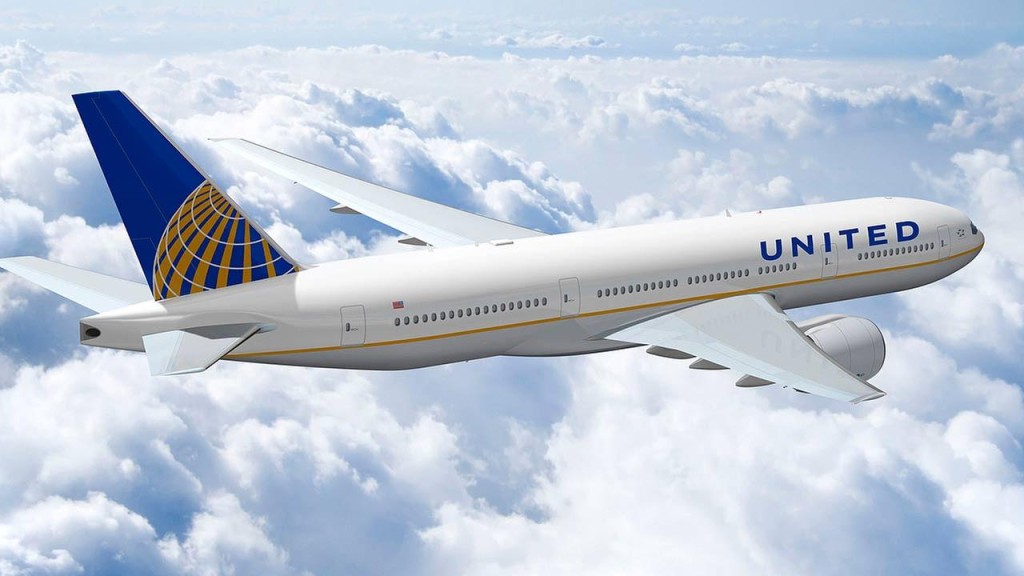
United Airlines is expanding its pilot-training infrastructure as network growth increases demand for cockpit capacity, with its Denver centre now able to train up to 860 pilots a day and a second expansion phase planned for 2030.
United Airlines is expanding its pilot-training capacity to match the pace of its network and fleet growth, completing the first phase of a major expansion of its Denver training centre that can now handle up to 860 pilots a day.
The expansion adds 40 CAE training devices to the facility since 2022, bringing the total to 86, including 52 full-motion flight simulators and 34 fixed training devices.
United’s move comes as the airline manages a pilot workforce of nearly 18,000 and continues to recruit heavily under its United Next growth strategy. The carrier has hired more than 9,500 pilots since launching the strategy in 2021, including 700 so far in 2026, with hundreds more expected to join before the end of the year.
The Denver Flight Training Center, which has served as United’s main pilot training facility since the 1960s, now spans nearly 700,000 square feet across eight buildings on a 22-acre site.
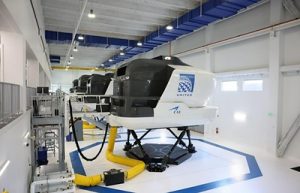 The facility can conduct more than 32,000 training events annually and operates 24 hours a day for 362 days a year, making training capacity a critical component of United’s ability to sustain its expansion.
The airline is already preparing for the next stage. Following approval by Denver City Council in July to rezone two parcels of land acquired by United in 2023 near Denver International Airport, construction of a second training facility is expected to begin in 2027, with operations targeted for around 2030.
United will operate the new centre alongside its existing facility, creating additional capacity as its pilot workforce and flight network continue to expand.
The investment also illustrates how airline growth increasingly requires investment beyond aircraft and airport infrastructure. Training systems, simulators, instructors and pilot-development programmes have become essential infrastructure for carriers seeking to add capacity without creating bottlenecks in the cockpit.
United’s partnership with CAE, which has supported the airline’s training operation for more than four decades, is central to the expansion. The additional devices include both full-motion simulators and fixed training equipment used for pilot qualification and recurrent training.
Every United pilot undergoes simulator training during initial qualification and returns to the Denver centre every nine months to maintain certification.
The scale of the operation is matched by significant local economic activity. United invested more than $145 million in a new training building that opened in 2024, creating more than 300 jobs. More than 1,600 of the airline’s 11,400-plus Denver employees now work at the Flight Training Center across 24 departments.
The facility also generates substantial demand for local accommodation. United spent nearly $40 million on Denver hotel room nights for pilots attending training in 2025 and expects that figure to approach $50 million this year.
The training expansion forms part of a much broader investment programme in Denver, United’s fastest-growing hub. The airline has committed nearly $1 billion since 2021 to improve its operations and customer facilities at Denver International Airport, including new gates, United Club locations and a new check-in lobby.
United hired more than 1,400 people in Denver in 2025 and plans to add another 1,300 in 2026.
This summer, the airline is operating an average of 570 daily departures from Denver, serving more than 200 destinations, including more than 20 international markets.
For the wider aviation industry, United’s investment highlights the growing importance of workforce infrastructure as airlines expand. Adding aircraft and routes creates a corresponding requirement for qualified pilots, and the ability to train those pilots at scale can determine how quickly airlines can translate fleet investments into additional flying.
United is also widening its recruitment pipeline through its Aviate programme, the United Aviate Academy and a military pilot pathway. Nearly 600 military pilots have transitioned to United through the latter programme since 2024, with another 500 expected by the end of 2027.
The airline’s training strategy therefore extends beyond meeting immediate staffing needs. By expanding simulator capacity while developing multiple pathways into the cockpit, United is building a pipeline intended to support sustained growth over the next decade.
With phase two of the Denver training centre expected to come online around 2030, the airline is effectively building the human-capital infrastructure alongside its physical network—positioning pilot training as a key enabler of its next phase of expansion.
Related Posts
 SITA Acquisition of Collins Airport Solutions Signals Moves to Consolidate Aviation Technology
 Uganda Coffee Roasters Tap Richard Rugaya as Executive Director, with Focus on Commercial Growth
 Equity Bank Reports UGX37.6 Billion in Green Loans as Uganda Seeks to Scale Climate Investment
 Why Africa’s Institutions Must Turn Knowledge and Investment into Farmer Prosperity
 Stanbic experts offer investment insights to navigate current market uncertainty
 Africa Carbon Markets Urged to Turn Potential into Investment and Delivery
Get business news delivered to you everyday
Latest News

SITA Acquisition of Collins Airport Solutions Signals Moves to Consolidate Aviation Technology

Uganda Coffee Roasters Tap Richard Rugaya as Executive Director, with Focus on Commercial Growth

Equity Bank Reports UGX37.6 Billion in Green Loans as Uganda Seeks to Scale Climate Investment

Why Africa’s Institutions Must Turn Knowledge and Investment into Farmer Prosperity

Forbes ranks MTN Group third globally on best telecom employer list

Stanbic experts offer investment insights to navigate current market uncertainty

Bank of Uganda hikes base rate from 9.75% to 12% amidst global tensions

Corporate Buyers Could Help Unlock SAF Market Worth Millions of Tonnes by 2030

Airbus sees USD420bn Global Aviation Services Boom: Can Africa Capture its Share?

Nile Breweries Celebrates 75 Years of Growing with Uganda