

Rwanda Alcohol Imports ban Exposes Cracks in Regional Quality Assurance System
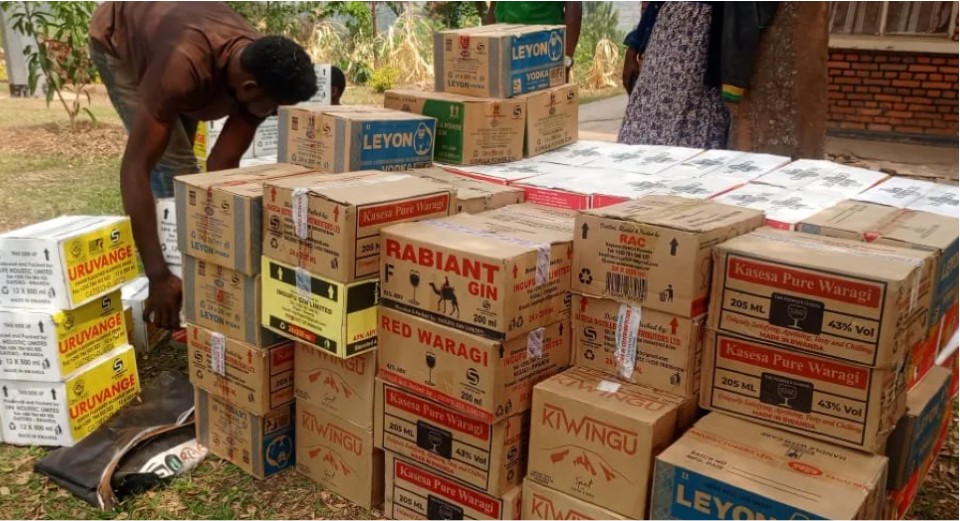 Some illicit beverages seized in Gatsibo, Rwanda, on Tuesday, August 4. Picture Courtesy of The Newtimes Rwanda.
Rwanda’s FDA has suspended 52 imported brands of alcoholic beverages, including 11 from Uganda, as regulatory confidence between East African trading partners comes under scrutiny
Rwanda’s decision to suspend imports of 52 alcoholic beverage brands from Uganda, Tanzania, Burundi and India is a pointed indictment of the quality assurance systems operated by the standards and food safety regulators in the countries where the products originated.
The sweeping action by the Rwanda Food and Drugs Authority (Rwanda FDA), announced on August 5, underscores growing concern over whether products certified for sale in one East African market can continue to enjoy automatic regulatory confidence in another.
Under regional trade arrangements, regulators generally recognise one another’s quality marks to facilitate the free movement of goods and reduce unnecessary barriers to trade. That mutual trust is backed by post-market surveillance, where products already on sale are routinely sampled and tested, with any concerns first referred to the regulator in the exporting country.
Industry experts note that a mass recall and suspension of imports typically come only after those regulatory mechanisms have failed to resolve compliance concerns.
The Rwanda FDA ordered the immediate suspension of imports of 52 alcoholic beverages, most originating from Uganda, Tanzania, Burundi and India, and directed importers to recall all affected products from the market.
Distributors and retailers have been instructed to stop selling the listed products immediately and return remaining stocks to importers, while consumers have been advised not to consume the affected beverages.
The regulator also ordered the removal of all advertising and promotional materials associated with the suspended brands and warned that failure to comply would attract regulatory sanctions.
Uganda accounts for a significant share of the suspended products.
Among those listed are Bond 7 Whisky and Gilbeys’ Flavoured Gin from Uganda Breweries Ltd, Campfire Gin, X5 Gin, X5 Whisky, X5 Liqueur, Jonney’s Gin and Pan Master Whisky from John Distillers (U) Ltd, as well as Club 5 Gin and Tembo Liqueur from Glorrie Industries.
The action also affects products manufactured in Tanzania, including Konyagi, Diamond Rock Gin, X5 Gin and Hanson’s Vodka, as well as brands from Kenya, Burundi and India.
For Ugandan manufacturers, the suspension raises questions about the effectiveness of domestic quality assurance systems and the potential commercial implications if export markets begin demanding additional certification before accepting products.
The latest measures represent a significant escalation in Rwanda’s campaign against unsafe alcohol.
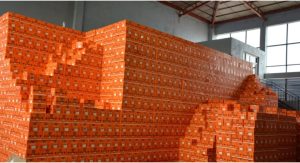
Inside NBG factory’s store in Gasabo District. Authorities seized products worth more than Rwf2.6 billion and imposed fines of nearly Rwf360 million countrywide. Picture Courtesy The New Times Rwanda
Authorities say more than 50 people have died this year after consuming illicit alcoholic beverages, while more than 100 people have suffered blindness linked to contaminated alcohol. More than 500 others have sought medical treatment.
The crackdown has already resulted in the closure of more than 130 manufacturing companies and the arrest of over 60 people accused of producing and distributing illicit alcoholic beverages, according to Rwandan authorities.
Separately, the Rwanda Standards Board (RSB) has withdrawn its S-Mark certification from dozens of alcoholic beverages, ordering manufacturers to recall affected products and prohibiting continued use of the national quality mark.
The standards agency has indicated that additional manufacturers and products could face similar action as inspections continue.
Trade implications
While the suspension is described as temporary, it carries wider implications for regional trade.
The East African Community and the African Continental Free Trade Area (AfCFTA) depend heavily on mutual recognition of standards to lower the cost of doing business across borders. When one country’s regulator loses confidence in products certified by another, exporters can face increased inspections, longer clearance times and additional compliance costs.
For beverage manufacturers, rebuilding confidence may require closer engagement between national standards bodies, food safety regulators and manufacturers to establish whether the affected products failed chemical, labelling or manufacturing compliance requirements.
Neither Rwanda FDA nor the affected manufacturers have publicly detailed the specific technical deficiencies that led to each product’s suspension.
However, the breadth of the action suggests regulators are shifting from targeting illicit alcohol producers alone to examining whether imported products already carrying quality certification continue to meet the standards expected in Rwanda’s market.
As Rwanda intensifies enforcement, regulators across the region may come under pressure to strengthen market surveillance and quality assurance systems to preserve confidence in the mutual recognition framework that underpins East African trade.
Related Posts
 JPMorgan Abandons Oil Price Baseline as Iran Conflict Deepens Market Uncertainty
 Frankfurt Airport Malaria Outbreak Raises Questions Over Aviation-Related Health Risks
 Independence Marathon Turns to Blood Storage Gap in Maternal Health Drive
 Fine Spinners Injects Fresh USD5m Into Technology as Uganda Textile Maker Targets African, European Markets
 Equity Trade Mission Puts Uganda’s Manufacturing Capacity to Regional Test
 Uganda Seeks to Calm Coffee, Cocoa Markets as Global Prices Fluctuate on Positive Sentiment
Get business news delivered to you everyday
Latest News

JPMorgan Abandons Oil Price Baseline as Iran Conflict Deepens Market Uncertainty

Frankfurt Airport Malaria Outbreak Raises Questions Over Aviation-Related Health Risks

What Maps Communicate: UN Resolution Challenges World Maps that Make Africa Look Smaller

Independence Marathon Turns to Blood Storage Gap in Maternal Health Drive

Fine Spinners Injects Fresh USD5m Into Technology as Uganda Textile Maker Targets African, European Markets

Equity Trade Mission Puts Uganda’s Manufacturing Capacity to Regional Test

Uganda Green Entrepreneurs Set for Paris Visit as Stanbic-France Partnership Graduates 106

Entebbe Airport Passenger Traffic Recovers in August but Remains Below 2025 Levels

Nile Breweries, Next Media Renew Road Safety Push with Focus on Boda Boda Riders

Equity Bank Explores Value-Chain Financing to Support Zigoti Coffee Expansion