

Roadworthy School Transport Key to Ending Preventable Child Deaths – UNICEF
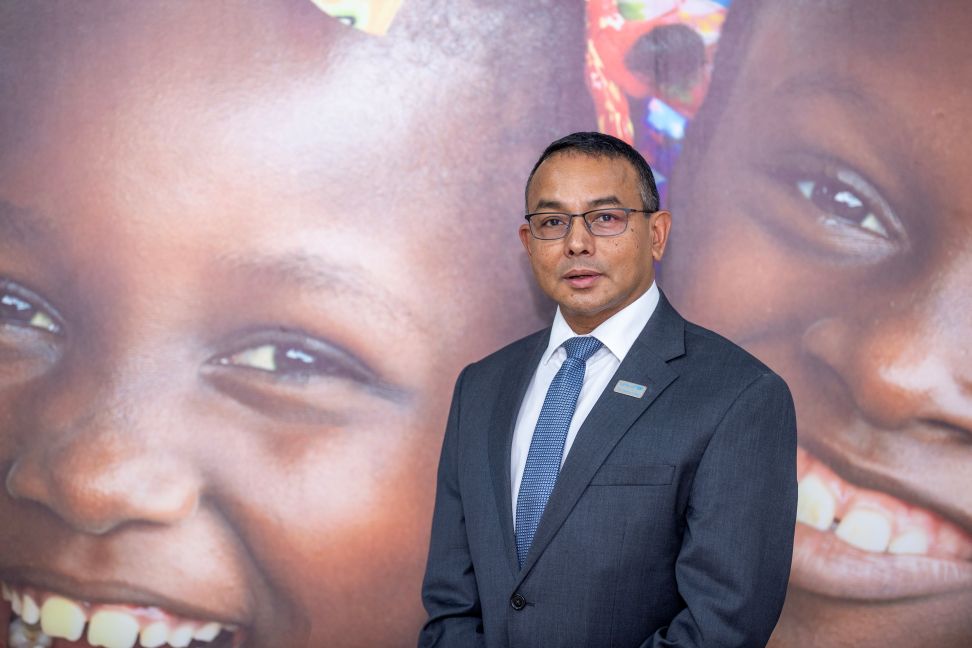 UNICEF Representative to Uganda, Dr Robin Nandy
UNICEF has urged schools to use only roadworthy, licensed vehicles for transporting learners following a series of fatal road crashes, saying every child has the right to travel to school and return home safely.
UNICEF has called for the use of only roadworthy vehicles to transport school children following a series of fatal road crashes that have claimed the lives of learners in Uganda.
In a statement issued on Tuesday, UNICEF said every child has the right to travel to school and return home safely, describing road safety as a child rights issue linked to survival, education and a safe environment.
The UN agency expressed condolences to families, schools and communities affected by the recent accidents, saying the deaths were preventable.
UNICEF welcomed the Government’s efforts to tighten enforcement of traffic regulations and the Ministry of Education and Sports’ decision to suspend school trips while strengthening guidelines governing school travel.
It said schools should use only roadworthy, licensed vehicles operated by qualified and well-rested drivers. The agency also urged schools to carry out proper risk assessments and ensure adequate teacher supervision throughout every journey.
UNICEF Representative to Uganda, Dr Robin Nandy, said no parent should send a child to school and never see them return home.
“These are preventable deaths, and every child lost on Uganda’s roads is one too many,” he said.
Beyond improving the condition of school transport vehicles, Dr Nandy called for stronger measures to reduce speeding near schools, provide safer pedestrian crossings and walkways, and improve emergency medical response following road crashes.
The agency noted that road traffic injuries remain the leading cause of death among children and adolescents aged between five and 19 globally, with low- and middle-income countries accounting for the highest burden.
It added that reducing vehicle speeds can significantly improve survival rates, noting that a child struck by a vehicle travelling at 30 kilometres per hour has a far greater chance of survival than one hit at 50 kilometres per hour.
Related Posts
 Uganda Coffee Roasters Tap Richard Rugaya as Executive Director, with Focus on Commercial Growth
 Why Africa’s Institutions Must Turn Knowledge and Investment into Farmer Prosperity
 Forbes ranks MTN Group third globally on best telecom employer list
 Stanbic experts offer investment insights to navigate current market uncertainty
 Africa Carbon Markets Urged to Turn Potential into Investment and Delivery
 Corporate Buyers Could Help Unlock SAF Market Worth Millions of Tonnes by 2030
Get business news delivered to you everyday
Latest News

SITA Acquisition of Collins Airport Solutions Signals Moves to Consolidate Aviation Technology

Uganda Coffee Roasters Tap Richard Rugaya as Executive Director, with Focus on Commercial Growth

Equity Bank Reports UGX37.6 Billion in Green Loans as Uganda Seeks to Scale Climate Investment

Why Africa’s Institutions Must Turn Knowledge and Investment into Farmer Prosperity

Forbes ranks MTN Group third globally on best telecom employer list

Stanbic experts offer investment insights to navigate current market uncertainty

Africa Carbon Markets Urged to Turn Potential into Investment and Delivery

Bank of Uganda hikes base rate from 9.75% to 12% amidst global tensions

Airbus sees USD420bn Global Aviation Services Boom: Can Africa Capture its Share?

Nile Breweries Celebrates 75 Years of Growing with Uganda