

Growth ambitions collide with debt reality in Uganda’s 2026/27 budget
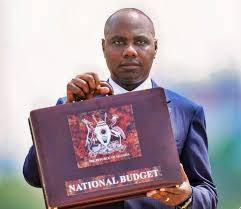
Uganda’s UGX84.4 trillion budget prioritises agriculture, infrastructure, wealth creation and oil-sector investments as government seeks faster economic growth, even as debt servicing continues to absorb a significant share of public resources.
Uganda has unveiled a UGX 84.4 trillion spending plan for fiscal 2026/27, betting heavily on agriculture, infrastructure, industrialisation and wealth-creation programmes as the government pursues an ambitious plan to transform the economy into a USD500 billion powerhouse by 2040.
Presenting his first budget as Finance Minister, Henry Musasizi outlined a spending plan anchored on the government’s Tenfold Growth Strategy and a theme focused on the “full monetisation” of the economy through commercial agriculture, industrialisation, services, digital transformation and improved market access.
The budget comes at a pivotal moment for Uganda. Economic growth is estimated at 6.4 percent for the current financial year, with the economy projected to reach USD69.3 billion by June 2026. Government expects growth to accelerate further as oil production nears, exports expand and investments in productive sectors begin to yield stronger returns.
At the heart of the new budget is a significant shift toward sectors expected to generate exports, jobs and household incomes.
Agriculture, long described as the backbone of the economy, received one of the largest boosts. Government allocated UGX2.26 trillion to agro-industrialisation, the highest level of funding the sector has received, targeting agricultural research, irrigation, extension services, agro-processing and market access.
The tourism sector will receive more than UGX567 billion to support destination marketing, tourism infrastructure, conservation and hospitality development as Uganda seeks to increase foreign exchange earnings and attract more visitors.
Science, technology and innovation programmes have also been prioritised, receiving more than Shs1 trillion to support innovation, digitisation and business process outsourcing. Mineral development, including oil and gas activities, will receive additional funding as the country prepares for first oil.
Infrastructure remains another major beneficiary. Government has allocated approximately UGX10.8 trillion for roads, railways, electricity, water and transport projects. The allocation reflects Kampala’s continued belief that infrastructure investment is essential for lowering the cost of doing business and supporting industrial growth.
Meanwhile, wealth creation programmes such as the Parish Development Model, Emyooga and youth-focused initiatives will receive about UGX2.5 trillion, reinforcing President Yoweri Museveni’s long-standing emphasis on moving households from subsistence production into the money economy.
The budget also provides for increased public sector salaries, with the government raising the wage bill to Shs9.7 trillion and continuing phased salary enhancements for teachers and other public servants.
Yet beneath the optimism lies a persistent fiscal challenge.
Uganda’s public debt stood at approximately UGX126 trillion (USD34.86 billion) as of December 2025, equivalent to about 53 percent of GDP. While government maintains that the debt remains sustainable, debt servicing continues to consume about 40 percent of the budget.
Parliament’s Budget Committee estimates that debt obligations will absorb more than UGX33 trillion during the financial year, making debt servicing the single largest expenditure item in the national budget.
This reality highlights the balancing act facing policymakers. While the budget directs resources toward productive sectors expected to drive future growth, the pressure of debt repayments limits the government’s fiscal space and its ability to expand spending in areas such as health, education and social protection.
For businesses, however, the budget sends a clear signal. Government is prioritising sectors capable of generating exports, attracting investment and creating jobs. Agriculture, tourism, manufacturing, technology and energy are expected to remain at the centre of Uganda’s economic strategy over the coming years.
Whether the Shs84.4 trillion spending plan succeeds will ultimately depend not only on allocations but also on implementation. Uganda has no shortage of ambitious plans. The challenge, as always, will be translating budget promises into measurable economic outcomes for households and businesses across the country.
Related Posts
 SITA Acquisition of Collins Airport Solutions Signals Moves to Consolidate Aviation Technology
 Uganda Coffee Roasters Tap Richard Rugaya as Executive Director, with Focus on Commercial Growth
 Equity Bank Reports UGX37.6 Billion in Green Loans as Uganda Seeks to Scale Climate Investment
 Why Africa’s Institutions Must Turn Knowledge and Investment into Farmer Prosperity
 Stanbic experts offer investment insights to navigate current market uncertainty
 Africa Carbon Markets Urged to Turn Potential into Investment and Delivery
Get business news delivered to you everyday
Latest News

SITA Acquisition of Collins Airport Solutions Signals Moves to Consolidate Aviation Technology

Uganda Coffee Roasters Tap Richard Rugaya as Executive Director, with Focus on Commercial Growth

Equity Bank Reports UGX37.6 Billion in Green Loans as Uganda Seeks to Scale Climate Investment

Why Africa’s Institutions Must Turn Knowledge and Investment into Farmer Prosperity

Forbes ranks MTN Group third globally on best telecom employer list

Stanbic experts offer investment insights to navigate current market uncertainty

Bank of Uganda hikes base rate from 9.75% to 12% amidst global tensions

Corporate Buyers Could Help Unlock SAF Market Worth Millions of Tonnes by 2030

Airbus sees USD420bn Global Aviation Services Boom: Can Africa Capture its Share?

Nile Breweries Celebrates 75 Years of Growing with Uganda