

Equity Bank, UKAID launch affordable electric cooking finance to accelerate clean energy transition in Uganda
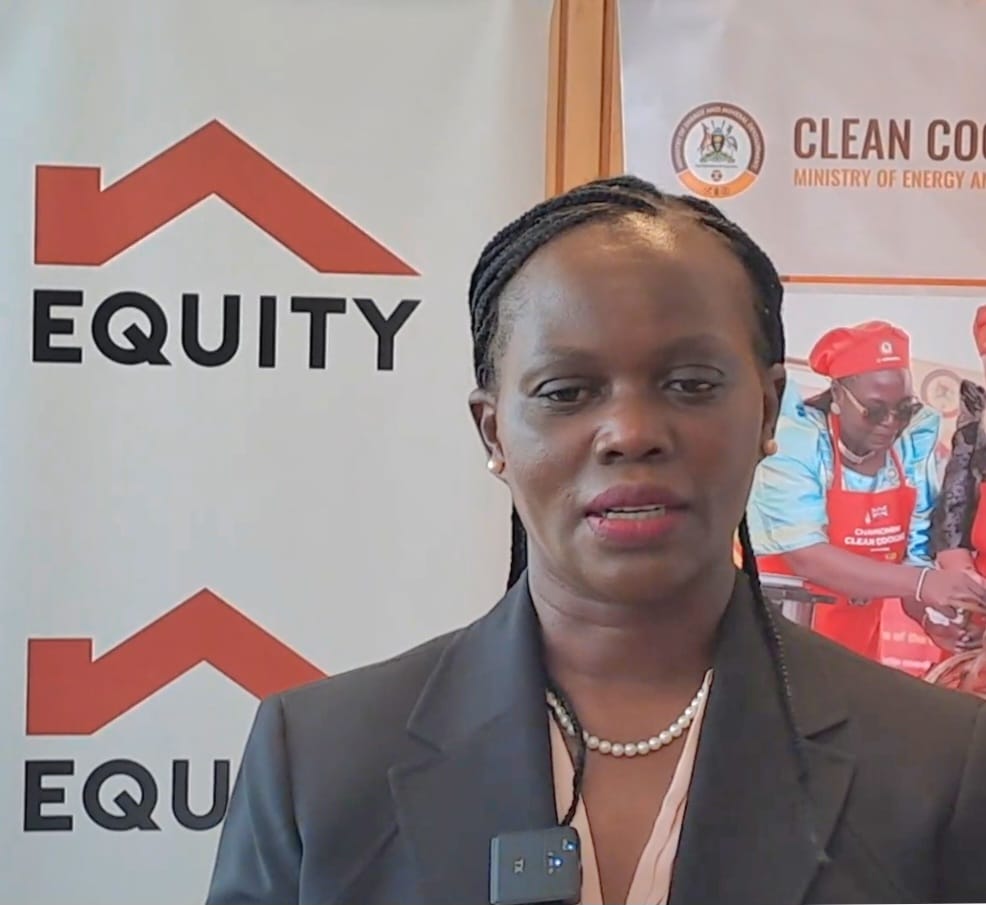
Equity Bank Uganda, in partnership with UKAID and the Ministry of Energy, has launched the MECS Trust Fund to provide affordable financing for electric cooking technologies, aiming to accelerate clean cooking adoption, strengthen supply chains and reduce reliance on charcoal and firewood.
Equity Bank Uganda, in partnership with UKAID and the Ministry of Energy and Mineral Development, has launched a new financing facility aimed at accelerating the adoption of electric cooking solutions across the country, addressing one of Uganda’s most persistent clean energy challenges.
The initiative, known as the Modern Energy Cooking Services (MECS) Trust Fund, was unveiled during a stakeholder information session at the Four Points by Sheraton Kampala Hotel, bringing together government officials, development partners, private sector players and electric cooking companies.
The Fund is designed to unlock affordable financing for households, small and medium enterprises, micro businesses, importers, manufacturers and institutions involved in electric cooking technologies, a sector that has struggled with high upfront costs and limited access to working capital.
Speaking at the launch, Catherine Psomgen, Equity Bank Uganda’s Director for Public Sector and Social Investments, said the financing facility recognises that affordability in cooking goes beyond electricity tariffs alone.
“Today we have launched e-cooking financing to support Ugandan businesses to operate more efficiently and competitively. We recognise that electricity costs are a concern, but affordability is about the total cost of cooking, not electricity alone,” Psomgen said.
She added that by managing the MECS Trust Fund, Equity Bank will provide businesses with the capital needed to scale operations while enabling households to shift to cleaner, safer and more cost-effective cooking methods.
“This partnership demonstrates how financial institutions can collaborate with government and development partners to create sustainable impact,” she said.
The Minister of State for Energy, Okaasai Opolot, welcomed the Fund, noting that the high cost of electric cooking appliances and limited availability have slowed adoption across the country.
“The main challenges experienced in implementing eCooking in Uganda are the unavailability of the technology and the lack of funding to facilitate importation of appliances,” Okaasai said. “The launch of this Trust Fund is timely, as it directly addresses these bottlenecks by making financing available to suppliers.”
UKAID’s Climate and Energy Policy Officer, Lydia Nandawula, said the initiative reflects the United Kingdom’s long-term commitment to Uganda’s clean cooking transition, framing it as not only a climate priority but also a development, health, gender and economic opportunity.
“It addresses a specific bottleneck that many of you have consistently raised — access to short-term working capital that allows viable eCooking businesses to grow, stock appliances and meet demand in a commercially sustainable way,” Nandawula said.
The MECS Trust Fund is financed by the British High Commission through UKAID under the Foreign, Commonwealth and Development Office (FCDO) and is being implemented by Equity Bank Uganda in partnership with the Ministry of Energy and Mineral Development.
Under the facility, eligible households, businesses and institutions can access financing ranging from UGX 10 million to over UGX 500 million. Equity Bank Uganda, as the implementing financial partner, will provide working capital and bridge financing to electric cooking companies to help expand operations, strengthen supply chains and improve nationwide access to modern appliances.
The initiative directly supports Uganda’s National eCooking Strategy, which seeks to reduce reliance on traditional fuels such as charcoal and firewood, while advancing environmental protection, improved public health outcomes and gender equality.
Uganda has already taken key policy steps to support clean cooking, including the introduction of a dedicated cooking electricity tariff by the Electricity Regulatory Authority in 2021 and the launch of the National eCooking Strategy in 2023. At COP28, the country reaffirmed its commitment to scaling electric cooking, setting a target of 18 percent adoption by 2030.
In the long term, the MECS Trust Fund is expected to raise awareness within the electric cooking market, strengthen public-private partnerships and improve access to affordable financing — contributing to reduced carbon emissions, preservation of natural resources and improved livelihoods across Uganda.
Related Posts
 Stanbic Seeks Northern Uganda Business Feedback as It Marks 35 Years in Country
 Uganda Emerges as Africa’s Largest Organic Farming Country as Exports Reach USD225 Million
 SITA Acquisition of Collins Airport Solutions Signals Moves to Consolidate Aviation Technology
 Uganda Coffee Roasters Tap Richard Rugaya as Executive Director, with Focus on Commercial Growth
 Equity Bank Reports UGX37.6 Billion in Green Loans as Uganda Seeks to Scale Climate Investment
 Why Africa’s Institutions Must Turn Knowledge and Investment into Farmer Prosperity
Get business news delivered to you everyday
Latest News

Stanbic Seeks Northern Uganda Business Feedback as It Marks 35 Years in Country

Uganda Emerges as Africa’s Largest Organic Farming Country as Exports Reach USD225 Million

SITA Acquisition of Collins Airport Solutions Signals Moves to Consolidate Aviation Technology

Uganda Coffee Roasters Tap Richard Rugaya as Executive Director, with Focus on Commercial Growth

Equity Bank Reports UGX37.6 Billion in Green Loans as Uganda Seeks to Scale Climate Investment

Forbes ranks MTN Group third globally on best telecom employer list

Stanbic experts offer investment insights to navigate current market uncertainty

Africa Carbon Markets Urged to Turn Potential into Investment and Delivery

Bank of Uganda hikes base rate from 9.75% to 12% amidst global tensions

Corporate Buyers Could Help Unlock SAF Market Worth Millions of Tonnes by 2030