

COMESA Flags WBeauty Shampoo Recall in Three Member States
Regional consumer watchdog alerts consumers in Eswatini, Zambia and Mauritius over specific batch of Woolworths clarifying shampoo
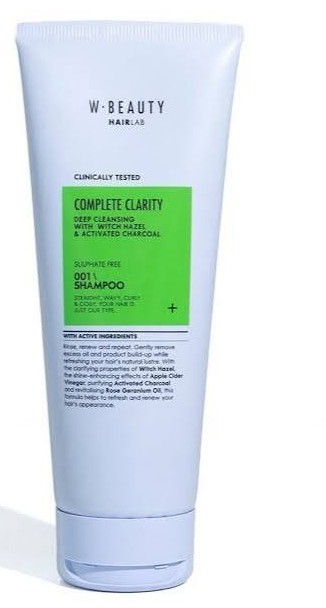
Consumers in three COMESA member states have been warned about a voluntary recall of a specific batch of Woolworths’ WBeauty Complete Clarifying Shampoo after the product was found to contain a bacterium that could pose a health risk to people with weakened immune systems.
The alert by the COMESA Competition and Consumer Commission (CCCC) covers the 250ml WBeauty Complete Clarifying Shampoo and follows information provided to the regional regulator by Woolworths (Pty) Ltd.
The affected product was distributed within the COMESA region in Eswatini, Zambia and Mauritius, turning what might otherwise have been a national product-safety issue into a cross-border consumer protection matter.
According to the CCCC notice dated September 11, the recall was initiated after the presence of Pluralibacter gergoviae was identified in a specific batch of the shampoo.
The bacterium can occur in wet manufacturing environments and, according to the regulator, may pose a risk of bacterial infection to consumers with compromised or weakened immune systems.
The CCCC has therefore urged consumers who purchased the affected product to return it to their nearest Woolworths store for a full refund.
Importantly, the alert relates to a specific batch of the product, rather than a recall of all WBeauty Complete Clarifying Shampoo.
The product can be identified by its name and 250ml packaging, with the CCCC notice providing SKU number 6009233284823 for identification.
A regional consumer-protection test
The recall highlights one of the less visible challenges created by increasingly integrated regional markets where products can cross several borders before a safety concern emerges, requiring regulators to communicate quickly across jurisdictions.
For the CCCC, which has a mandate covering competition and consumer protection across the COMESA market, the incident highlights the relevance of supranational consumer watchdogs and the importance of regional information-sharing.
The affected shampoo was distributed in three member states—Eswatini, Zambia and Mauritius—meaning that consumers in different national markets need access to the same safety information and remedy.
The notice also demonstrates the distinction between a product recall by a manufacturer or retailer and regulatory enforcement. In this case, Woolworths initiated a voluntary recall and subsequently informed the regional competition and consumer authority.
The CCCC says its role is to bring the information to the attention of consumers within its regional mandate.
Why the warning matters
The potential risk is concentrated among consumers whose immune systems are compromised or weakened, but the regulator’s warning provides a wider consumer-protection lesson. Personal-care products, although not generally regarded in the same way as food or medicines, can present safety concerns when manufacturing or storage conditions allow microbial contamination.
The CCCC has advised consumers with the affected product to use the recall mechanism rather than continue using it. The regulator has also published information identifying the affected product and outlining the options available to consumers. For consumers, the immediate issue is therefore identification.
Anyone who has purchased the affected WBeauty Complete Clarifying Shampoo in the three named COMESA markets should check the product against the recall information and, where it is part of the affected batch, return it to Woolworths for a full refund.
The episode also puts greater emphasis on the practical side of regional integration. COMESA’s vision of a common market depends not only on the movement of goods, capital and services across borders, but also on systems capable of protecting consumers when something goes wrong.
A product moving across borders can create a corresponding need for cross-border consumer alerts, coordinated recalls and consistent access to remedies. In this case, the regional alert allows the same safety concern to be communicated beyond the market in which the recall originated.
For consumers in Eswatini, Zambia and Mauritius, the message is straightforward. The recall concerns a particular batch of WBeauty Complete Clarifying Shampoo, and affected products should be returned for a full refund.
For the regional market, however, the episode offers a broader reminder that integration brings responsibilities alongside commercial opportunity, including the responsibility to ensure that consumers are protected when products cross borders.
Related Posts
 Kalangala’s Oil Palm Economy Expands as Lenders Deepen Farmers’ Access to Finance
 AFRAA sees Government Action, Partnerships as Key to Unlocking African Airlines’ Potential amid Surging Demand
 COMESA Competition Agency reopens Tender for Lilongwe HQ Complex
 Air Tanzania Moscow Suspension Highlights rising Geopolitical Risks for African Airlines
 Uganda Airlines Separates CEO and Accountable Manager Roles in Major Leadership Reset
 Boeing Holds Bullish Africa Aviation Outlook as Fleet Set to More than Double by 2045
Get business news delivered to you everyday
Latest News

COMESA Flags WBeauty Shampoo Recall in Three Member States

Kalangala’s Oil Palm Economy Expands as Lenders Deepen Farmers’ Access to Finance

AFRAA sees Government Action, Partnerships as Key to Unlocking African Airlines’ Potential amid Surging Demand

COMESA Competition Agency reopens Tender for Lilongwe HQ Complex

TAAG Joins Westbrook Racing as Race Partner for Luanda E1 Grand Prix

IFAD, Equity Launch USD200m Mechanism to Take Climate Finance to East Africa’s Farmers

Air Tanzania Moscow Suspension Highlights rising Geopolitical Risks for African Airlines

Uganda Airlines Separates CEO and Accountable Manager Roles in Major Leadership Reset

Inside Dr Silver Mugisha and NWSC’s Long Game to Keep Kampala’s Taps Running into the Future

Oil Money’s First Test Will be Uganda’s Ability to Stop it Leaking Through Flawed Procurement