

Airbus holds firm on to 820-aircraft delivery target as revenues climb to €47.4 Billion
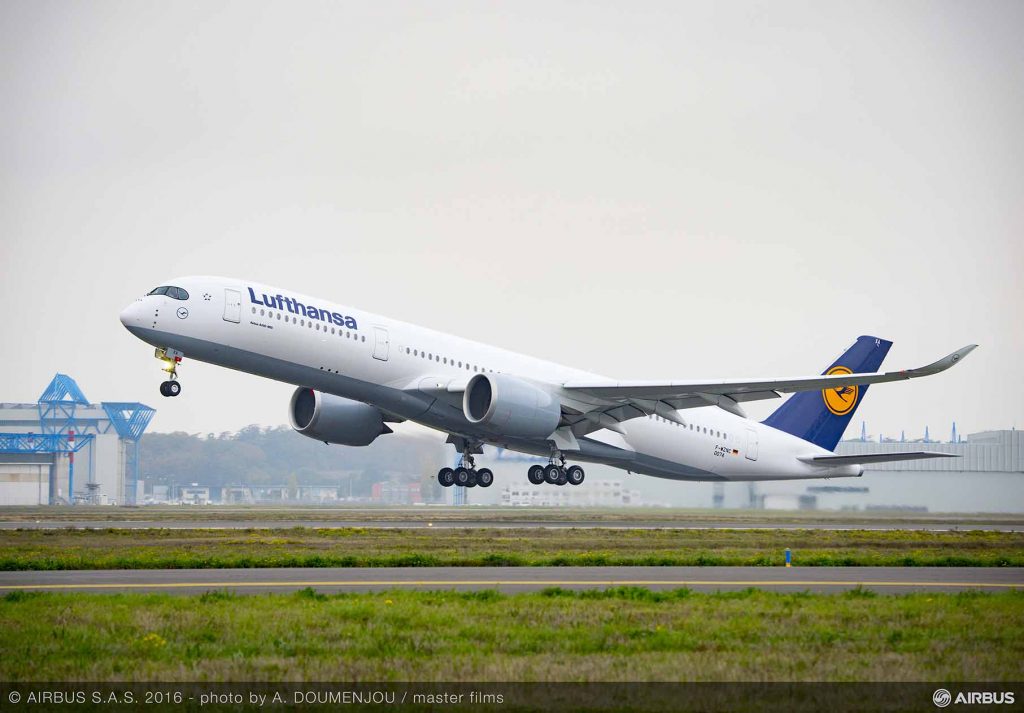
Airbus SE has reaffirmed its full-year delivery target of 820 aircraft after reporting solid nine-month results marked by strong revenue growth, stable profitability, and continued progress across its Defence and Space and Helicopters divisions.
The European aerospace giant delivered 507 commercial aircraft between January and September 2025, compared to 497 during the same period last year. Consolidated revenues rose 7pc year-on-year to €47.4 billion, while adjusted earnings before interest and taxes (EBIT) climbed to €4.1 billion from €2.8 billion in 2024. Reported EBIT stood at €3.4 billion, translating to earnings per share of €3.34.
Chief Executive Officer Guillaume Faury described the results as “solid” in a statement from the company’s Amsterdam headquarters. He noted that deliveries remained “backloaded amid a complex and dynamic operating environment” but said Airbus was expanding its industrial capacity to support its ambitious commercial aircraft ramp-up. Faury also highlighted progress in consolidating Airbus’ European space business through partnerships with Leonardo and Thales, aimed at creating a new continental leader in the space market. The company confirmed that it is maintaining its 2025 guidance, now including the impact of currently applicable tariffs.
Gross commercial aircraft orders for the first nine months totalled 610 units, with 514 net orders after cancellations. Airbus’ order backlog at the end of September stood at 8,665 aircraft, underscoring strong market demand. The A320 Family remains the company’s backbone, with production ramping up toward 75 aircraft per month by 2027. Airbus also confirmed a revised trajectory for the A220 programme, now targeting rate 12 in 2026 to reflect market conditions. The A330 line is stabilising at four aircraft per month with a plan to reach five by 2029, while A350 production is on course to achieve rate 12 in 2028.
Revenues from commercial aircraft activities increased 3pc to €33.9 billion, driven by higher deliveries and the growth of aftermarket services. Airbus Helicopters continued its strong performance with revenues up 16pc to €5.7 billion, supported by programme execution and growth in support services. Deliveries in the segment rose to 218 units from 190 a year earlier. The Defence and Space division also recorded gains, with revenues up 17pc to €8.9 billion, reflecting higher volumes across its business lines. EBIT Adjusted for the division reached €420 million, a major turnaround from a loss of €661 million in the previous year.
Airbus ended September with a net cash position of €7 billion and a gross cash balance of €21.3 billion, compared to €26.9 billion at the end of 2024. Free cash flow before customer financing was negative €914 million, reflecting inventory build-up to support fourth-quarter deliveries and the ongoing production ramp-up.
Looking ahead, Airbus expects a stable global trade and supply chain environment for the remainder of the year. The company continues to target approximately 820 aircraft deliveries, adjusted EBIT of around €7 billion, and free cash flow before customer financing of about €4.5 billion. It also expects the integration of certain Spirit AeroSystems work packages—anticipated to close later this year—to have only a limited effect on its overall guidance.
“Our long-term fundamentals remain strong,” Faury said. “We are committed to delivering on our ramp-up plans and supporting our customers with reliable, sustainable, and innovative aircraft.”
Related Posts
 Equity Wraps up Uganda Leg of Regional Trade Mission as Value Addition Drive Gains Traction
 Independence Marathon Turns to Blood Storage Gap in Maternal Health Drive
 Fine Spinners Injects Fresh USD5m Into Technology as Uganda Textile Maker Targets African, European Markets
 Equity Trade Mission Puts Uganda’s Manufacturing Capacity to Regional Test
 Uganda Green Entrepreneurs Set for Paris Visit as Stanbic-France Partnership Graduates 106
 Entebbe Airport Passenger Traffic Recovers in August but Remains Below 2025 Levels
Get business news delivered to you everyday
Latest News

Equity Wraps up Uganda Leg of Regional Trade Mission as Value Addition Drive Gains Traction

JPMorgan Abandons Oil Price Baseline as Iran Conflict Deepens Market Uncertainty

Frankfurt Airport Malaria Outbreak Raises Questions Over Aviation-Related Health Risks

What Maps Communicate: UN Resolution Challenges World Maps that Make Africa Look Smaller

Independence Marathon Turns to Blood Storage Gap in Maternal Health Drive

Fine Spinners Injects Fresh USD5m Into Technology as Uganda Textile Maker Targets African, European Markets

Equity Trade Mission Puts Uganda’s Manufacturing Capacity to Regional Test

Uganda Seeks to Calm Coffee, Cocoa Markets as Global Prices Fluctuate on Positive Sentiment

Uganda Green Entrepreneurs Set for Paris Visit as Stanbic-France Partnership Graduates 106

Nile Breweries, Next Media Renew Road Safety Push with Focus on Boda Boda Riders