

Airbus, Boeing Double Down on Capacity Building in Africa
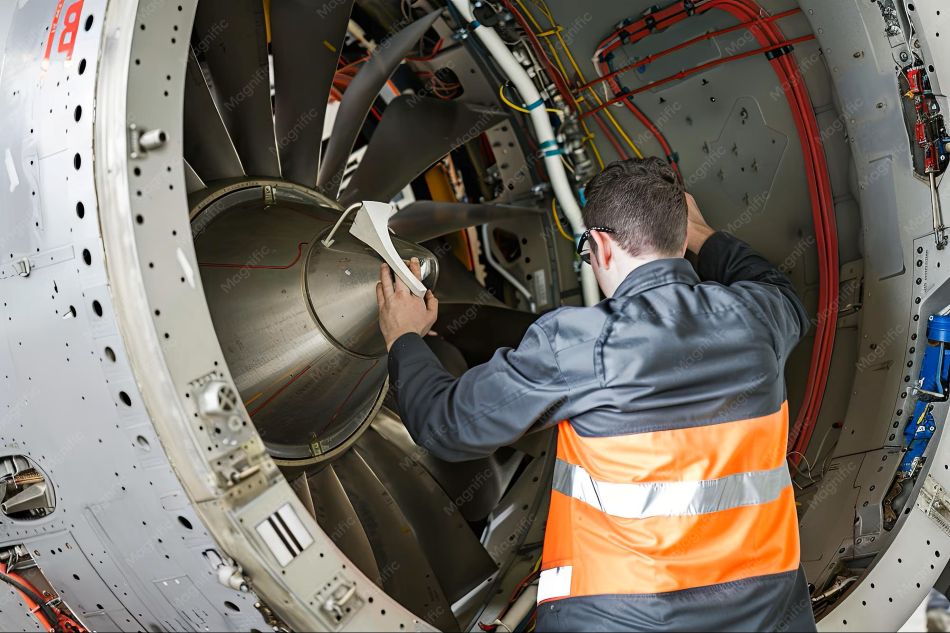
Airbus and Boeing have rolled out parallel training programmes in Ethiopia and Nigeria as aircraft manufacturers step up efforts to close Africa’s aviation skills gap. The initiatives target both executive leadership and engineering talent, amid projections that the continent will need more than 60,000 new aviation professionals over the next two decades.
The world’s two largest aircraft manufacturers, Airbus and Boeing, are intensifying efforts to strengthen Africa’s aviation workforce through parallel human capital development programmes in Eastern and West Africa, underscoring a strategic shift from aircraft sales to long-term ecosystem building.
The initiatives come at a time when African aviation is entering a prolonged growth cycle, but remains constrained by shortages of skilled personnel across engineering, flight operations and maintenance disciplines.
According to Boeing’s 20-year market outlook, Africa will require about 63,000 new aviation professionals over the next two decades. This includes 19,000 pilots, 24,000 cabin crew and 20,000 technicians, alongside aviation services opportunities estimated at US$235 billion.
The manufacturer also projects that the continent will need 1,030 new aircraft worth about US$160 billion over the same period, more than doubling the current fleet from roughly 740 aircraft to 1,560 by 2044.
Yet industry stakeholders warn that the pace of workforce development has not kept up with the scale of expansion, forcing airlines to rely on expatriate expertise or offshore training pipelines to fill critical gaps.
It is against this backdrop that Airbus and Boeing have announced separate but complementary training interventions in Ethiopia and Nigeria, targeting different layers of the aviation talent pipeline.
Airbus targets leadership pipeline in Ethiopia
In Addis Ababa, Airbus has launched an Advanced Master programme in Aeronautical Management for 30 senior professionals drawn from Ethiopian Airlines, Africa’s largest carrier.
The two-year programme is being delivered in partnership with France’s National School of Civil Aviation (ENAC) and ISAE-SUPAERO, two of Europe’s leading aerospace institutions. Participants include senior executives and maintenance, repair and overhaul (MRO) managers.
The curriculum blends aviation business management with technical and operational modules, delivered through 12 intensive sessions at Ethiopian Airlines University. It concludes with a six-month internship designed to apply learning to real operational challenges within the airline.
Gabriel Semelas, President of Airbus Africa and the Middle East, said the programme reflects the manufacturer’s long-term commitment to developing aviation leadership capacity on the continent.
“Ethiopian Airlines has always committed to providing world-class aviation training. We take great pride in establishing this academic partnership with them and contributing to the training of tomorrow’s aeronautical teams,” he said.
Ethiopian Airlines Group Chief Executive Officer Mesfin Tasew said the initiative aligns with the carrier’s strategy of investing in people to sustain its position as a continental hub and global competitor.
The programme also builds on Airbus’ long-standing relationship with Ethiopian Airlines, which operates 26 A350 aircraft and has additional orders in the pipeline.
Boeing focuses on engineering skills in Nigeria
In West Africa, Boeing has launched an advanced engineering training programme in Nigeria aimed at strengthening technical and maintenance capability within the country’s expanding airline sector.
The programme, which runs from June 16 to July 29, provides specialised systems training for 16 engineers drawn from United Nigeria Airlines and ValueJet. Participants will receive European Union Aviation Safety Agency (EASA) theoretical certification upon completion, with a second intake planned later in the year.
Training covers Boeing’s Next-Generation 737 platform, including avionics, airframe systems, powerplants, electrical systems, maintenance procedures and operational best practices. It also includes modules on safety management, human factors and regulatory compliance under EASA Part 66 standards.
According to Boeing, the initiative is part of a broader cooperation framework with Nigeria’s Federal Ministry of Aviation and Aerospace Development, formalised through a 2024 memorandum of understanding aimed at strengthening technical capability across the sector.
“Investing in technical capability and safety leadership is essential to supporting the sustainable growth and resilience of Africa’s aviation sector,” said Anbessie Yitbarek, Vice President of Sales and Marketing for Africa at Boeing Commercial Airplanes.
Nigeria, he added, remains one of the continent’s most strategically important aviation markets, with growing demand for skilled engineers to support expanding fleets and improve operational reliability.
Boeing is also extending field service support to several Nigerian carriers, including Air Peace, Arik Air, Aero Contractors, Max Air, ValueJet and United Nigeria Airlines.
The parallel initiatives reflect a broader structural shift in global aviation engagement with Africa. While aircraft orders, airport expansion and new routes often dominate industry headlines, workforce development is increasingly emerging as a critical constraint on growth.
Despite strong demand growth projections, many African aviation markets continue to face persistent shortages of specialised technical skills, particularly in aircraft maintenance, engineering and systems operations.
This has created operational bottlenecks for airlines and increased dependence on foreign expertise, raising costs and limiting local capacity development.
For manufacturers, however, investment in human capital is increasingly seen as strategic rather than philanthropic. Better-trained personnel improve aircraft utilisation rates, enhance safety outcomes and reduce downtime—factors that ultimately strengthen the long-term performance of their own products in African markets.
The approaches adopted by Airbus and Boeing also reflect different segments of the talent pipeline.
Airbus is focusing on senior leadership and strategic management capacity through postgraduate-level training, while Boeing is targeting frontline engineering and maintenance skills critical to daily airline operations.
Together, the programmes signal a gradual repositioning of global aerospace manufacturers—from transactional aircraft suppliers to long-term partners in institutional capacity building.
Related Posts
 SITA Acquisition of Collins Airport Solutions Signals Moves to Consolidate Aviation Technology
 Uganda Coffee Roasters Tap Richard Rugaya as Executive Director, with Focus on Commercial Growth
 Equity Bank Reports UGX37.6 Billion in Green Loans as Uganda Seeks to Scale Climate Investment
 Nile Breweries Celebrates 75 Years of Growing with Uganda
 Stanbic installs solar power system at Mbale School for the Deaf
 Airbus-Kratos Valkyrie Unmanned Combat Aircraft Completes First Flight Ahead of 2029 Combat Target
Get business news delivered to you everyday
Latest News

SITA Acquisition of Collins Airport Solutions Signals Moves to Consolidate Aviation Technology

Uganda Coffee Roasters Tap Richard Rugaya as Executive Director, with Focus on Commercial Growth

Equity Bank Reports UGX37.6 Billion in Green Loans as Uganda Seeks to Scale Climate Investment

Why Africa’s Institutions Must Turn Knowledge and Investment into Farmer Prosperity

Forbes ranks MTN Group third globally on best telecom employer list

Stanbic experts offer investment insights to navigate current market uncertainty

Africa Carbon Markets Urged to Turn Potential into Investment and Delivery

Bank of Uganda hikes base rate from 9.75% to 12% amidst global tensions

Corporate Buyers Could Help Unlock SAF Market Worth Millions of Tonnes by 2030

Airbus sees USD420bn Global Aviation Services Boom: Can Africa Capture its Share?