

Airbus A350F Freighter Takes Flight as Cargo Market Shifts Toward Newer, More Efficient Aircraft
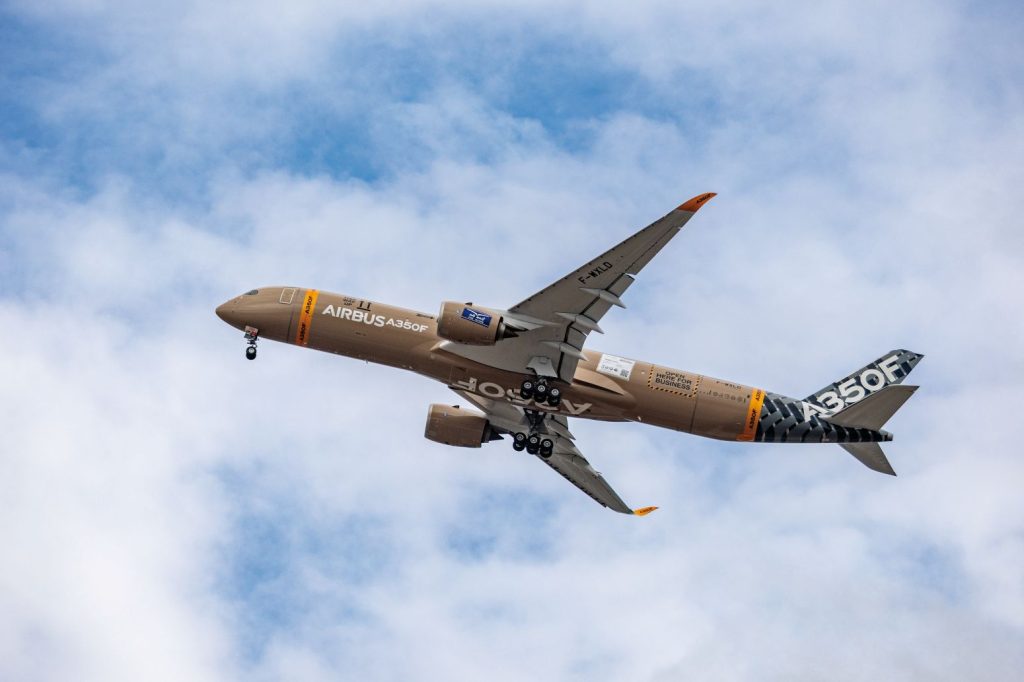
Airbus has begun flight testing of the A350F freighter after its maiden flight in Toulouse, advancing a new-generation cargo aircraft with up to 111 tonnes of payload and 8,700km range.
Airbus has completed the maiden flight of its A350F freighter, marking the start of a flight-test campaign for the new-generation widebody cargo aircraft as manufacturers and operators look to replace ageing freighter fleets with more fuel-efficient aircraft.
The first of two A350F test aircraft, MSN 700, flew for four hours and 10 minutes, reaching 25,000 feet. The flight was conducted by an Airbus test crew and focused on basic airworthiness, flying qualities and the performance of the aircraft’s fundamental systems.
The maiden flight begins a flight-test programme expected to run for more than nine months.
The second prototype, MSN 701, is in the final stages of assembly and is expected to enter the paint shop in the coming weeks.
The A350F is based on Airbus’ A350 platform but has been designed specifically for cargo operations. Airbus says the aircraft will have a range of up to 8,700 kilometres and a payload capacity of up to 111 tonnes, positioning it for long-haul international freight operations.
More than 70% of the aircraft is made from advanced materials, contributing to a maximum take-off weight that Airbus says is 46 tonnes lower than that of competing aircraft with comparable payload-range capabilities.
The aircraft is powered by Rolls-Royce Trent XWB-97 engines, the same basic engine used on the A350-1000 passenger aircraft. Rolls-Royce says the engine has accumulated more than 4.5 million flying hours over eight years of A350-1000 operations.
That operational experience is being carried into the freighter programme, although the A350F will operate different mission profiles from passenger aircraft, including different payloads, stage lengths and utilisation patterns.
Airbus says the A350F is expected to deliver fuel-consumption and carbon-emissions reductions of up to 40pc compared with competing aircraft with similar payload-range capability. It is also designed to meet the latest International Civil Aviation Organization (ICAO) CO₂ emissions standards.
The programme has already built a significant order book. At the end of August, Airbus reported 115 A350F orders from 14 disclosed customers, giving the aircraft up to 59pc of the large-freighter market by order share, according to the manufacturer.
The first flight nevertheless marks the beginning rather than the completion of the programme. The test campaign will progressively expand from basic aircraft handling and systems checks to the broader performance and certification requirements needed before the A350F enters commercial service.
For Rolls-Royce, the flight also represents the Trent XWB-97’s entry into the freighter market after establishing itself on the A350-1000 passenger aircraft.
Ian Smith, Chief Engineer for the Trent XWB, said the engine’s existing operating record provided a basis for assessing the demands of the freighter mission.
“The freighter mission is different. The engine challenge is not,” Smith said.
Rolls-Royce is also developing an upgrade programme for the Trent XWB-97, with the company saying improvements are expected to support up to six years of time on wing from 2028.
The A350F’s development comes as cargo operators face pressure to improve fuel efficiency while maintaining payload and long-haul range. The aircraft’s commercial proposition will therefore depend not only on its headline payload and range figures, but also on how its operating economics, reliability and maintenance performance translate into airline and cargo-network operations.
Related Posts
 Equity Turns Schools into Climate Restoration Hubs as Lender Launches 200,000-tree Uganda drive
 Entebbe-Based Jet Fresh Cargo Takes Ugandan Air Freight into Global Awards Contest
 DHL Launches Direct Bahrain-Johannesburg Freighter Service
 Equity Wraps up Uganda Leg of Regional Trade Mission as Value Addition Drive Gains Traction
 Independence Marathon Turns to Blood Storage Gap in Maternal Health Drive
 Fine Spinners Injects Fresh USD5m Into Technology as Uganda Textile Maker Targets African, European Markets
Get business news delivered to you everyday
Latest News

Airbus A350F Freighter Takes Flight as Cargo Market Shifts Toward Newer, More Efficient Aircraft

Uganda Architects to Celebrate 60 Years as Profession Confronts a Technology-driven Future

Africa Moves to Implement ‘Correct the Map’ Resolution as Equal Earth Cartographers Pledge Support

Oyo Nyimba: The King Who Made Tooro Feel Close to the World

In Karamoja, an 80-day Sorghum Variety Offers a Different Response to Drought

UNBS Seizes 17,770 Litres of Illicit Alcohol as Kenya Deaths Raise Regional Concern

Why Unlocking Africa’s Next Mining Powerhouse Requires Strong Financial Partnerships

Relief as UAE Eases Ebola-era Entry Curbs on Ugandans, Reopening Key Aviation Corridor

Equity Turns Schools into Climate Restoration Hubs as Lender Launches 200,000-tree Uganda drive

13 Feared Killed as Tracep Aviation L-410 Crashes in DRC