

After Four Years on Remand and a Career in Ruins, Court Acquits Doctor After Prosecution Fails to Prove Rape Case
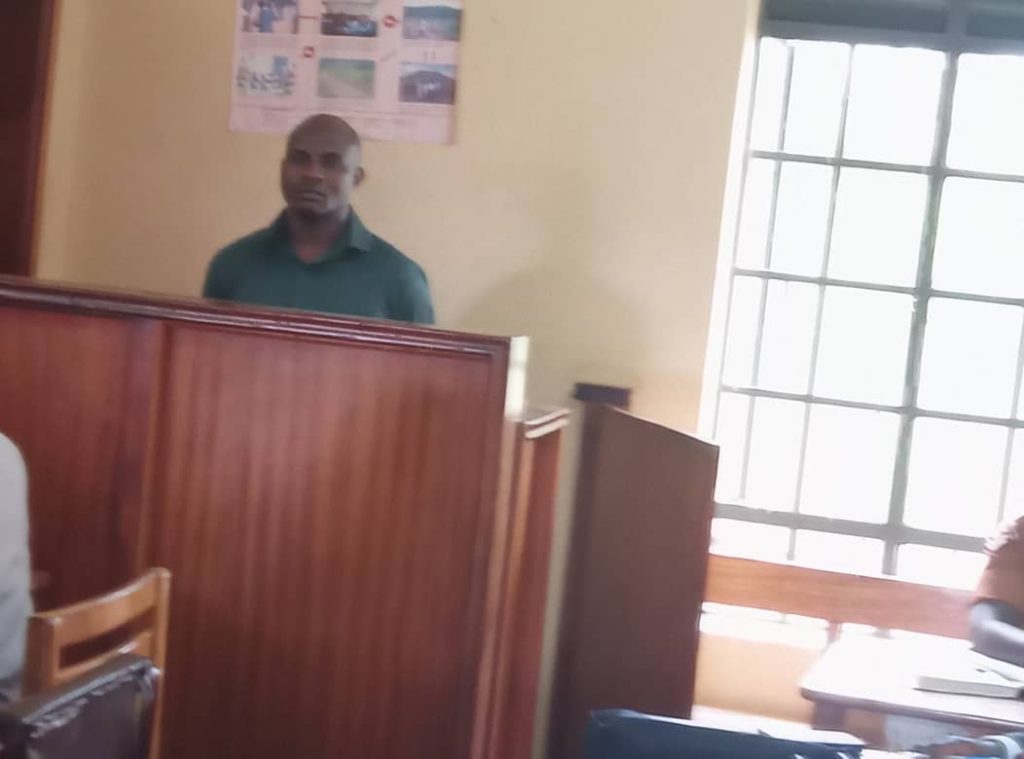
After spending four years on remand, former Mutolere Hospital doctor Dr Gilvaz Atwiine has been acquitted of rape and incest charges after the High Court ruled that prosecutors failed to prove their case, raising fresh questions about investigative standards and the cost of prolonged criminal prosecutions.
A Bushenyi High Court judge has acquitted medical doctor Dr Gilvaz Atwiine of rape and incest charges after ruling that the prosecution failed to present sufficient evidence, ending a four-year legal ordeal that has reignited debate over the consequences of prolonged criminal prosecutions and the accountability of investigative agencies.
Justice Amos Kwizira, sitting at the High Court in Bushenyi, on Monday ordered Dr Atwiine’s immediate release after finding that the state had failed to prove its case beyond reasonable doubt.
The discharge order, seen by 256 Business News, acquitted the doctor of both rape and incest charges and directed that he be released unless held on other lawful grounds.
The ruling brings to a close a case that began in June 2022 when Dr Atwiine, then a medical practitioner at Mutolere Hospital, was arrested following allegations that he had sexually assaulted his biological daughter.
According to defence lawyer Michael Kasenene, the allegations emerged after the teenager, then a student at Bweranyangi Girls’ Secondary School, returned for the second school term and was reportedly found to have undergone an incomplete abortion.
Kasenene said school officials initially alleged that the girl implicated her father while receiving treatment. However, after recovering, she later recorded a statement with police denying that accusation and instead admitted to having relationships with boyfriends.
During the trial, the defence says, the complainant again denied ever having sexual relations with her father and testified that an earlier statement implicating him had been written under duress.
Justice Kwizira ruled that the prosecution failed to adduce sufficient evidence capable of sustaining a conviction.
He also dismissed allegations circulating outside court that judicial officers had been bribed to influence the outcome, describing such claims as false and warning that anyone making them should face arrest.
For Dr Atwiine, the acquittal marks the end of four years spent on remand at Nyamushekyera Government Prison, a period that effectively halted his medical career and damaged his professional reputation.
His lawyer said the defence team will now consult the doctor on whether to pursue civil proceedings against the state.
“We are going to consult our client about the possibility of suing the state for malicious prosecution, loss of time and the reputational damage he suffered while battling charges that ultimately could not be proved,” Kasenene told journalists after the ruling.
He further noted that several individuals whom the prosecution had identified as key witnesses—including the deputy head teacher, the senior woman teacher and a nurse who allegedly received the initial report—did not testify during the trial.
The Bushenyi District Probation Officer appeared as a prosecution witness, but the complainant reportedly disowned statements attributed to her.
The case also underwent several changes during the prosecution. According to the defence, the Director of Public Prosecutions initially amended the charges, but rape charges were later reinstated before the matter proceeded to full trial in late 2025.
Legal analysts say the ruling underscores the importance of thorough investigations before suspects are committed to trial, particularly in capital offences where prolonged detention can permanently affect careers, family life and livelihoods, even where no conviction ultimately results.
For professionals such as doctors, lawyers and teachers, lengthy criminal proceedings often carry consequences extending far beyond the courtroom, including loss of employment, reputational harm and significant financial costs.
The judgment is also likely to renew discussion about balancing the need to vigorously investigate sexual offences while safeguarding the constitutional rights of accused persons through timely investigations and evidence-based prosecutions.
Related Posts
 Uganda Coffee Roasters Tap Richard Rugaya as Executive Director, with Focus on Commercial Growth
 Why Africa’s Institutions Must Turn Knowledge and Investment into Farmer Prosperity
 Forbes ranks MTN Group third globally on best telecom employer list
 Stanbic experts offer investment insights to navigate current market uncertainty
 Africa Carbon Markets Urged to Turn Potential into Investment and Delivery
 Corporate Buyers Could Help Unlock SAF Market Worth Millions of Tonnes by 2030
Get business news delivered to you everyday
Latest News

SITA Acquisition of Collins Airport Solutions Signals Moves to Consolidate Aviation Technology

Uganda Coffee Roasters Tap Richard Rugaya as Executive Director, with Focus on Commercial Growth

Equity Bank Reports UGX37.6 Billion in Green Loans as Uganda Seeks to Scale Climate Investment

Why Africa’s Institutions Must Turn Knowledge and Investment into Farmer Prosperity

Forbes ranks MTN Group third globally on best telecom employer list

Stanbic experts offer investment insights to navigate current market uncertainty

Africa Carbon Markets Urged to Turn Potential into Investment and Delivery

Bank of Uganda hikes base rate from 9.75% to 12% amidst global tensions

Airbus sees USD420bn Global Aviation Services Boom: Can Africa Capture its Share?

Nile Breweries Celebrates 75 Years of Growing with Uganda