

1,209 arrested, USD 97.4 million recovered in Africa’s biggest Cybercrime crackdown
Authorities across Africa have arrested 1,209 suspects and recovered $97.4 million in a sweeping crackdown on cybercrime, marking one of the continent’s most significant coordinated operations to date.
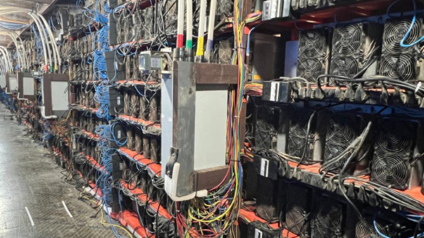
Dubbed Operation Serengeti 2.0, the three-month campaign was led by INTERPOL and AFRIPOL, with support from national agencies and private-sector partners, including Binance through the Cybercrime Atlas initiative. The operation dismantled 11,432 malicious infrastructures, disrupted a $300 million cryptocurrency scam in Zambia that defrauded 65,000 victims, and shut down 25 illegal crypto-mining centres in Angola.
In addition, Angolan authorities seized 45 illicit power stations valued at over $37 million, redirecting their output to local communities. These facilities had been diverting vast amounts of energy to sustain illegal mining operations.
The crackdown focused on some of Africa’s most pressing digital threats, including ransomware, business email compromise (BEC), and crypto-related frauds. According to INTERPOL’s Africa Cyberthreat Assessment Report, these crimes remain the most damaging to businesses and individuals across the continent.
“With more contributions and shared expertise, the results keep growing in scale and impact. This global network is stronger than ever, delivering real outcomes and safeguarding victims,” said Valdecy Urquiza, INTERPOL Secretary General, in a statement.
At the heart of the operation was the Cybercrime Atlas, a World Economic Forum-led initiative that unites more than 30 private firms – among them Binance, Microsoft, and Fortinet – with law enforcement. By pooling open-source intelligence (OSINT), the Atlas enables cross-border investigations and helps map out criminal infrastructures that often exploit jurisdictional loopholes.
The success of Operation Serengeti 2.0 is being hailed as proof of the power of public-private partnerships in tackling fast-evolving digital threats. Experts say the transition from ad hoc collaboration to long-term systemic cooperation is key to sustaining momentum.
For Binance, the operation underscores its commitment to safeguarding digital ecosystems, “fostering a safer digital future requires collaboration, innovation, education, and accountability,” the company said in a statement.
With cybercrime costs projected to rise globally, the operation’s results highlight the urgent need for coordinated, intelligence-driven responses to transnational digital threats.
Related Posts
 TAAG Joins Westbrook Racing as Race Partner for Luanda E1 Grand Prix
 IFAD, Equity Launch USD200m Mechanism to Take Climate Finance to East Africa’s Farmers
 Air Tanzania Moscow Suspension Highlights rising Geopolitical Risks for African Airlines
 Uganda Airlines Separates CEO and Accountable Manager Roles in Major Leadership Reset
 Boeing Holds Bullish Africa Aviation Outlook as Fleet Set to More than Double by 2045
 Inside Dr Silver Mugisha and NWSC’s Long Game to Keep Kampala’s Taps Running into the Future
Get business news delivered to you everyday
Latest News

TAAG Joins Westbrook Racing as Race Partner for Luanda E1 Grand Prix

IFAD, Equity Launch USD200m Mechanism to Take Climate Finance to East Africa’s Farmers

Air Tanzania Moscow Suspension Highlights rising Geopolitical Risks for African Airlines

Uganda Airlines Separates CEO and Accountable Manager Roles in Major Leadership Reset

Boeing Holds Bullish Africa Aviation Outlook as Fleet Set to More than Double by 2045

Oil Money’s First Test Will be Uganda’s Ability to Stop it Leaking Through Flawed Procurement

Uber exits Uganda after a decade in Kampala

Appellation: Uganda Gives its Crude a Brand as ‘Pearl Sweet’ Ahead of November First Oil

Equity Financing Helps Vurra Secondary School turn Enrolment Pressure into Growth Opportunity

El Niño Puts More Than 162 Million Children at Risk Across Africa as UNICEF warns of worsening drought, flooding and extreme heat hazard