

Stanbic, Gates Foundation and Busoga Kingdom Target 30,000 Women Entrepreneurs in Inclusive Finance Drive
 Rt. Hon. Joseph Muvawala the Prime Minister of Busoga Kingdom together with the Stanbic Uganda Holdings staff flagoff the intiative during the launch event at Kyabazinga’s palace in Bugembe, Jinja
More than 30,000 women entrepreneurs in Busoga are set to benefit from a new partnership between Stanbic Uganda Holdings, the Gates Foundation and the Busoga Kingdom that combines affordable finance with business training, digital skills and market access to accelerate enterprise growth.
A new partnership between Stanbic Uganda Holdings, the Gates Foundation and the Busoga Kingdom is set to extend affordable financing and business development support to more than 30,000 low-income women entrepreneurs, in a move that could deepen financial inclusion and strengthen Uganda’s grassroots enterprise economy.
Launched at the Busoga Kingdom headquarters in Bugembe, Jinja on July 17, the Women’s Economic Empowerment (WEE) Programme seeks to address limited access to affordable credit, business skills and formal financial services, one of the biggest constraints facing women-owned nano and micro enterprises.
But beyond the numbers, the initiative reflects a growing recognition that Uganda’s next wave of economic growth will depend on unlocking the productive potential of women operating in the informal economy.
Rather than offering credit alone, the programme combines financing with entrepreneurship training, financial literacy, digital skills, mentorship, insurance, savings products and market linkages to help women build sustainable businesses capable of generating stable household incomes.
The collaboration brings together the community mobilisation network of the Busoga Kingdom, the Gates Foundation’s global expertise in financial inclusion and Stanbic’s banking and enterprise development capabilities through Stanbic Bank Uganda and Stanbic Business Incubator Limited.
Representing the Kyabazinga of Busoga, William Wilberforce Gabula Nadiope IV, the Kingdom’s Prime Minister, Dr Joseph Muvawala, said empowering women entrepreneurs is central to Uganda’s long-term economic transformation.
“When you empower a woman economically, you uplift an entire family and strengthen the community. Many women work tirelessly to support their households yet continue to face barriers in accessing finance and business opportunities,” he said.
Dr Muvawala noted that while access to capital remains important, financing alone is insufficient without business knowledge and market opportunities.
“Entrepreneurs also need skills, mentorship and market opportunities to build resilient businesses. This partnership addresses those needs in an integrated way, creating lasting economic opportunities for women and their families.”
The programme targets a segment that has historically remained underserved by formal financial institutions despite accounting for thousands of businesses across Uganda’s informal economy.
Many women entrepreneurs struggle to secure commercial loans because of limited collateral, inadequate financial records and low financial literacy, effectively restricting their ability to expand beyond subsistence enterprises.
Stephen Segujja, Head of the Economic Enterprise Restart Fund at Stanbic Bank Uganda, said the programme aligns with the bank’s broader strategy of expanding economic opportunities for underserved communities.
“Women entrepreneurs will gain access not only to affordable financing, but also to the business skills, digital capabilities and market connections they need to grow resilient enterprises,” Segujja said.
“We are investing in businesses that will create jobs, strengthen communities and contribute to Uganda’s long-term prosperity.”
The initiative builds on Stanbic’s wider enterprise development strategy. Through its Economic Enterprise Restart Fund, the bank has mobilised partnerships worth USD40 million and extended more than UGX370 billion in financing to over 8,000 SACCOs.
Its Stanbic For Her programme has also supported more than 10,000 women entrepreneurs with over UGX200 billion in financing, complemented by financial literacy training, governance support, bookkeeping and market access.
Under its broader Positive Impact Agenda, Stanbic has committed to mobilising up to UGX1 trillion through partnerships supporting women, youth and farmers.
According to Catherine Poran, Chief Executive of Stanbic Business Incubator Limited, enterprise development will determine whether beneficiaries are able to transform financing into sustainable businesses.
“Access to finance creates opportunity, but enterprise development sustains it,” she said.
“Our role is to equip women entrepreneurs with practical business skills, financial management capabilities, digital literacy and mentorship so they can build businesses that create jobs, increase household incomes and contribute meaningfully to Uganda’s economy.”
For beneficiaries like Safinah Namukose, a trader from Buwenge, the programme addresses challenges that many women entrepreneurs encounter daily.
“Many women have the determination to succeed but lack affordable financing and the skills to expand their businesses,” she said.
“This programme gives us hope that more women will be able to improve their incomes, support their families and create opportunities for others.”
Micro, small and medium enterprises contribute an estimated 80 percent of Uganda’s GDP and employ the vast majority of the workforce, making expansion of women’s participation in formal finance both a social and economic imperative.
If successfully implemented, the Women’s Economic Empowerment Programme could provide a scalable model for strengthening inclusive finance, accelerating enterprise growth and broadening economic participation in underserved regions—demonstrating that targeted partnerships can help convert financial inclusion into lasting business success.
Related Posts
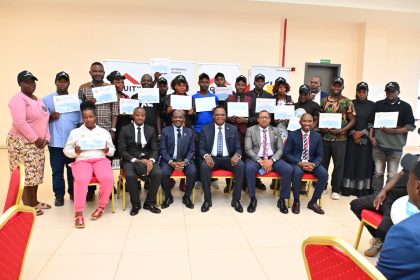 Uganda Returnees Look to Rebuild Livelihoods as Government Pledges UGX2bn
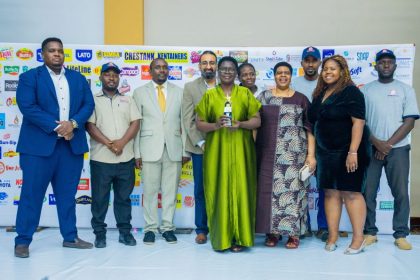 ERAM Award puts Uganda’s Animal-Health Manufacturing Ambitions in Focus
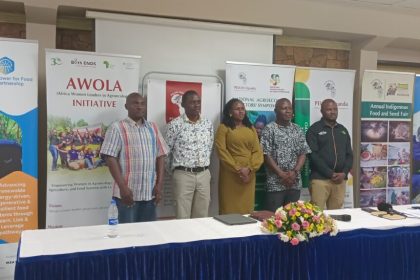 Agroecology Week Targets Stronger links Between Farmers, Policy and Markets
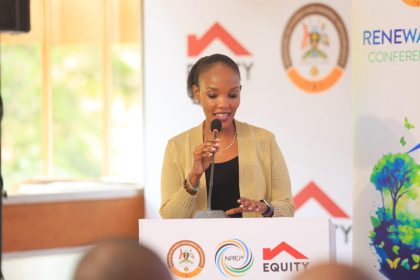 Energy Ministry and Equity Bank target lower hotel energy costs through green investment initiative
 FAA Certifies Boeing 737-10, Clearing Path for Deliveries of Largest 737 MAX Variant
 Aviation Industry Coalition Presses EU to Protect Voluntary use of Biometric Travel Technology
Get business news delivered to you everyday
Latest News

Uganda Returnees Look to Rebuild Livelihoods as Government Pledges UGX2bn

Beyond Gold Exports, Uganda’s Next Test Is Economic Transformation

ERAM Award puts Uganda’s Animal-Health Manufacturing Ambitions in Focus

Why Community-Led Climate Action Is Essential to Building Climate Resilience

Agroecology Week Targets Stronger links Between Farmers, Policy and Markets

Stanbic Commits UGX20m to Virunga Gorilla Marathon’s Conservation Drive

Energy Ministry and Equity Bank target lower hotel energy costs through green investment initiative

FAA Certifies Boeing 737-10, Clearing Path for Deliveries of Largest 737 MAX Variant

Somalia Recognises IATA Safety Audits in Push for Common African Aviation Standards

Stanbic Donates UGX40 Million in Maternal Health Equipment to Obongi Facility