
UNBS Seizes 17,770 Litres of Illicit Alcohol as Kenya Deaths Raise Regional Concern
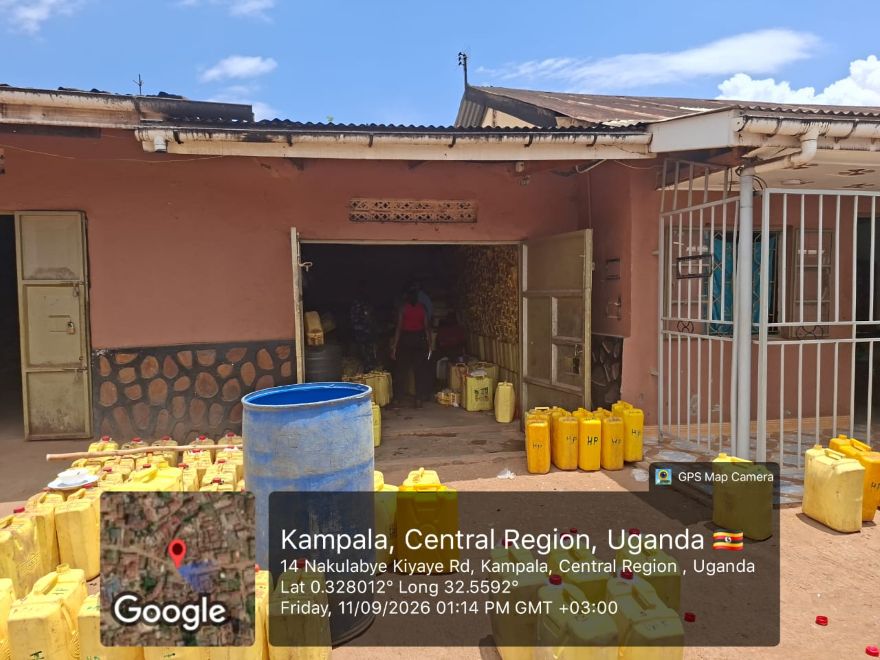
UNBS has seized 17,770 litres of illicit alcohol in Kampala, as three deaths in Kitengela, Kenya, linked to suspected toxic brews highlight the growing public-health risks of unregulated alcohol across East Africa
Uganda’s standards regulator has seized more than 17,700 litres of illicit alcohol in Kampala, underscoring the continuing challenge of unsafe alcoholic products in the region as neighbouring Kenya investigates the deaths of three people after suspected consumption of toxic brews.
The Uganda National Bureau of Standards (UNBS) said Monday that its surveillance teams confiscated 17,770 litres of illicit alcohol during an operation in Nakulabye and Kiwunya following consumer complaints about substandard alcoholic products.
The operation also uncovered about 8,500 litres of unlabelled neutral spirit and 600 bottles of uncertified gin, each containing 200ml.
The seizures come days after Kenya’s Daily Nation reported that three people had died and two others were fighting for their lives in Kitengela, Kajiado County, after allegedly consuming illicit alcohol in the Migingo area. The five were reported to have consumed the alcohol on September 21.
The deaths have put renewed attention on the risks posed by illicit alcohol in East Africa, where enforcement agencies face the challenge of products entering informal markets outside the normal system of quality control.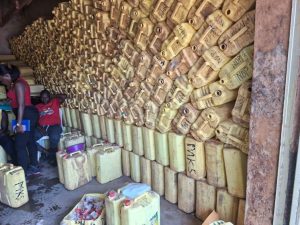
In Kampala, UNBS said the seized products included uncertified gin brands identified as Timing, Soccer/Socar, Kyakabi, Revo and Cheza.
At Brenda Beverages and Logistics Shop in Nakulabye, the regulator seized 216 bottles of uncertified gin, while 350 bottles were seized at Mwanguhya Shop in Kiwunya.
The largest quantity was found at Happy Emmanuels Stores, where UNBS seized 9,120 litres of illicit alcohol, together with 4,500 litres of neutral spirit packed in 18 drums.
At Fred Asiimwe’s Store, inspectors seized another 2,320 litres of illicit alcohol and approximately 4,000 litres of unlabelled neutral spirit in 16 drums.
Other seizures included 3,500 litres at Harriets Shop, 1,570 litres at Lillies Quality Suppliers, 1,060 litres at Musoke Adolf Shop and 200 litres at Nakulabye Super Waragi and Spirit.
UNBS said the operation was conducted under the UNBS Act, the UNBS Market Surveillance Regulations 2022 and applicable standards governing potable spirits and the labelling of pre-packaged products.
The regulator urged consumers to check that alcoholic products are properly labelled and certified and encouraged the public to report suspected uncertified or otherwise non-compliant products.
A regional enforcement problem
The simultaneous developments in Uganda and Kenya illustrate the difficulty regulators face in dealing with illicit alcohol once it enters informal distribution networks.
In the Kitengela case, Daily Nation reported that the five people had consumed the suspected lethal brew in the Migingo area, with three subsequently dying and two others hospitalised.
The Kenyan deaths occurred in Kajiado County, within the wider Nairobi metropolitan area, rather than Nairobi County itself. The incident has nevertheless been reported as part of the wider Nairobi metropolitan story.
For Uganda, the scale of the latest UNBS seizure provides an indication of the volume of alcohol circulating outside the regulated market. The presence of thousands of litres of unlabelled neutral spirit is particularly significant because such material can enter informal production and distribution channels without the traceability and quality controls applied to compliant alcoholic products.
The latest operation also points to a distinction that is important for consumers – illicit alcohol is not simply alcohol sold cheaply or outside established retail channels. Products that are uncertified, improperly labelled or produced without meeting applicable standards can carry risks that consumers cannot readily assess at the point of purchase.
UNBS said its surveillance and enforcement activities would continue as part of its mandate to protect consumers and the environment from dangerous substandard products.
The deaths reported in Kitengela add a stark human dimension to that regulatory challenge, turning what might otherwise appear to be a standards and compliance issue into a public-health concern across the region.
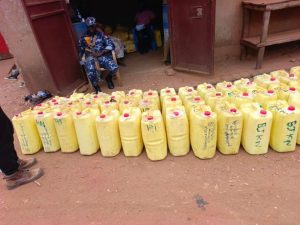 Rwanda has taken an even more extensive enforcement approach in recent months. Since launching a nationwide crackdown on July 20, authorities have targeted the production, distribution and sale of illicit and substandard alcoholic beverages. By August 11, Rwanda National Police said 653,626 litres of ethanol and methanol had been seized, of which 553,920 litres had already been destroyed, alongside 15,348 litres of traditional illicit brews. Authorities were also holding more than 164,000 cartons and 146,000 bottles of illicit or substandard alcoholic beverages awaiting destruction.
The campaign has also moved beyond traders and producers to people suspected of facilitating the illicit alcohol market. In August, Rwanda’s police and investigation authorities presented 17 public officials suspected of involvement in the production or distribution of substandard alcoholic beverages, including officials from the Rwanda Food and Drugs Authority, Rwanda Standards Board and local government. Police said 104 people had been arrested since the operation began, with case files for 97 submitted for prosecution.
The scale of Rwanda’s response reflects the seriousness of the health risks. Rwanda National Police said the government had recorded 44 deaths between January and June 2026 associated with drinks adulterated with toxic substances, with reported cases of blindness and organ damage. More than 900,000 litres of illicit alcohol had subsequently been seized across the country, according to The New Times.
There is also a cross-border dimension. In a September operation in Rwanda’s Eastern Province, police seized more than 6,000 bottles of Zebra Gin and other banned drinks and arrested 21 people. Police said much of the seized alcohol had been smuggled from Uganda, highlighting the difficulty of containing illicit alcohol markets where products and distribution networks, cross national borders.
Related Posts
 Relief as UAE Eases Ebola-era Entry Curbs on Ugandans, Reopening Key Aviation Corridor
 13 Feared Killed as Tracep Aviation L-410 Crashes in DRC
 IATA Warns Cargo Screening Alone Cannot Contain Undeclared Dangerous Goods Risk
 Rwenzori Marathon: A Case of What’s Possible in Diversifying Uganda’s Tourism Offering
 Entebbe-Based Jet Fresh Cargo Takes Ugandan Air Freight into Global Awards Contest
 Uganda Set for First National ESG Conference as Sustainable Finance Gains Ground
Get business news delivered to you everyday
Latest News

UNBS Seizes 17,770 Litres of Illicit Alcohol as Kenya Deaths Raise Regional Concern

Why Unlocking Africa’s Next Mining Powerhouse Requires Strong Financial Partnerships

Relief as UAE Eases Ebola-era Entry Curbs on Ugandans, Reopening Key Aviation Corridor

Equity Turns Schools into Climate Restoration Hubs as Lender Launches 200,000-tree Uganda drive

13 Feared Killed as Tracep Aviation L-410 Crashes in DRC

IATA Warns Cargo Screening Alone Cannot Contain Undeclared Dangerous Goods Risk

Rwenzori Marathon: A Case of What’s Possible in Diversifying Uganda’s Tourism Offering

Entebbe-Based Jet Fresh Cargo Takes Ugandan Air Freight into Global Awards Contest

Afreximbank Issues USD29m Guarantee to Expand EAC Customs Bond

Uganda puts UGX1.4tn Treasury Bonds on Auction