

Africa’s airlines face growth paradox as global aviation profits tumble
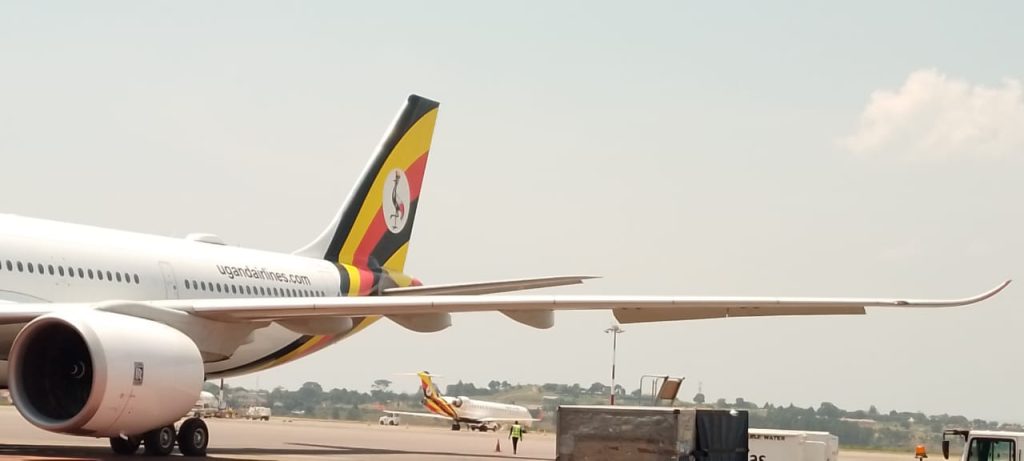
Passenger traffic is expected to grow by 10pc across Africa in 2026, but soaring fuel costs, weak infrastructure and geopolitical disruptions are set to slash airline profitability to just USD100 million.
Africa’s airlines are expected to carry more passengers than ever before in 2026, but many carriers may find themselves earning less from the boom as soaring fuel prices and geopolitical disruptions squeeze already thin profit margins.
A new financial outlook released by the International Air Transport Association (IATA) at the start of its Annual General Meeting and World Air Transport Summit in Rio de Janeiro today paints a picture of an African aviation sector caught between opportunity and vulnerability.
The region is projected to record one of the world’s fastest passenger traffic growth rates at 10 percent in 2026, outpacing global demand growth and building on the 9.8 percent expansion recorded in 2025.
Yet despite the strong demand, African airlines are expected to collectively earn just USD100 million in net profit this year, down sharply from USD300 million last year. Net profit margins are forecast to collapse from 1.6 percent to just 0.2 percent, leaving airlines with an average profit of only 40 cents per passenger.
The deterioration reflects a broader crisis facing the global airline industry, where profitability is expected to be cut in half despite continued growth in passenger demand.
“War-related disruptions in the Middle East and rising fuel costs have shifted the outlook for airlines for the worse,” said Willie Walsh, IATA’s Director General. “Globally, airlines are expected to see profitability halve compared to 2025. Profits will shrink from USD45 billion in 2025 to USD23 billion this year. And margins will shrink from 4.2pc to 2.0pc.”
Walsh said airlines worldwide are struggling to absorb a rapid 70 percent increase in jet fuel prices, with smaller carriers particularly exposed.
“All airline bottom lines are suffering from the rapid 70pc rise in jet fuel prices. Some of the additional cost is being recuperated by adjusting prices and improving efficiency, but it will not be sufficient to maintain profitability at the previous year’s level. Smaller carriers that started the year with weak balance sheets are certainly struggling,” he said.
For Africa’s airlines, many of which entered the year with limited financial buffers and constrained access to capital, the warning is especially significant. While the region’s hub carriers are benefiting from shifting traffic flows caused by disruptions in the Middle East, rising costs are eroding much of the financial upside.
The figures highlight a growing paradox confronting African aviation; traffic is growing rapidly, but profitability remains elusive.
According to IATA, part of the growth is being driven by the conflict in the Middle East, which has disrupted traditional global traffic flows and prompted airlines and passengers to seek alternative routings.
Africa’s major hub carriers are among the beneficiaries. Airlines operating through strategic hubs in cities such as Addis Ababa, Nairobi and Casablanca are attracting additional traffic connecting Europe, Asia and Africa as some travellers avoid the Middle East.
However, the gains are unlikely to be distributed evenly across the continent.
“Any gains are likely to be concentrated among the limited number of hub carriers with established connectivity linking Africa to Europe and Asia,” IATA noted in its outlook.
For many smaller African airlines, the global aviation crisis is exposing long-standing structural weaknesses rather than creating new opportunities.
The most immediate challenge is fuel. Globally, airlines are grappling with a nearly 70 percent increase in jet fuel prices, driven by war-related disruptions and tighter supply conditions. Fuel is expected to account for more than 31 percent of airline operating costs this year, up from 25 percent in 2025.
Unlike larger airlines in Europe and North America that often hedge fuel purchases or benefit from stronger balance sheets, many African operators have limited financial buffers. Several also face higher fuel procurement costs due to fragmented supply chains and smaller purchasing volumes.
As a result, rising revenues from higher passenger numbers are being offset by escalating operating expenses.
Related Posts
 Uganda Returnees Look to Rebuild Livelihoods as Government Pledges UGX2bn
 ERAM Award puts Uganda’s Animal-Health Manufacturing Ambitions in Focus
 Why Community-Led Climate Action Is Essential to Building Climate Resilience
 Agroecology Week Targets Stronger links Between Farmers, Policy and Markets
 Stanbic Commits UGX20m to Virunga Gorilla Marathon’s Conservation Drive
 Energy Ministry and Equity Bank target lower hotel energy costs through green investment initiative
Get business news delivered to you everyday
Latest News

Uganda Returnees Look to Rebuild Livelihoods as Government Pledges UGX2bn

Beyond Gold Exports, Uganda’s Next Test Is Economic Transformation

ERAM Award puts Uganda’s Animal-Health Manufacturing Ambitions in Focus

Why Community-Led Climate Action Is Essential to Building Climate Resilience

Agroecology Week Targets Stronger links Between Farmers, Policy and Markets

Stanbic Commits UGX20m to Virunga Gorilla Marathon’s Conservation Drive

FAA Certifies Boeing 737-10, Clearing Path for Deliveries of Largest 737 MAX Variant

Aviation Industry Coalition Presses EU to Protect Voluntary use of Biometric Travel Technology

Somalia Recognises IATA Safety Audits in Push for Common African Aviation Standards

Stanbic Donates UGX40 Million in Maternal Health Equipment to Obongi Facility