

African Airlines Warn Against Passing Border Security Costs to Passengers
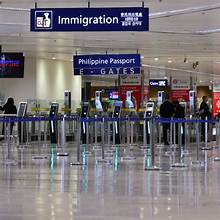
Africa’s leading aviation associations are urging governments to adopt internationally recognised passenger data standards while warning that funding border security through airline and passenger fees would raise travel costs and weaken the continent’s air connectivity.
Africa’s leading aviation industry bodies have urged governments across the continent to align their passenger information systems with global standards while warning against financing border security programmes through new charges on airlines and travellers.
In a joint statement released Thursday, the African Airlines Association (AFRAA), the Airlines Association of Southern Africa (AASA) and the International Air Transport Association (IATA) called on African states to implement Advance Passenger Information (API) and Passenger Name Record (PNR) systems in line with standards developed by the International Civil Aviation Organization (ICAO).
The industry groups argued that harmonised passenger data systems are essential for strengthening border security, combating cross-border crime and illegal immigration, while ensuring legitimate travellers move through airports more efficiently.
However, they cautioned that the systems should be introduced within clear legal and operational frameworks that protect passenger privacy and avoid imposing unnecessary costs on air transport.
“Passenger data plays an important role in keeping borders secure. However, these systems must be aligned around internationally recognised standards and funded correctly,” the three organisations said in a joint statement signed by AFRAA Secretary General Abdérahmane Berthé, AASA Chief Executive Officer Aaron Munetsi and IATA Regional Vice President for Africa and the Middle East Kamil Alawadhi.
The organisations outlined four principles they believe should guide implementation across Africa.
First, governments should establish clear legal frameworks that define what passenger data can be collected and identify a single authority responsible for managing API and PNR programmes.
Second, only information necessary for legitimate security purposes should be collected, with safeguards to protect personal data, prevent discrimination and ensure information is retained only for defined periods.
Third, passenger information should be used exclusively for border management, national security, law enforcement and the prevention of serious crime.
Finally, governments should adopt internationally harmonised standards for collecting, storing and transmitting passenger information to improve interoperability between countries and reduce compliance burdens on airlines.
The organisations also urged governments not to finance API and PNR systems by imposing additional fees on airlines or passengers.
They cited ICAO’s long-standing policy that border security is a government responsibility and should therefore be financed from public resources rather than recovered through aviation charges.
According to the industry bodies, transferring the cost of national security programmes to airlines would ultimately increase ticket prices, reduce the affordability of air travel and undermine efforts to improve connectivity across Africa.
Higher aviation costs, they warned, could also weaken tourism, trade and investment by making African destinations less competitive.
The call comes as many African countries continue to modernise border management systems and expand the use of digital passenger information to improve security while facilitating travel.
Although several countries have introduced API and PNR programmes, implementation across the continent is fragmented, creating different technical and regulatory requirements that airlines must navigate when operating international services.
The aviation industry believes greater harmonisation would simplify compliance for carriers while giving governments more accurate and timely passenger information to identify security risks before flights arrive.
The three organisations pledged continued collaboration with governments, regional institutions and international partners to support implementation of passenger information programmes that balance national security with operational efficiency.
Related Posts
 Independence Marathon Turns to Blood Storage Gap in Maternal Health Drive
 Fine Spinners Injects Fresh USD5m Into Technology as Uganda Textile Maker Targets African, European Markets
 Equity Trade Mission Puts Uganda’s Manufacturing Capacity to Regional Test
 Uganda Seeks to Calm Coffee, Cocoa Markets as Global Prices Fluctuate on Positive Sentiment
 Uganda Green Entrepreneurs Set for Paris Visit as Stanbic-France Partnership Graduates 106
 Entebbe Airport Passenger Traffic Recovers in August but Remains Below 2025 Levels
Get business news delivered to you everyday
Latest News

Independence Marathon Turns to Blood Storage Gap in Maternal Health Drive

Fine Spinners Injects Fresh USD5m Into Technology as Uganda Textile Maker Targets African, European Markets

Equity Trade Mission Puts Uganda’s Manufacturing Capacity to Regional Test

Uganda Seeks to Calm Coffee, Cocoa Markets as Global Prices Fluctuate on Positive Sentiment

Uganda Green Entrepreneurs Set for Paris Visit as Stanbic-France Partnership Graduates 106

Nile Breweries, Next Media Renew Road Safety Push with Focus on Boda Boda Riders

Equity Bank Explores Value-Chain Financing to Support Zigoti Coffee Expansion

Uganda Breaks Ground on USD310m Kampala Fuel Terminal, Targets September 2028 Completion

Uganda Will Not Close Its 2.4-Million-Unit Housing Deficit with Ribbon-Cuttings in Kira

Nairobi’s 2029 World Athletics Win Draws Doping Scrutiny in UK Media