

Swiss coffee traders visit Uganda to deepen ties with Africa’s leading producer
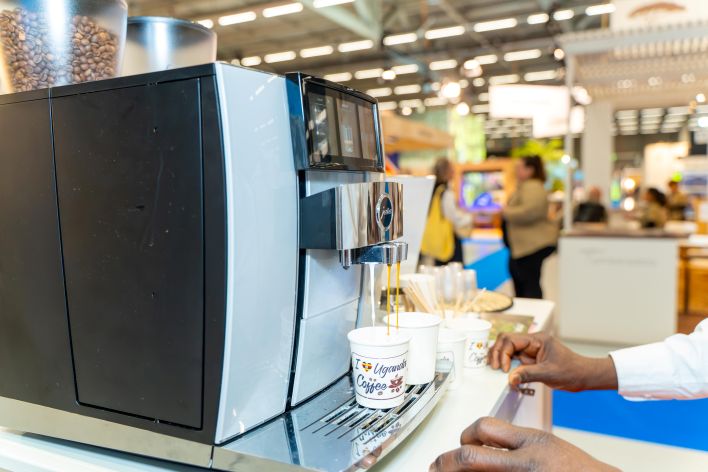
A delegation of young Swiss coffee traders is touring Uganda’s coffee-growing regions to deepen partnerships with farmers, exporters and policymakers as global interest in Uganda’s beans continues to rise.
A delegation of young professionals from Switzerland’s powerful coffee trading sector is visiting Uganda this week in a move aimed at strengthening links between global coffee markets and one of Africa’s largest producers.
The week-long tour, running from March 14 to 21, brings together traders, sustainability specialists and finance professionals from some of the world’s leading coffee companies to gain first-hand insight into Uganda’s production systems and export supply chains.
The visit is organised by the Swiss Coffee Traders Association in collaboration with the Embassy of the Republic of Uganda to the Swiss Confederation and reflects growing international interest in Uganda’s coffee sector as global demand for traceable and sustainably sourced beans rises.
Uganda is among Africa’s largest coffee producers and exporters, and the government has been pursuing an ambitious strategy to expand production while increasing value addition and participation in specialty coffee markets.
By connecting young Swiss traders directly with producers, exporters and policymakers, the initiative aims to deepen understanding of Uganda’s coffee value chain while encouraging longer-term commercial partnerships.
During the tour, the delegation will travel across major coffee-growing regions, including eastern Uganda’s Mount Elgon region and the western coffee-growing belt around Mubuku.
Participants will visit coffee washing stations, plantations and processing facilities while engaging with farmers, exporters and sector stakeholders.
The programme is designed to expose traders to the full journey of Ugandan coffee — from cultivation and processing to export logistics and international trading.
Such visits are increasingly common in the global coffee industry, where traders and roasters are under pressure from consumers and regulators to demonstrate traceability and sustainable sourcing practices.
Policy dialogue in Kampala
 A key moment of the tour will be a meeting with officials at the Ministry of Agriculture, Animal Industry and Fisheries in Kampala on March 20.
The discussions will focus on Uganda’s national coffee strategy, sustainability initiatives and the government’s long-term plan to expand production while strengthening value addition within the country.
Uganda has been steadily increasing coffee output over the past decade, with policymakers aiming to significantly scale production while improving processing and branding of Ugandan beans.
The engagement also highlights the country’s broader push to use economic diplomacy to expand global markets for its agricultural exports.
Earlier this year, Ugandan officials and coffee promoters organised barista demonstrations and promotional events for Ugandan coffee at tourism and trade exhibitions in Bern and Zurich in Switzerland.
The visit also reflects Switzerland’s outsized role in the international coffee business.
Although it produces no coffee itself, the country is one of the world’s largest hubs for trading green coffee beans, with major global merchants based there.
Members of the visiting delegation represent companies including Sucafina SA, Ecom Trading, UCC Europe and Louis Dreyfus Company — firms that play a central role in connecting producing countries to global coffee markets.
Before travelling to Uganda, the group also paid a courtesy visit to the Ugandan embassy in Geneva, where they were welcomed by Marcel Tibaleka.
Beyond the immediate business discussions, organisers say the initiative is also designed to build long-term relationships between the next generation of global coffee traders and Uganda’s producers and policymakers.
By exposing young professionals to the realities of coffee production in origin countries, the programme aims to encourage responsible trade practices, sustainable sourcing and deeper collaboration across the industry.
For Uganda, which is seeking to move beyond raw commodity exports toward higher-value participation in the coffee economy, stronger engagement with global trading houses could play an increasingly important role in shaping the sector’s future.
Related Posts
 Uganda Returnees Look to Rebuild Livelihoods as Government Pledges UGX2bn
 ERAM Award puts Uganda’s Animal-Health Manufacturing Ambitions in Focus
 Why Community-Led Climate Action Is Essential to Building Climate Resilience
 Agroecology Week Targets Stronger links Between Farmers, Policy and Markets
 Stanbic Commits UGX20m to Virunga Gorilla Marathon’s Conservation Drive
 Energy Ministry and Equity Bank target lower hotel energy costs through green investment initiative
Get business news delivered to you everyday
Latest News

Uganda Returnees Look to Rebuild Livelihoods as Government Pledges UGX2bn

Beyond Gold Exports, Uganda’s Next Test Is Economic Transformation

ERAM Award puts Uganda’s Animal-Health Manufacturing Ambitions in Focus

Why Community-Led Climate Action Is Essential to Building Climate Resilience

Agroecology Week Targets Stronger links Between Farmers, Policy and Markets

Stanbic Commits UGX20m to Virunga Gorilla Marathon’s Conservation Drive

FAA Certifies Boeing 737-10, Clearing Path for Deliveries of Largest 737 MAX Variant

Aviation Industry Coalition Presses EU to Protect Voluntary use of Biometric Travel Technology

Somalia Recognises IATA Safety Audits in Push for Common African Aviation Standards

Stanbic Donates UGX40 Million in Maternal Health Equipment to Obongi Facility