

New monitoring methods could reshape how Africa safeguards bridges and pressure vessels
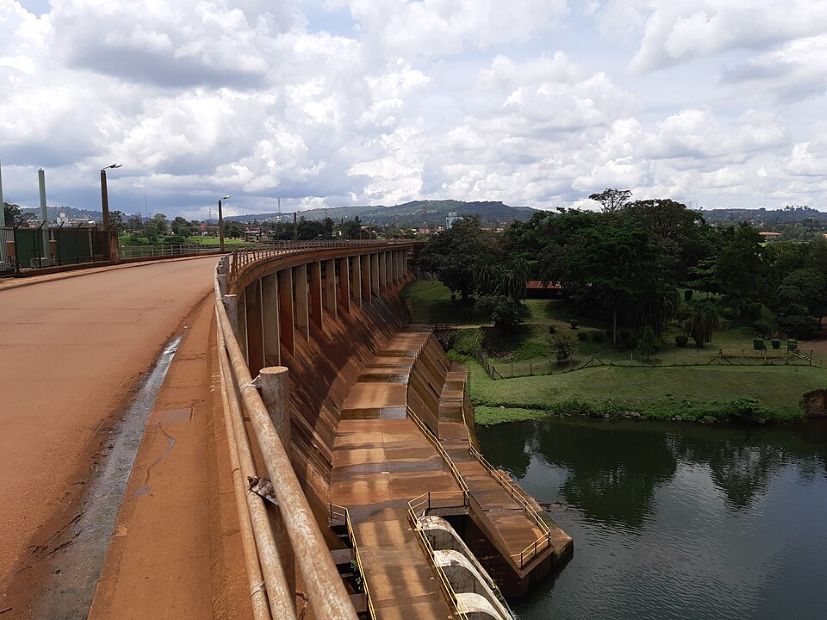
A three-year research collaboration between TÜV Austria and the University of Bologna has delivered new, deployable methods for monitoring bridges and pressure vessels, strengthening predictive maintenance as ageing infrastructure poses growing safety and cost challenges worldwide.
As governments and operators grapple with ageing bridges, pressure vessels and energy infrastructure, a newly concluded research collaboration between TÜV Austria and Italy’s Università di Bologna is pointing to how infrastructure safety may increasingly be managed through continuous, predictive monitoring rather than periodic inspection.
The three-year PhD research programme, completed this month, brought together TÜV Austria and the University of Bologna’s Advanced Research Center on Electronic Systems (ARCES) to develop new methods in structural health monitoring that can be deployed in real-world settings. The collaboration focused on critical infrastructure assets where failure carries high economic and safety risks, including bridges, composite pressure vessels and metallic tanks.
Structural health monitoring has long promised earlier detection of damage and reduced reliance on intrusive inspections. What distinguishes the TÜV Austria–Bologna programme is its emphasis on operational applicability. Across three complementary PhD projects, academic research was continuously tested, refined and validated alongside industry experts from TÜV Austria, TÜV Austria Italia and technology partner SINT Technology.
One research track addressed the requalification of Type IV composite pressure vessels, which are increasingly used in sectors such as gas transport, industrial storage and emerging hydrogen applications. The project developed a dedicated testing and requalification framework aimed at extending service life while maintaining safety margins, an issue growing in importance as composite materials replace traditional steel vessels.
A second project focused on civil infrastructure, introducing a vibration-based methodology capable of detecting and localising structural damage in bridges. With many bridge networks in Europe and beyond operating well past their original design life, such techniques offer a pathway toward more reliable condition assessment and targeted maintenance, reducing both downtime and inspection costs.
The third research strand tackled corrosion monitoring in metallic pressure vessels, demonstrating that active corrosion processes can be detected using acoustic emission monitoring without external excitation. This approach allows for continuous monitoring during normal operation, potentially enabling earlier intervention before corrosion leads to leaks or structural failure.
According to TÜV Austria, the collaboration reflects a broader shift in infrastructure management, from time-based inspections toward condition-based and predictive maintenance regimes. Embedding PhD researchers directly into industrial testing campaigns and structured review cycles allowed theoretical advances to be stress-tested against operational constraints, accelerating the transition from laboratory results to deployable inspection solutions.
The conclusion of the programme also highlights the growing role of international academic–industry partnerships in addressing infrastructure risk. As fiscal pressures limit large-scale replacement of ageing assets, regulators and operators are increasingly looking to advanced monitoring technologies to extend asset life while maintaining safety and compliance.
While the research outcomes will continue to be refined and adopted across different sectors, the completed programme offers a clear signal of where infrastructure safety is heading. In a world of ageing bridges, expanding energy networks and rising safety expectations, the future of inspection is likely to be more about continuous insight into how structures behave in real time and less about scheduled checks.
Related Posts
 EgyptAir inducts first A350-900 into long-haul fleet
 From Kampala to Dubai, Desert & Nile Artistry brings African heritage to the global stage
 Billionaires.Africa ranks Charles Mbire richest investor on the Uganda Securities Exchange in 2026
 Uganda’s health financing model under strain as donor retreat exposes structural fragility
 Why Experience Still Matters in Aviation — and why Girma Wake’s Uganda appointment is being misread
 Uganda study shows how treating depression can strengthen HIV care
Get business news delivered to you everyday
Latest News

EgyptAir inducts first A350-900 into long-haul fleet

From Kampala to Dubai, Desert & Nile Artistry brings African heritage to the global stage

New Mombasa–Goma fibre link goes live, opening digital highway across East Africa

New monitoring methods could reshape how Africa safeguards bridges and pressure vessels

Billionaires.Africa ranks Charles Mbire richest investor on the Uganda Securities Exchange in 2026

Uganda’s health financing model under strain as donor retreat exposes structural fragility

Why Experience Still Matters in Aviation — and why Girma Wake’s Uganda appointment is being misread

Stanbic Economic Forum returns with focus on Uganda’s competitiveness in a shifting global economy

Equity Bank, UKAID launch affordable electric cooking finance to accelerate clean energy transition in Uganda

Airbus sees Asia-Pacific aviation services market surging to USD 138.7bn by 2044