

COMESA consumer watchdog raises alarm over unsafe products as Africa marks Consumer Rights Day
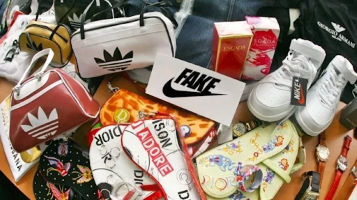
The COMESA Competition and Consumer Commission warns that unsafe and counterfeit products continue to pose serious risks across African markets, urging stronger enforcement and consumer vigilance.
The COMESA Competition and Consumer Commission has raised fresh concerns over the growing risks posed by unsafe and counterfeit products, warning that weak enforcement and expanding digital markets are exposing consumers across Africa to serious harm.
In a statement marking World Consumer Rights Day, the Commission said the scale of the problem remains significant, with unsafe goods continuing to circulate widely in both physical and online marketplaces. This year’s theme, “Protecting Consumers Through Safer Products,” reflects rising concern over product safety across the 21-member Common Market for Eastern and Southern Africa (COMESA) bloc.
“Unsafe and counterfeit products continue to pose a serious threat to consumers across our region, costing lives, undermining trust in markets and exposing gaps in enforcement, particularly as digital commerce expands. We are strengthening our regulatory framework and cross-border cooperation to ensure that unsafe goods are swiftly identified and removed, but businesses must comply with safety standards and consumers must remain vigilant. Protecting consumers is not optional—it is fundamental to sustaining confidence in our economies,” said the Commission’s chief executive officer, Dr Willard Mwemba.
The Commission estimates that at least 100,000 people die annually in Africa due to unsafe products, highlighting the human cost of weak regulatory systems and the proliferation of counterfeit goods. In the technology sector alone, up to 6.5 percent of ICT products traded on the continent are fake, posing fire hazards, health risks and contributing to millions of tonnes of poorly managed electronic waste.
Beyond traditional markets, regulators are increasingly worried about the rapid expansion of digital commerce. Africa’s digital marketplace, valued at over USD30 billion in 2025 and projected to more than double by 2030, is opening new channels for trade—but also for risk.
According to the Commission, online platforms have introduced a range of consumer protection challenges, including fake reviews, misleading product descriptions, lack of safety certifications and limited traceability of sellers. Other concerns include cyber security threats, weak product guarantees and emerging risks such as deepfakes and privacy violations.
The Commission says that these developments require regulators to expand surveillance and enforcement beyond traditional supply chains to include digital ecosystems, ensuring that consumers are equally protected online and offline.
In response, COMESA has strengthened its legal framework through the 2025 Competition and Consumer Protection Regulations. The updated rules expand oversight on product safety, including banning environmentally harmful goods, tightening labelling and information requirements, and extending protections to cover digital services and harmful online content.
The Commission is also developing a regional rapid-response system to track and recall unsafe products, alongside efforts to improve cross-border coordination among member states. Through its Consumer Protection Committee, authorities are working to ensure that products flagged in one country can be swiftly removed from circulation across the wider COMESA market.
Businesses have been urged to comply fully with safety standards and ensure products meet regulatory requirements before reaching consumers. At the same time, the public is being encouraged to remain vigilant, verify product information and report unsafe goods.
Dr. Mwemba warned that failure to address product safety risks could erode consumer confidence and undermine economic stability. Markets flooded with unsafe goods, he said, risk triggering broader economic consequences by weakening trust in formal systems.
The Commission signalled it will intensify enforcement and take firm action against companies found to be supplying unsafe products, underscoring its commitment to safeguarding consumers across the region.
Related Posts
 Uganda Returnees Look to Rebuild Livelihoods as Government Pledges UGX2bn
 ERAM Award puts Uganda’s Animal-Health Manufacturing Ambitions in Focus
 Agroecology Week Targets Stronger links Between Farmers, Policy and Markets
 Energy Ministry and Equity Bank target lower hotel energy costs through green investment initiative
 FAA Certifies Boeing 737-10, Clearing Path for Deliveries of Largest 737 MAX Variant
 Aviation Industry Coalition Presses EU to Protect Voluntary use of Biometric Travel Technology
Get business news delivered to you everyday
Latest News

Uganda Returnees Look to Rebuild Livelihoods as Government Pledges UGX2bn

Beyond Gold Exports, Uganda’s Next Test Is Economic Transformation

ERAM Award puts Uganda’s Animal-Health Manufacturing Ambitions in Focus

Why Community-Led Climate Action Is Essential to Building Climate Resilience

Agroecology Week Targets Stronger links Between Farmers, Policy and Markets

Stanbic Commits UGX20m to Virunga Gorilla Marathon’s Conservation Drive

Energy Ministry and Equity Bank target lower hotel energy costs through green investment initiative

FAA Certifies Boeing 737-10, Clearing Path for Deliveries of Largest 737 MAX Variant

Somalia Recognises IATA Safety Audits in Push for Common African Aviation Standards

Stanbic Donates UGX40 Million in Maternal Health Equipment to Obongi Facility