

UNOC predicts continued drop in Uganda fuel prices on crude slump, steady supply
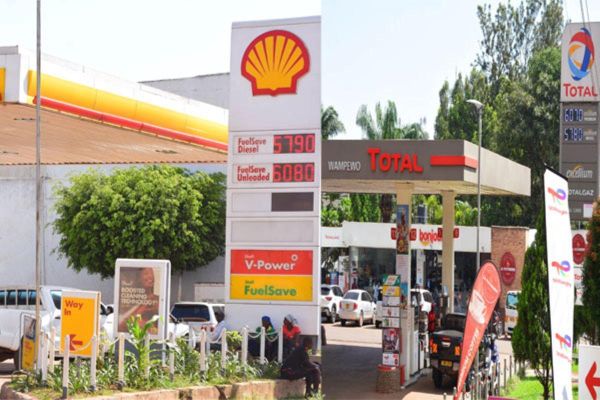
The Uganda National Oil Company (UNOC) expects domestic fuel prices to continue declining, citing falling international crude oil prices and stable supplies of refined petroleum products in the local market.
UNOC officials note that global crude prices have trended downward in recent weeks — a development expected to translate into lower pump prices across Uganda in the coming months. At the same time, robust domestic stocks have helped insulate the market from sharp fluctuations.
According to company data, petrol prices dropped 6.6pc in the second half of 2024, falling from UGX 5,300 per litre in July to UGX 4,950 by December. By January 2025, national averages stood at UGX 4,857 for petrol and UGX 4,608 for diesel.
“Global prices are going down, and the Platts prices — the trading benchmark — are also falling. We expect further reductions over the next few months,” said Tony Otoa, UNOC’s Chief Corporate Affairs Officer.
International markets remain volatile. The U.S. Energy Information Administration (EIA) reported a 14pc drop in Brent crude prices in early April, attributed to new U.S. trade tariffs. However, global oil inventories are forecast to rise by mid-2025 as OPEC+ eases production cuts. Crude prices are projected to average $68 per barrel in 2025 and $61 in 2026.
The price outlook supports UNOC’s growing role as Uganda’s sole fuel importer, a mandate the company took on in late 2023. Since its first delivery in July 2024, UNOC had brought in over 1.9 billion litres of fuel by March 2025, according to Trading Specialist Aron Bukenya.
“Pump price stability in Uganda depends on two things — supply and the exchange rate. We’ve achieved consistent stock levels, which has helped stabilize the market,” said Otoa. “We’ve also secured alternative import routes through Kenya and Tanzania to ensure resilience.”
By cutting out middlemen, UNOC’s direct import strategy has delivered broader benefits: more predictable pricing for consumers and businesses, stronger liquidity for local banks handling fuel transactions, and improved currency stability.
“Everyone is happy,” says Otoa. “The banks are happy, the oil majors are happy, and the small players are also happy. Indigenous Ugandans profile in the petroleum sector has also grown significantly under this model because it ensures equity,” Otoa added.
Part of UNOC’s current strategy is to develop internal capacity for marketing domestically refined products in the future, once commercial oil production begins.
Related Posts
 Uber exits Uganda after a decade in Kampala
 Appellation: Uganda Gives its Crude a Brand as ‘Pearl Sweet’ Ahead of November First Oil
 Family of Ugandan Boeing 737 MAX Crash Victim Christine Alalo Set for USD1.28 million Payout
 Digital Banking Growth puts Cyber Fraud Firmly on Uganda’s Financial Sector Agenda
 Kenya Airways Names Habil Waswani Acting CEO as Kamal Exits
 TAAG opens 57 Brazilian Destinations Through LATAM Codeshare
Get business news delivered to you everyday
Latest News

Uber exits Uganda after a decade in Kampala

Appellation: Uganda Gives its Crude a Brand as ‘Pearl Sweet’ Ahead of November First Oil

Equity Financing Helps Vurra Secondary School turn Enrolment Pressure into Growth Opportunity

El Niño Puts More Than 162 Million Children at Risk Across Africa as UNICEF warns of worsening drought, flooding and extreme heat hazard

Family of Ugandan Boeing 737 MAX Crash Victim Christine Alalo Set for USD1.28 million Payout

Digital Banking Growth puts Cyber Fraud Firmly on Uganda’s Financial Sector Agenda

Kenya Airways Names Habil Waswani Acting CEO as Kamal Exits

Jeffrey Sachs Sees Latest Package of US Sanctions Against Iran Failing

New lender HCH targets Uganda’s SME Financing Gap With Invoice Finance to Unlock Working Capital

Africa’s Aviation Growth Outpaces Global Market, but Cargo Recovery Lags