

IATA’s 2026 events to confront aviation’s structural challenges as industry enters a defining decade

The International Air Transport Association (IATA) has released its 2026 global events calendar, signalling a year of intensified dialogue on aviation’s operational, financial, and environmental pressures. With new gatherings dedicated to maintenance, engineering, and the fast-growing Middle East–North Africa market, the expanded lineup reflects an industry grappling with supply chain disruptions, shifting passenger expectations, and the urgent need to scale sustainable aviation solutions. Across 18 conferences, IATA aims to convene regulators, airlines, manufacturers, technologists, and financiers to confront the structural challenges shaping the next phase of air transport.
IATA, the International Air Transport Association, has released its 2026 events calendar, signalling a year in which the global airline industry will intensify its focus on the structural pressures shaping aviation’s next decade. With the sector navigating supply chain bottlenecks, rising operating costs, emerging digital technologies, and mounting decarbonisation demands, IATA is framing its events as platforms for hard decisions rather than ceremonial gatherings.
In 2025, more than 11,000 delegates attended IATA’s 16 global events. Next year, that number is expected to grow with the addition of two new conferences that reflect the industry’s most urgent pain points: the chronic delays in aircraft and parts delivery, and the need for a coordinated policy framework in fast-growing regions.
Frederic Leger, IATA’s Senior Vice President for Products & Services, said the 2026 programme was designed to bring “the most influential voices across the industry” into the same room at a time when fragmentation — across regulation, digital systems, sustainability pathways and supply value chains — threatens to slow the industry’s recovery and future competitiveness.
Aerospace Supply Chain Under the Spotlight
The introduction of the World Maintenance & Engineering Symposium, set for Madrid in June, is a direct response to an issue that has become impossible for airline executives to ignore. Supply chain congestion in the aerospace manufacturing ecosystem — spanning engines, components and cabin equipment — is projected to cost airlines USD 11 billion in 2025 alone.
The symposium is expected to examine the widening gap between fleet demand and production capacity, and explore whether OEMs, leasing companies, and regulators can converge around new timelines and contingency mechanisms. For operators in Africa, the Middle East and parts of Asia, these delays have amplified operational vulnerability, limiting growth even in strong-demand markets.
MENA’s Rapid Growth Gets Its Own Stage
The second new addition, Wings of Change Middle East & North Africa, reflects the region’s transformation into one of the world’s fastest-expanding aviation markets. Scheduled for Bahrain in September, the meeting will address tightening sustainability requirements, infrastructure capacity needs, and evolving passenger expectations — especially as Gulf and North African carriers accelerate long-haul expansion and domestic market investments.
The region’s governments remain deeply intertwined with their national airlines, giving the event added weight as policy and commercial priorities continue to shift in parallel.
Data, Safety, Cargo and Sustainability Take Centre Stage
The expanded 2026 calendar also demonstrates how aviation’s operational model is being reshaped by digital transformation and environmental pressure.
The World Cargo Symposium in Lima will explore how air freight adapts to geopolitical realignments, from Red Sea disruptions to Asia-to-Americas supply adjustments. With nearly 2,000 expected attendees, discussions will focus on integrating digital standards, strengthening security compliance, and reducing emissions in the cargo value chain.
Singapore’s World Data Symposium returns in April, underlining aviation’s accelerating dependence on data governance, artificial intelligence, robotics, and cybersecurity. The industry’s long-standing fragmentation in data systems — from passenger processing to operational planning — has become a drag on efficiency and cost reduction. This event aims to tackle those disconnects.
Safety pressures are meanwhile evolving quickly. The World Safety and Operations Conference, returning to Europe in October, will address lithium-battery fire risks, GNSS interference around conflict zones, and the safety implications of increasingly complex airspace.
On climate, Brussels will host the World Sustainability Symposium, where financiers, fuel producers, and policy leaders will confront the gap between SAF demand and limited global production capacity — arguably the defining barrier to aviation’s net-zero goals.
Rounding out the year are the World Passenger Symposium and World Financial Symposium, both slated for late-2026. The former will delve into the growing influence of digital identity on customer service and airport processes, while the latter examines how disruptive payment technologies and new retail frameworks are reshaping airline revenue models.
A Sector Under Pressure — and in Transition
The 2026 calendar reads less like a sequence of conferences and more like a map of the industry’s fault lines: supply shortages, cost escalations, stretched safety margins, political scrutiny over emissions, and the accelerating influence of technology.
The year’s agenda creates spaces where manufacturers, regulators, fuel suppliers, tech companies and airlines confront these complexities together rather than in silos.
Leger notes: “The right decision-makers” will need to do more than exchange views. The next 12 months will test whether global aviation can mobilise around shared solutions at a time when operational resilience and decarbonisation are both non-negotiable.
Related Posts
 Uganda coffee earnings hit record UGX 8.8 trillion as export volumes surge
 COMESA issues consumer alert as Nestlé recalls infant formula over safety fears
 Kenchic completes takeover of Uganda’s Yo Kuku after COMESA clears merger
 EBO SACCO leans on Equity Bank to drive financial inclusion
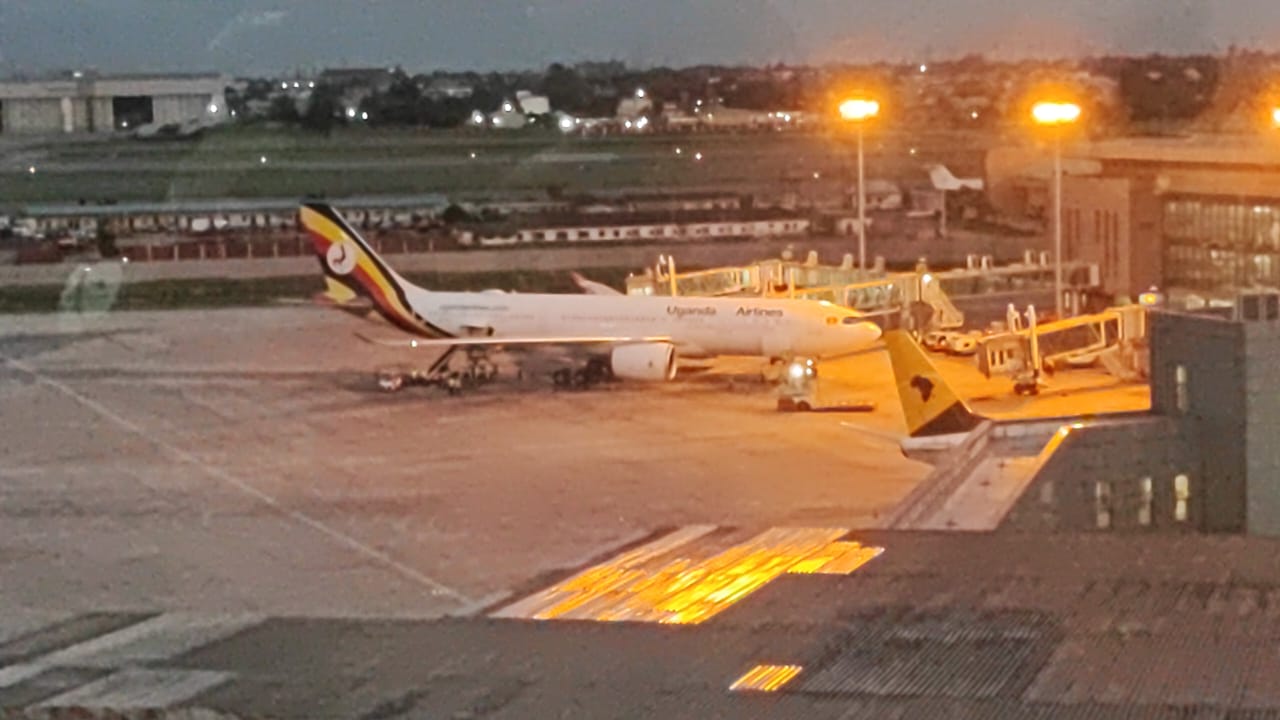 Africa leads global air travel growth as airlines post double-digit surge
 Uganda’s private sector ends 2025 on solid ground as demand fundamentals strengthen
Get business news delivered to you everyday
Latest News

Airbus wins contract for 340 New OneWeb satellites as global race for LEO dominance intensifies

Uganda coffee earnings hit record UGX 8.8 trillion as export volumes surge

COMESA issues consumer alert as Nestlé recalls infant formula over safety fears

Kenchic completes takeover of Uganda’s Yo Kuku after COMESA clears merger

EBO SACCO leans on Equity Bank to drive financial inclusion

Africa leads global air travel growth as airlines post double-digit surge

Africa leads the world in air cargo growth as global freight demand strengthens

For Ken Agutamba, continental honour affirms a new era of strategic communication leadership

Change of guard at Nile Breweries as new managing director takes over

Measles alert issued for East and West African travellers transiting Newark Airport