

Ugandan private sector reports sustained growth since February
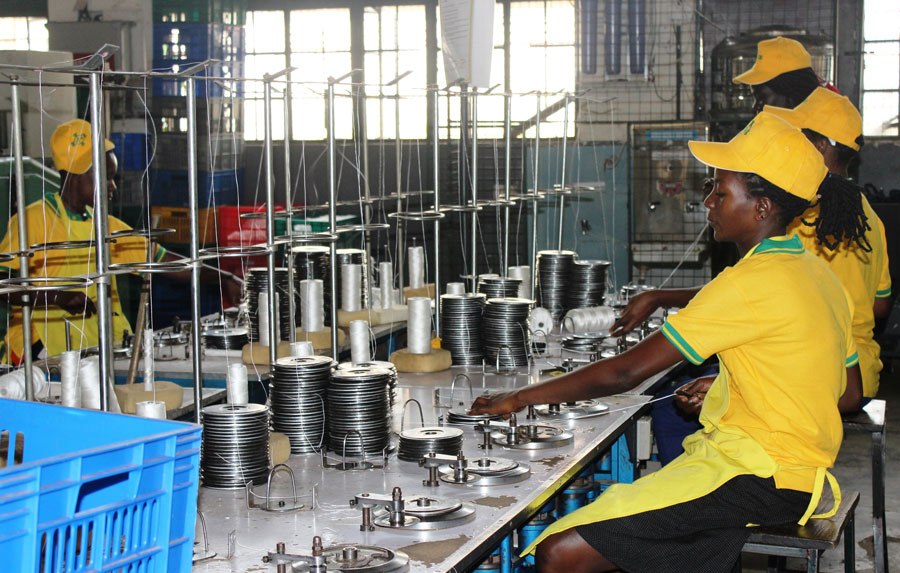 Ugandan companies remained confident of a rise in output as the year comes to a close. Expectations of greater activity were reflected in further growth of employment and input buying. The former reportedly stemmed from the hiring of both permanent and temporary staff.
Ugandan companies recorded a ninth successive monthly improvement in the health of the private sector during October despite the Stanbic Purchasing Managers’ Index (PMI) dipping slightly to 53.4 compared to the 54.0 reading recorded in September.
Any reading below 50.0 marks deterioration in business conditions, however during October survey respondents reported growth in output, new orders, employment and stocks of purchases.
Meanwhile, vendor delivery times shortened again. The timely arrival of inputs supported firms in processing backlogs of work, with greater employment and purchasing activity contributing to expanded capacity.
Christopher Legilisho, Economist at Stanbic Bank said, “October was a ninth successive month of buoyant private sector activity in Uganda. Output and new orders gained from robust consumer demand, referrals, and new clients. All sectors posted growth. Ugandan firms increased staffing levels due to increased output. Staffing costs also ticked up as some companies paid overtime and bonuses to motivate workers.”
Greater client demand and a sustained rise in new orders reportedly drove growth. Similarly, Ugandan companies recorded another upturn in new orders, thereby extending the period of expansion that began in February.
Anecdotal evidence suggested that the rise in new sales was due to customer referrals and new client wins. “Despite increased orders, firms were able to clear backlogs during October. Purchasing activity expanded, with inventories growing in October due to increased input buying and faster delivery times. Furthermore, Ugandan firms increased output prices due to sturdy demand, with overall input costs and purchase prices rising partly because of utilities and internet fees. This implies inflationary pressures. Still, firms remain upbeat on the outlook for customer demand and output over the next 12 months,” Legilisho said.
The Stanbic PMI is compiled by S&P Global from responses to questionnaires sent to purchasing managers in a panel of around 400 private sector companies. The sectors covered by the survey include agriculture, mining, manufacturing, construction, wholesale, retail & services.
The PMI is a weighted average of the following five indices: New Orders (30%), Output (25%), Employment (20%), Suppliers’ Delivery Times (15%) and Stocks of Purchases (10%). As has been the case for the last nine months, growth in both output and new orders was broad-based by monitored sector at the start of the fourth quarter.
On the price front, higher utility, wage and material costs spurred another rise in total input prices during October. Purchase and staff costs increased in unison for the twentieth month running. Although all five monitored sectors registered a rise in purchase prices, only services and wholesale & retail companies recorded higher wage bills.
Subsequently, firms sought to pass-through greater input prices to customers via a rise in output charges in October. At the sector level, increases in selling prices were seen in the agriculture, manufacturing and service segments.
Meanwhile, Ugandan companies remained confident of a rise in output over the coming year. Expectations of greater activity were reflected in further growth of employment and input buying. The former reportedly stemmed from the hiring of both permanent and temporary staff.
Back-to-back improvements in supplier performance supported firms’ efforts to work through outstanding business and build safety stocks amid anticipations of sustained growth in new orders. Backlogs of work fell for the eighth time in the last ten months.
Related Posts
 Equity Bank Uganda set to close 2025 on firmer footing as clean-up phase gives way to growth
 Stanbic targets wider access to affordable financing with ‘Oli In Charge’ campaign
 USA–Canada certification dispute could expose Uganda and regional airlines to regulatory risk
 Sumsub launches AI Agent Verification as Africa grapples with surge in AI-driven fraud
 KPMG flags widening execution gap as tech leaders bet on AI maturity, talent and partnerships
 Uganda targets 200,000 visitors for 2026 National Agricultural Show in Jinja
Get business news delivered to you everyday
Latest News

Equity Bank Uganda set to close 2025 on firmer footing as clean-up phase gives way to growth

Stanbic targets wider access to affordable financing with ‘Oli In Charge’ campaign

USA–Canada certification dispute could expose Uganda and regional airlines to regulatory risk

Sumsub launches AI Agent Verification as Africa grapples with surge in AI-driven fraud

The hidden cost of blocked airline funds

KPMG flags widening execution gap as tech leaders bet on AI maturity, talent and partnerships

Destination Uganda clinches “Best in Show – Africa” at New York Travel & Adventure Show

Uganda’s Kibirige edges closer to global golf stage after strong PGTI Q-School showing in India

Breathtaking Uganda unveils curated Easter getaway to Zanzibar

IATA, CFM renew agreement to ease engine maintenance bottlenecks as supply chain crisis deepens