

Uganda targets 200,000 visitors for 2026 National Agricultural Show in Jinja
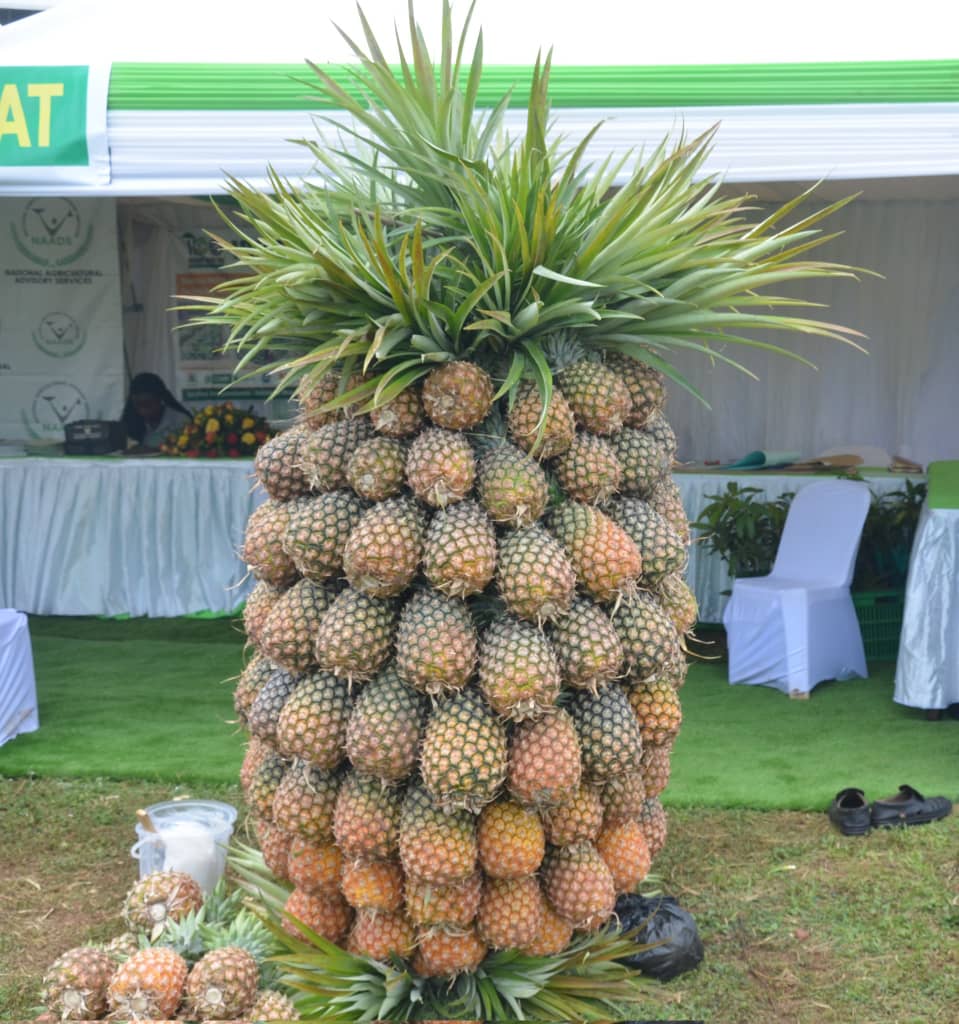
Uganda is preparing for the 32nd National Agricultural Show in Jinja, with organisers targeting 200,000 visitors and over 400 exhibitors as the country positions farm innovation and agro-industrialisation at the centre of its push toward middle-income status.
Uganda’s flagship platform for agricultural innovation and enterprise is set to return in 2026 with an expanded scope and renewed focus on transforming the sector into a driver of middle-income growth. The 32nd National Agricultural Show, organised by the Uganda National Farmers Federation (UNFFE) in partnership with the Ministry of Agriculture, Animal Industry and Fisheries (MAAIF), will take place from 26 June to 11 July 2026 at the National Agricultural Showgrounds in Jinja.
Building on more than three decades of convening farmers, agribusinesses, policymakers, researchers and investors, the 2026 edition is being positioned as a strategic intervention in Uganda’s economic transition agenda. Agriculture remains the backbone of the economy, employing a majority of the population and contributing significantly to exports and food security. Organisers say the Show will place particular emphasis on farm innovation, value addition and agro-industrialisation as critical levers for accelerating productivity and incomes.
The theme for the 32nd edition, “Agri-Leap to Middle Income: 10-Fold Strategy through Farm Innovation and Agro-Industrialisation,” reflects this ambition. According to UNFFE, the Show will highlight practical technologies and enterprise models that can move agriculture beyond subsistence into a competitive, market-oriented sector capable of supporting Uganda’s middle-income aspirations.
Unlike previous editions, the 2026 National Agricultural Show will be delivered in two distinct but complementary phases. The first phase, running from 26 June to 4 July, will focus on the broader agricultural value chain. It will bring together farmers, agribusiness operators, government agencies, development partners and private sector players for live crop and livestock demonstrations, technology showcases, policy dialogues and business forums. Daily thematic engagements will address priority areas such as mechanisation, climate-smart agriculture, agro-processing, agricultural finance and digital solutions, while extension clinics and advisory sessions are expected to provide hands-on learning for farmers.
The second phase, scheduled for 5 to 11 July, will host the 5th National Agricultural Education Show, targeting young people in and out of school. This segment will concentrate on agricultural education, skills development and career pathways, with structured school visits, mentorship sessions, youth-led innovation showcases and practical demonstrations. Organisers say the youth-focused phase is designed to reposition agriculture as a viable and attractive profession for the next generation, while encouraging entrepreneurship and innovation across the value chain.
UNFFE expects the 16-day event to attract more than 400 exhibitors and over 200,000 visitors, including regional and international participants. The Show is also being marketed as a national marketplace, enabling direct engagement between producers, input suppliers, service providers and buyers, while fostering investment partnerships and business linkages.
Private sector participation is being actively encouraged, with organisers offering reduced exhibition fees to widen access and increase the diversity of innovations on display. Exhibition spaces range from small-scale stands suitable for startups to larger plots for established agribusinesses and institutions. Permanent plot holders will continue to pay annual ground rent, while entry fees have been set at Shs5,000 for adults and children to maintain affordability for the general public.
Beyond exhibitions, the 2026 Show presents opportunities for sponsors and partners to co-organise side events, including thematic conferences, product launches, investor forums and targeted training sessions for farmers, youth and women agripreneurs. UNFFE says this approach allows partners to align their branding and programming with national agricultural priorities while engaging specific audiences over an extended period.
With many institutions already undertaking budget planning for 2026, organisers have urged stakeholders to factor participation and sponsorship into their plans early. According to UNFFE, early engagement will enable better coordination, resource allocation and alignment with Uganda’s agricultural transformation goals.
Related Posts
 Equity Bank Uganda set to close 2025 on firmer footing as clean-up phase gives way to growth
 Stanbic targets wider access to affordable financing with ‘Oli In Charge’ campaign
 USA–Canada certification dispute could expose Uganda and regional airlines to regulatory risk
 Sumsub launches AI Agent Verification as Africa grapples with surge in AI-driven fraud
 KPMG flags widening execution gap as tech leaders bet on AI maturity, talent and partnerships
 IATA, CFM renew agreement to ease engine maintenance bottlenecks as supply chain crisis deepens
Get business news delivered to you everyday
Latest News

Equity Bank Uganda set to close 2025 on firmer footing as clean-up phase gives way to growth

Stanbic targets wider access to affordable financing with ‘Oli In Charge’ campaign

USA–Canada certification dispute could expose Uganda and regional airlines to regulatory risk

Sumsub launches AI Agent Verification as Africa grapples with surge in AI-driven fraud

The hidden cost of blocked airline funds

KPMG flags widening execution gap as tech leaders bet on AI maturity, talent and partnerships

Uganda targets 200,000 visitors for 2026 National Agricultural Show in Jinja

Destination Uganda clinches “Best in Show – Africa” at New York Travel & Adventure Show

Uganda’s Kibirige edges closer to global golf stage after strong PGTI Q-School showing in India

Breathtaking Uganda unveils curated Easter getaway to Zanzibar