

Uganda Breweries parent Diageo slapped with USD 0.75 million fine over market restrictions in Uganda, Zambia
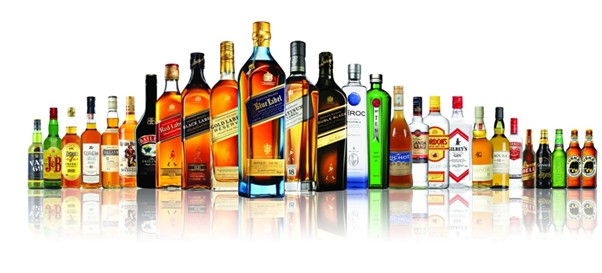
Uganda Breweries Limited’s parent company, Diageo Plc, has agreed to pay USD 750,000 (approximately UGX 290 million) to the COMESA Competition Commission (CCC) for breaching regional market rules — with Uganda among the countries cited for restrictive distribution practices.
The fine concludes a four-year investigation by the CCC into alleged anti-competitive conduct by the global beverage giant in several Common Market for Eastern and Southern Africa (COMESA) member states, including Uganda, Zambia, Seychelles, and Eswatini.
At the centre of the probe were Diageo’s distribution agreements, which the regional watchdog said contained clauses that limited market access and cross-border trade within the bloc. In Uganda, investigators found instances of minimum resale price maintenance and single-branding obligations, which effectively tied local distributors to Diageo products and restricted competitors’ access to retail channels.
The Commission noted that such practices violated Article 16(1) of the COMESA Competition Regulations, which prohibits agreements that “prevent, restrict, or distort competition” within the regional market.
“Restrictions on passive sales are a very serious offence and would always be considered a breach of the Regulations because they are an affront to the overriding Treaty objective of the single market integration,” the CCC said in its statement.
To resolve the case without admitting liability, Diageo entered into a commitment agreement in May 2025, promising to remove all restrictive clauses within 180 days. The company also undertook to allow passive sales across COMESA countries and conduct annual competition compliance training for its management and staff for the next three years.
Under the settlement terms, Diageo will pay USD 300,000 for territorial and price-related infringements, USD 150,000 for single-branding restrictions, and the remainder for other violations. The Commission will monitor compliance for five years.
For Uganda, the case underscores the growing role of regional regulators in protecting market access and fair competition. It also highlights how global parent companies’ policies can have local market consequences, particularly in sectors dominated by multinational brands.
Industry observers say the case could serve as a precedent for greater scrutiny of distribution contracts affecting local suppliers and retailers, as Uganda continues aligning its trade practices with COMESA’s single-market objectives.
256 BN is making efforts to reach out to UBL for comment and will update this story accordingly
Related Posts
 Equity Bank Uganda set to close 2025 on firmer footing as clean-up phase gives way to growth
 Stanbic targets wider access to affordable financing with ‘Oli In Charge’ campaign
 USA–Canada certification dispute could expose Uganda and regional airlines to regulatory risk
 Sumsub launches AI Agent Verification as Africa grapples with surge in AI-driven fraud
 KPMG flags widening execution gap as tech leaders bet on AI maturity, talent and partnerships
 Uganda targets 200,000 visitors for 2026 National Agricultural Show in Jinja
Get business news delivered to you everyday
Latest News

Equity Bank Uganda set to close 2025 on firmer footing as clean-up phase gives way to growth

Stanbic targets wider access to affordable financing with ‘Oli In Charge’ campaign

USA–Canada certification dispute could expose Uganda and regional airlines to regulatory risk

Sumsub launches AI Agent Verification as Africa grapples with surge in AI-driven fraud

The hidden cost of blocked airline funds

KPMG flags widening execution gap as tech leaders bet on AI maturity, talent and partnerships

Destination Uganda clinches “Best in Show – Africa” at New York Travel & Adventure Show

Uganda’s Kibirige edges closer to global golf stage after strong PGTI Q-School showing in India

Breathtaking Uganda unveils curated Easter getaway to Zanzibar

IATA, CFM renew agreement to ease engine maintenance bottlenecks as supply chain crisis deepens