

Kiira Motors’ bold e-Mobility leap driving Uganda’s technological and economic transformation
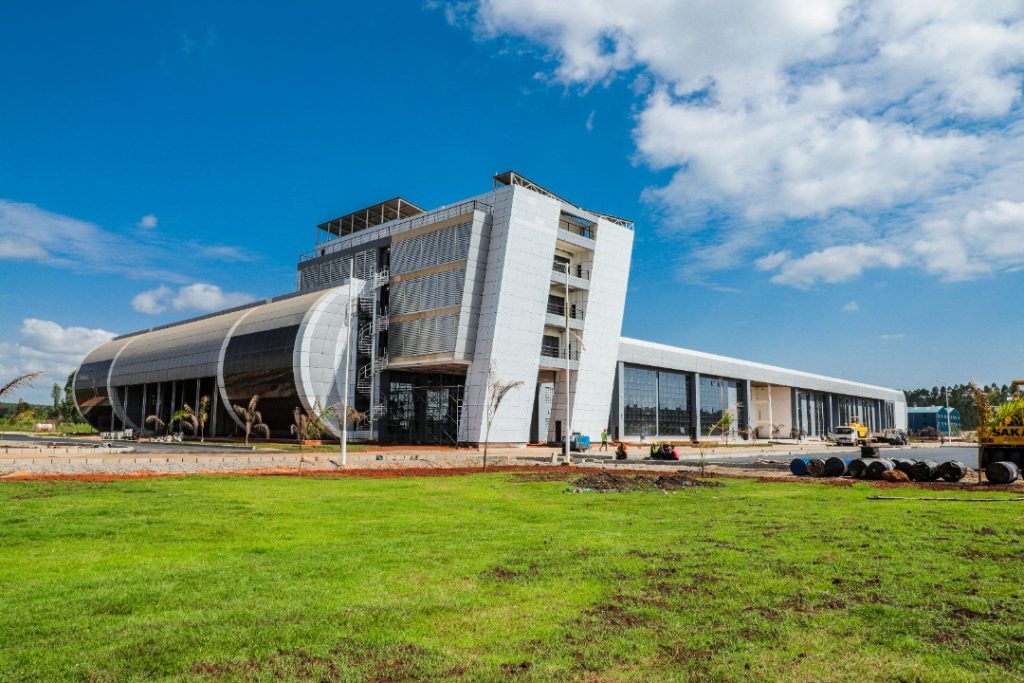
In a country where public transport is at the heart of the daily commute and urban air pollution is becoming a serious concern, Kiira Motors Corporation (KMC), is emerging as a bold symbol of innovation and sustainability. With a forward-looking electric vehicle (EV) portfolio and a growing manufacturing presence, KMC is not only revolutionizing Uganda’s transportation sector but also positioning the country as a continental leader in e-mobility.
One of KMC’s landmark achievements is the start of series production at the Kiira Vehicle Plant (KVP) in Jinja. This milestone represents the culmination of over a decade of effort to establish local automotive manufacturing in Uganda. The facility is more than just a production hub—it’s a catalyst for industrialization, skills development, and economic transformation. By investing in domestic production capacity, KMC hopes to reduce Uganda’s dependence on imported vehicles while creating jobs and stimulating local supply chains.
At the heart of KMC’s electric mobility revolution is the Kayoola EVS, a fully electric bus designed to meet the demands of both urban and intercity transport. Available in multiple configurations—from 23-passenger minibuses to 90-passenger full-length city buses—the Kayoola EVS offers operational ranges of 100 to 300 kilometers. With its zero tailpipe emissions, quiet operation, and significantly lower operating costs compared to diesel buses, the EVS represents a cleaner and more efficient alternative for mass transit in Uganda’s growing cities.
For longer journeys, KMC has developed the Kayoola Electric Coach, which is tailored for intercity and potential cross-border travel. With an extended range of 290 to 500 kilometers and capacity options ranging from 43 to 66 passengers, this premium coach aims to offer a sustainable alternative to fossil fuel-powered long-haul transport. It signals KMC’s commitment to making electric mobility viable across multiple travel segments, not just short urban routes.
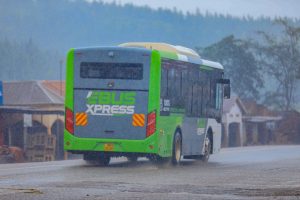 But the company’s ambitions extend beyond vehicle production. The E-Bus Xpress initiative, which is currently being piloted in the city of Jinja, is KMC’s first step toward integrating its electric buses into a comprehensive, cashless public transportation service. By demonstrating the feasibility of an electrified mass transit system, this project serves both practical and strategic purposes: reducing urban emissions and providing critical data on vehicle performance, passenger habits, and operational efficiency in a real-world environment.
Looking to the future, KMC is also expanding its vision into the passenger vehicle market with the conceptualization of an electric SUV. Though still in the early stages, this project reflects the company’s drive to diversify its EV offerings and accelerate private sector adoption of clean transport. As more Ugandans seek environmentally friendly and technologically advanced mobility options, this initiative could prove a crucial step toward mainstreaming EVs in the country.
Perhaps the most transformative element of KMC’s strategy is its intent to locally manufacture critical EV components, particularly high-capacity batteries. By developing this capability, Uganda stands to benefit from improved supply chain resilience, reduced import dependency, and the nurturing of a home-grown EV ecosystem. This kind of vertical integration is essential for long-term sustainability and positions Uganda as a potential hub for electric vehicle innovation in the region.
KMC’s work dovetails seamlessly with Uganda’s National e-Mobility Strategy, which focuses on reducing fossil fuel dependency, cutting greenhouse gas emissions, creating skilled jobs, and promoting technological advancement. Every step KMC takes—whether launching new EV models, piloting clean transit systems, or investing in local manufacturing—brings the country closer to realizing this vision.

KMC CEO Paul Isaac Musaasizi
Says KMC Chief Executive Paul Isaac Musasizi: “The Kiira EV miracle, brought to life by the dedication surrounding the vehicle plant, underscores the extraordinary outcomes that arise when a community rallies around a common goal with determined purpose and an unshakeable belief in their collective strength – proving that with unity and faith, seemingly impossible feats can be conquered.”
In a continent often perceived as trailing in high-tech innovation, Uganda is flipping the script. Through Kiira Motors, it is not just catching up but leading from the front. As the company scales up, Uganda’s skies may soon be quieter, cleaner—and electric.
Related Posts
 Government reaffirms commitment to capitalise UDB as Bank deepens development finance role
 Uganda’s DEI Biopharma gene therapy breakthrough could transform sickle cell treatment
 Equity Bank Uganda set to close 2025 on firmer footing as clean-up phase gives way to growth
 Stanbic targets wider access to affordable financing with ‘Oli In Charge’ campaign
 USA–Canada certification dispute could expose Uganda and regional airlines to regulatory risk
 Sumsub launches AI Agent Verification as Africa grapples with surge in AI-driven fraud
Get business news delivered to you everyday
Latest News

Government reaffirms commitment to capitalise UDB as Bank deepens development finance role

Uganda’s DEI Biopharma gene therapy breakthrough could transform sickle cell treatment

Equity Bank Uganda set to close 2025 on firmer footing as clean-up phase gives way to growth

Stanbic targets wider access to affordable financing with ‘Oli In Charge’ campaign

USA–Canada certification dispute could expose Uganda and regional airlines to regulatory risk

The hidden cost of blocked airline funds

KPMG flags widening execution gap as tech leaders bet on AI maturity, talent and partnerships

Uganda targets 200,000 visitors for 2026 National Agricultural Show in Jinja

Destination Uganda clinches “Best in Show – Africa” at New York Travel & Adventure Show

Uganda’s Kibirige edges closer to global golf stage after strong PGTI Q-School showing in India