

IATA’s SAF Matchmaker tool opens door for Uganda Airlines to meet European green fuel mandates
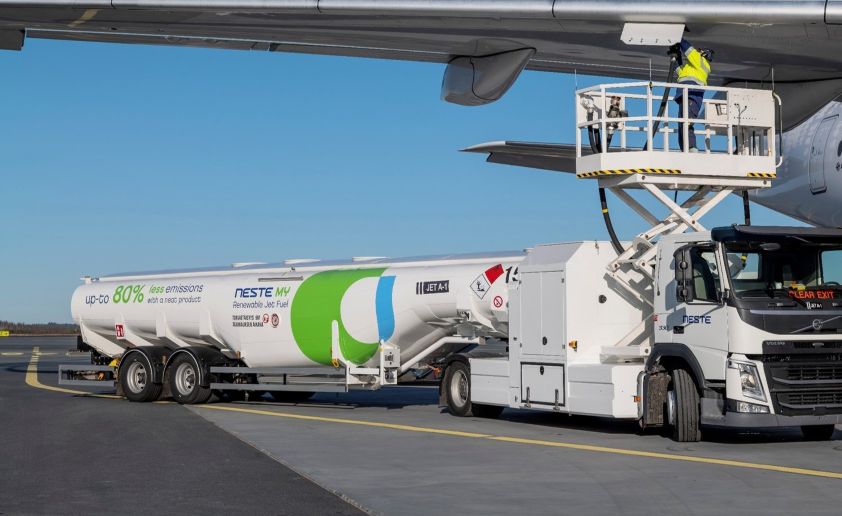
Uganda and East Africa’s aviation industries may gain a critical foothold in the global green transition following the launch of IATA’s SAF Matchmaker — a new platform designed to connect airlines directly with Sustainable Aviation Fuel (SAF) producers. For Uganda and the broader East African aviation sector, the tool could offer a breakthrough in accessing SAF, especially as global regulations begin mandating its use for international flights.
Uganda Airlines, currently expanding its long-haul operations to Europe and Asia, faces growing exposure to regulatory hurdles requiring mandatory use of SAF. The SAF Matchmaker offers the airline access to a pool of vetted producers — something previously available mainly to larger global carriers.
The platform, hosted on IATA’s Aviation Energy Hub, lets airlines post SAF demand and receive supply offers directly from certified producers. Information on feedstock origin, emissions reduction, location of production, and compliance with key frameworks such as CORSIA (the Carbon Offsetting and Reduction Scheme for International Aviation) and the EU Renewable Energy Directive (EU RED) is transparently presented to help guide purchasing.
“To reach net zero carbon emissions by 2050, we need an accessible, transparent, liquid, and efficient SAF market. The SAF Matchmaker is another example of the work that IATA is putting in place to create a fully functioning market for SAF. The SAF Matchmaker platform will accelerate the uptake of SAF by reducing the costs and complexity that airlines face when searching for SAF suppliers,” said Marie Owens Thomsen, IATA’s Senior Vice President Sustainability and Chief Economist.
While global SAF use remains dominated by North America and Europe, the platform creates a rare opportunity for emerging carriers like Uganda Airlines to engage in the SAF market without costly intermediaries or exclusivity arrangements.
“This platform lowers the barriers to entry,” said Shakila Rahim Lamar, head of Corporate Affairs at Uganda Airlines. “It gives Uganda Airlines and others in the region a way to begin sourcing SAF in line with international obligations, especially as markets like the EU introduce stricter climate-linked regulations for outbound flights.”
The opportunity is also ripe for Ugandan and East African biofuel innovators. The region holds latent potential to develop SAF supply chains using feedstock crops grown on marginal lands and forestry waste. However, one of the main SAF feedstocks in Western countries—used cooking oil—remains largely unviable in East Africa due to the relatively small size of the formal hospitality sector and widespread household practices that involve reusing cooking oil extensively, leaving little extractable value.
With the right investment in refining infrastructure and certification processes, local producers could use the Matchmaker to reach buyers globally — positioning Uganda not only as a consumer, but also a supplier of green aviation fuel.
Neighboring Kenya and Ethiopia are also pushing toward SAF integration. Kenya Airways, a SkyTeam member and regional aviation leader, has conducted SAF trial flights and shown interest in international partnerships. Ethiopian Airlines, already aligned with several international compliance protocols, could use the platform to bolster its credentials as Africa’s greenest major carrier.
Still, challenges remain. SAF can cost 2–4 times more than conventional jet fuel, making it a tough sell for airlines operating on lean budgets. African carriers — operating on slim margins of less than a dollar per passenger carried— will need policy incentives, international financing, and clear national frameworks to sustainably integrate SAF into their fuel mix. Moreover, the continent lacks certified SAF production facilities, meaning initial uptake would likely rely on imports unless domestic production accelerates.
However, the Ministry of Works and Transport and Uganda Civil Aviation Authority have both signaled interest in aligning the country’s aviation sector with the AU’s 2063 climate goals and the global net zero by 2050 trajectory.
For Uganda, the next step may well be policy clarity: developing a roadmap that supports both import and eventual domestic production of SAF.
Related Posts
 Government reaffirms commitment to capitalise UDB as Bank deepens development finance role
 Uganda’s DEI Biopharma gene therapy breakthrough could transform sickle cell treatment
 Equity Bank Uganda set to close 2025 on firmer footing as clean-up phase gives way to growth
 USA–Canada certification dispute could expose Uganda and regional airlines to regulatory risk
 KPMG flags widening execution gap as tech leaders bet on AI maturity, talent and partnerships
 Destination Uganda clinches “Best in Show – Africa” at New York Travel & Adventure Show
Get business news delivered to you everyday
Latest News

Government reaffirms commitment to capitalise UDB as Bank deepens development finance role

Uganda’s DEI Biopharma gene therapy breakthrough could transform sickle cell treatment

Equity Bank Uganda set to close 2025 on firmer footing as clean-up phase gives way to growth

Stanbic targets wider access to affordable financing with ‘Oli In Charge’ campaign

USA–Canada certification dispute could expose Uganda and regional airlines to regulatory risk

Sumsub launches AI Agent Verification as Africa grapples with surge in AI-driven fraud

The hidden cost of blocked airline funds

KPMG flags widening execution gap as tech leaders bet on AI maturity, talent and partnerships

Uganda targets 200,000 visitors for 2026 National Agricultural Show in Jinja

Uganda’s Kibirige edges closer to global golf stage after strong PGTI Q-School showing in India